In June 2026, the skies over southern Bulgaria became the stage for one of Europe's most ambitious multinational air mobility exercises. Hosted at Krumovo Air Base near Plovdiv, under the Multinational Helicopter Training Centre (MHTC), Thracian Blade 2026 was far more than a helicopter drill. It offered a look into how the Bulgarian Air Force is undergoing its most profound transformation since the end of the Cold War.

The BLADE exercises
The BLADE exercise series originated within the European Defence Agency's (EDA) Helicopter Training Programme (HTP), created in 2009 in response to lessons learned from multinational operations with coalition deployments. These operations highlighted a recurring challenge: although European armed forces often operated side by side, helicopter crews had been trained almost exclusively with their national procedures. Differences in planning methods, communication and tactical employment frequently complicated joint operations and reduced the effectiveness of these operations.
To fix these problems, the HTP was established to improve interoperability between European helicopter units. Its mission extended beyond organising multinational flying exercises. It also developed common training standards, harmonised tactics, techniques and procedures. The goal was to encourage the exchange of operational experience between participating nations. The flagship events of the programme became the BLADE exercises, where aircrews, mission planners and support personnel trained together within realistic operational conditions.
In 2024, responsibility for the programme was transferred from the European Defence Agency to the newly established Multinational Helicopter Training Centre (MHTC), headquartered in Portugal. The overall organisation changed, but the philosophy remained the same: crews from different nations should plan together, fly together and learn together, applying common procedures instead of relying solely on national practices. The creation of the MHTC also marked an expansion of the programme, providing a permanent multinational structure dedicated to helicopter training and the continuous development of common doctrine and operational standards.
Today, the MHTC brings together fourteen member nations, which jointly fund, govern and shape its activities. Through a combination of academic courses, instructor exchanges, planning workshops and large-scale multinational exercises, the Centre aims to ensure that European helicopter forces can integrate rapidly into coalition operations, regardless of the aircraft type or national origin of the crews.
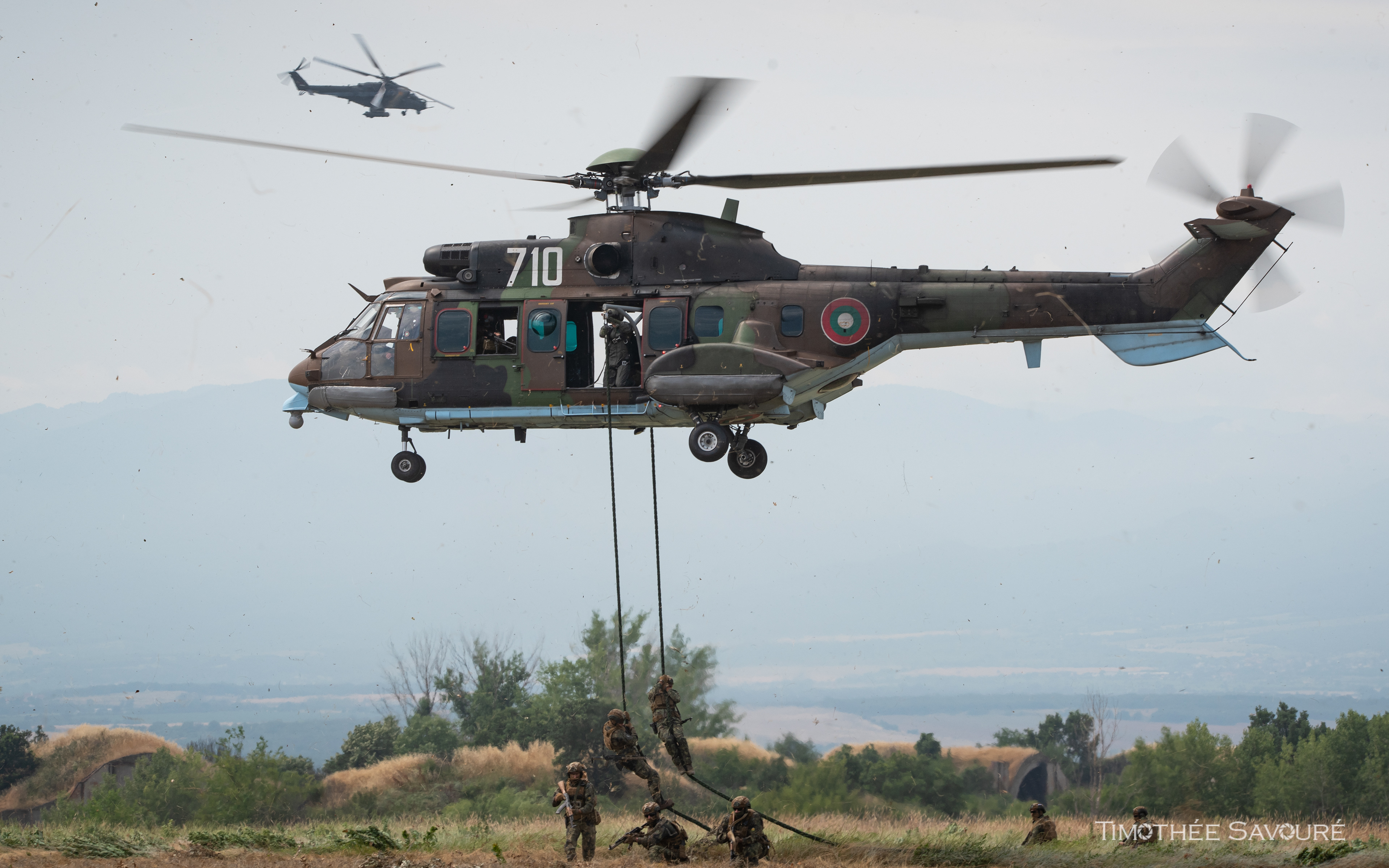
Bulgarian Air Force AS532 Cougar dropping special forces in Cheshnegirovo during Thracian Blade 2026
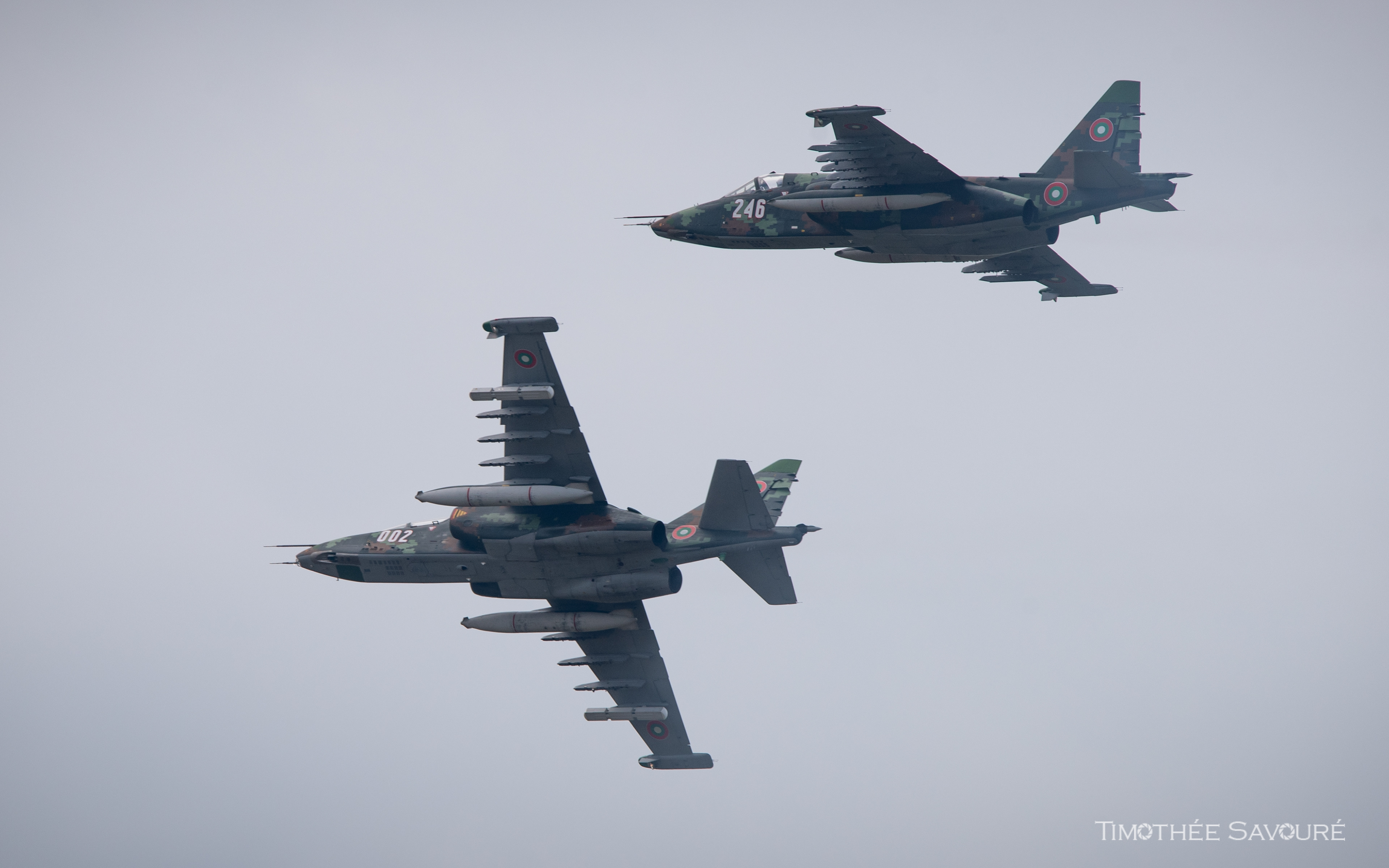
This pair of Bulgarian Sukhoi Su-25K performed simulated attack on ennemy air defense in Cheshnegirovo
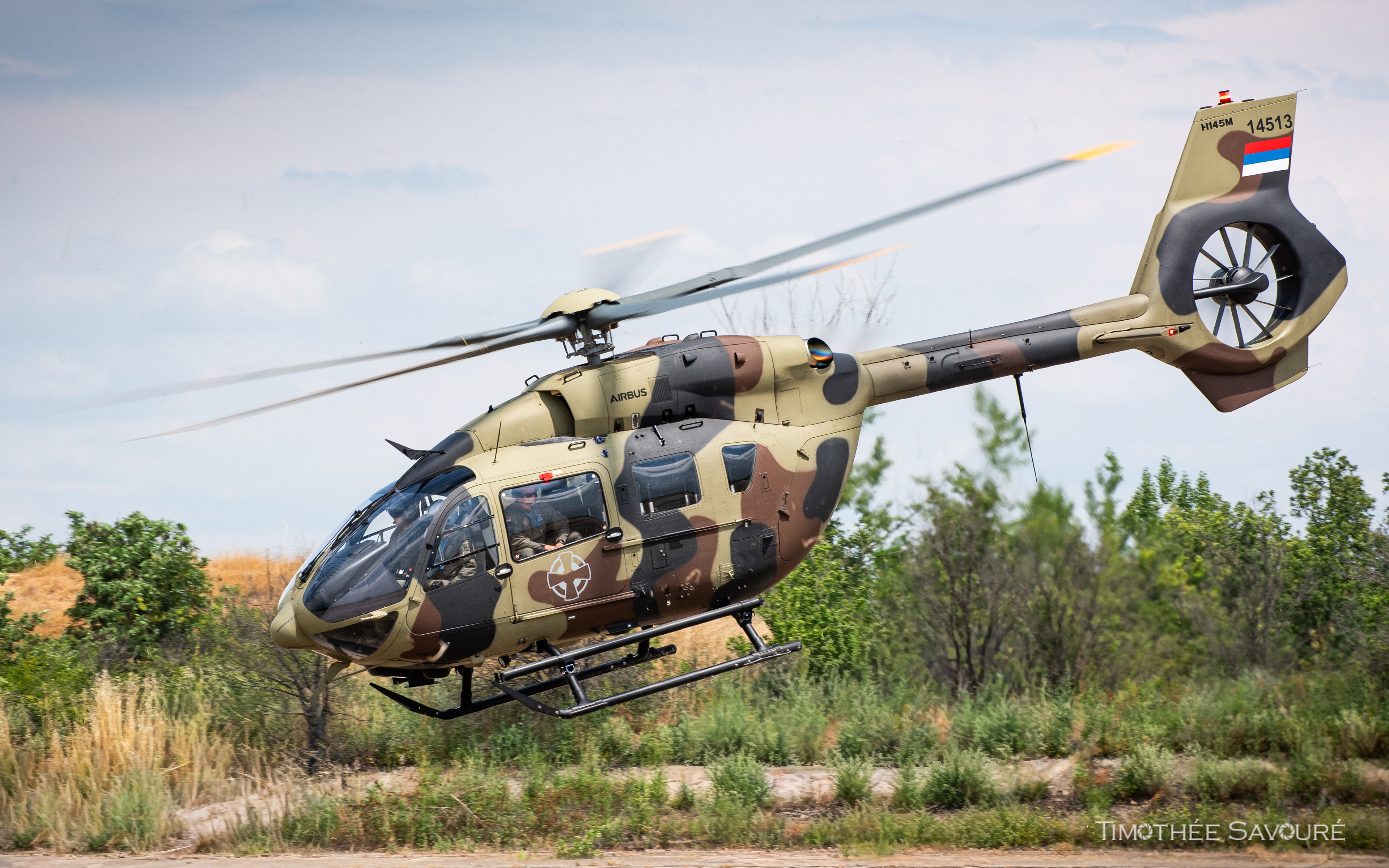
Serbian Air Force H145M leaving Cheshnegirovo during Thracian Blade 2026
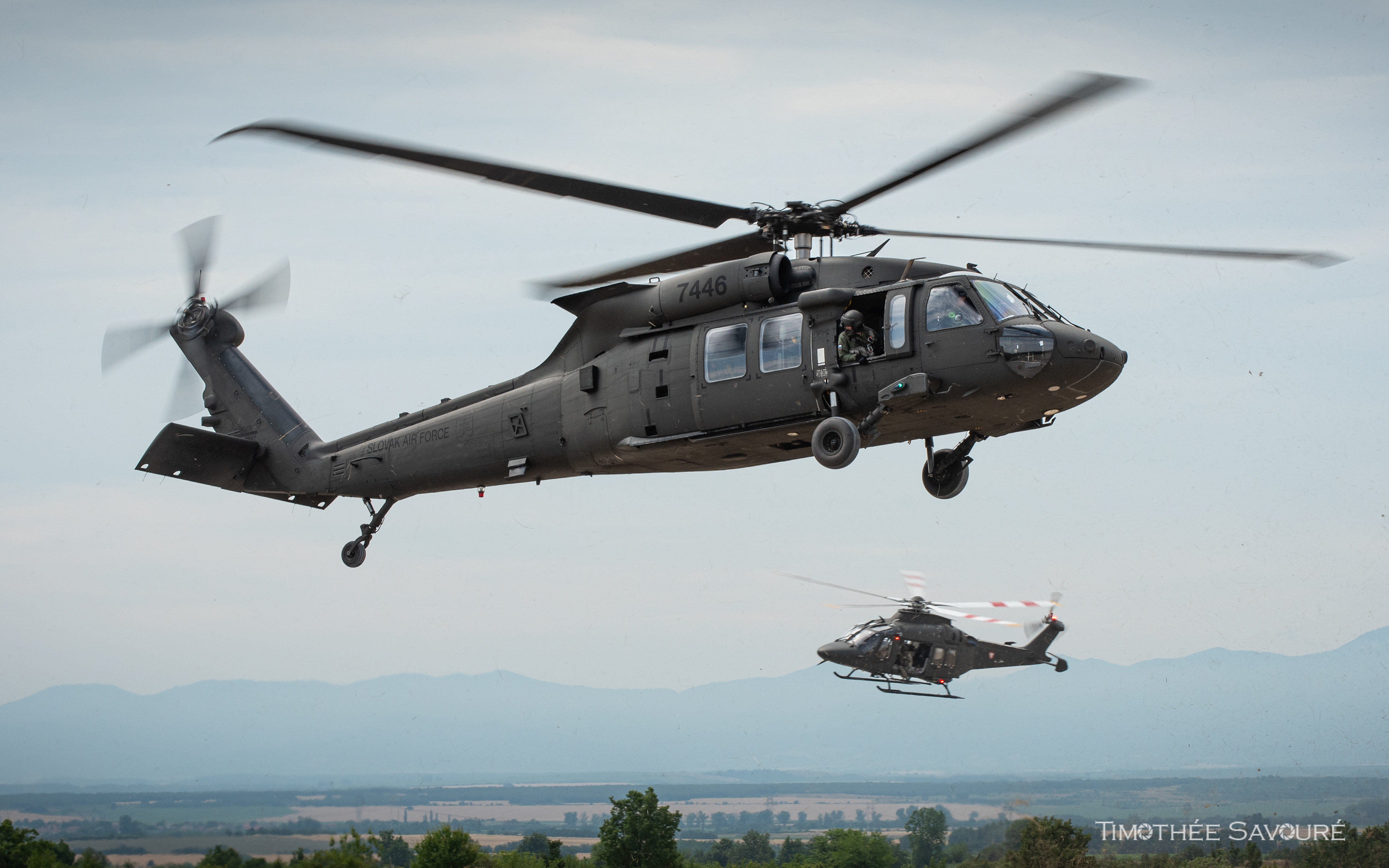
Slovak Air Force UH-60M Black Hawk and Austrian Air Force AW169
Thracian Blade 2026
During Thracian Blade held from June 4 to June 19, 2026, eight participating nations and several observer countries deployed helicopters, transport aircraft, fighter aircraft and planning specialists. Unlike traditional exercises, detachments were deliberately mixed into multinational mission packages. Transport helicopters escorted by armed reconnaissance platforms inserted special forces, while tactical airlifters, electronic warfare assets and fixed-wing aircraft contributed to a realistic Combined Air Operation (COMAO). The following nations were deployed to Krumovo AFB, in the suburbs of Plovdiv, Bulgaria:
- Austria: OH-58D Kiowa and AW169 helicopters
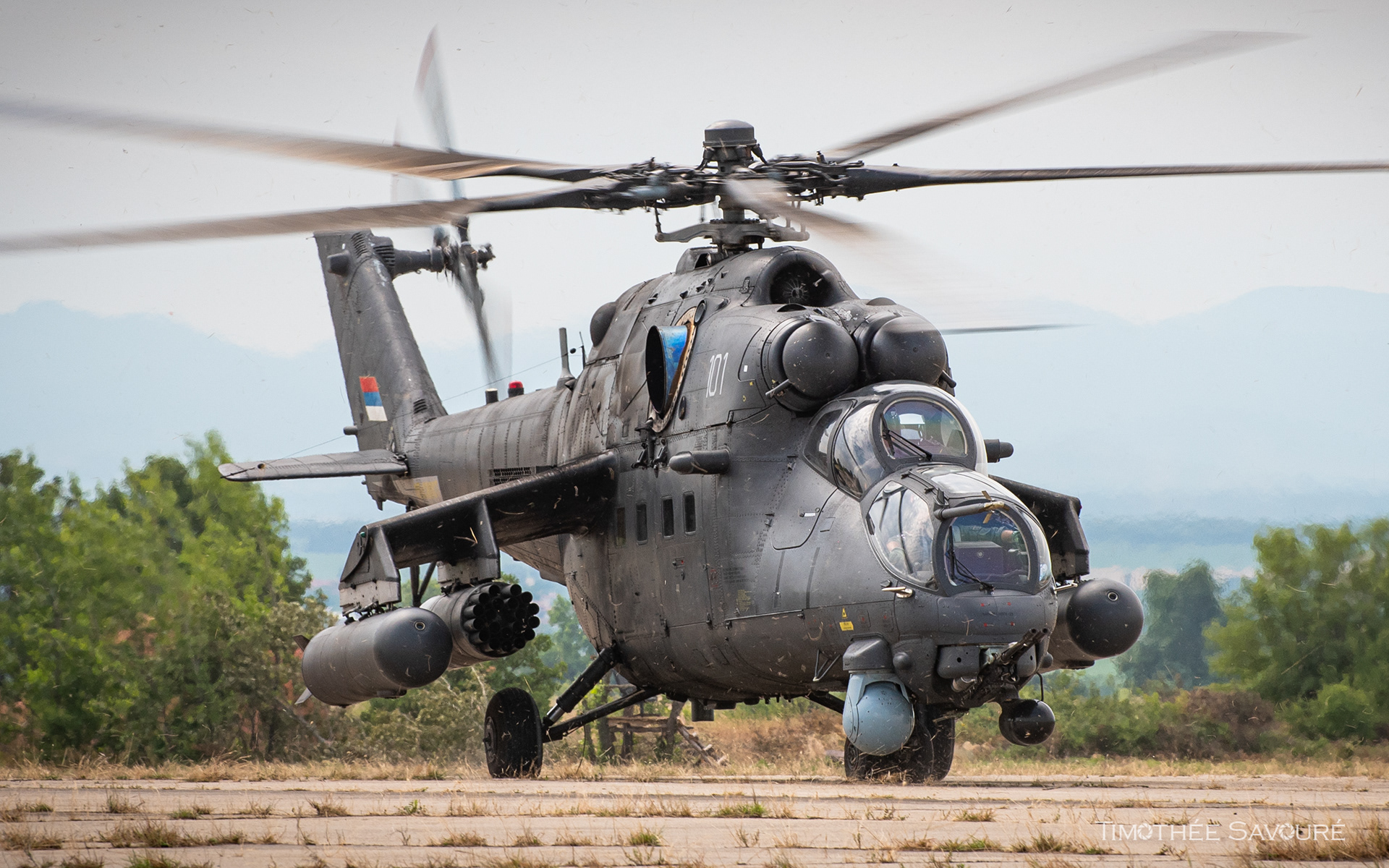
- Serbia: one Airbus H145M and a very welcome participation from a Mi-35 Hind
- Slovakia: a newly-received UH-60M Black Hawk
- Switzerland: AS532 Cougar
Additionally, Hungary deployed a pair of JAS-39 Gripen fighters to Graf Ignatievo AFB for a day of Basic Fighter Maneuvers (BFM) against Bulgarian Air Force F-16s, and supported by a C-390 Millenium aircraft.
Bulgaria was of course the main participant in the exercise with a very diverse array of aircraft and helicopters. The participation included Cougar and Mi-17 Hip helicopters, a C-27J Spartan for support, Su-25 Frogfoot ground attack jets, L-39ZA Albatros, F-16C/D and MiG-29 fighters.
Finally, Slovenia contributed to the electronic warfare component of the exercise, while Belgium deployed mission planning specialists and FalconView systems to support operational preparation cells.
For NATO, Thracian Blade 2026 demonstrated that interoperability is achieved through shared procedures rather than common equipment. For Bulgaria, it confirmed the country's growing strategic importance on the Black Sea region and its ability to host complex multinational operations. The coexistence of Soviet-era and Western platforms made the exercise especially significant, illustrating both continuity and renewal.
The Bulgarian Air Force held a media demonstration during exercise Thracian Blade 2026. The show was organized near Krumovo, in Cheshnegirovo, a decomissionned air base that used to hold a MiG-23 squadron. Nowadays, the base is used for special forces training. The media demonstration reflected the realities of modern warfare: F-16s first established combat air patrols while MiG-29s simulated hostile aircraft. Su-25 attack aircraft then neutralised simulated air-defence sites, allowing helicopters to insert special forces after tactical reconnaissance and logistic air drops by C-27J Spartan transports. The scenario concluded with casualty evacuation under armed escort, highlighting the integration of air superiority, strike, mobility and medical support. This demonstration allowed medias to get insights on the exercise and see the participants in action.
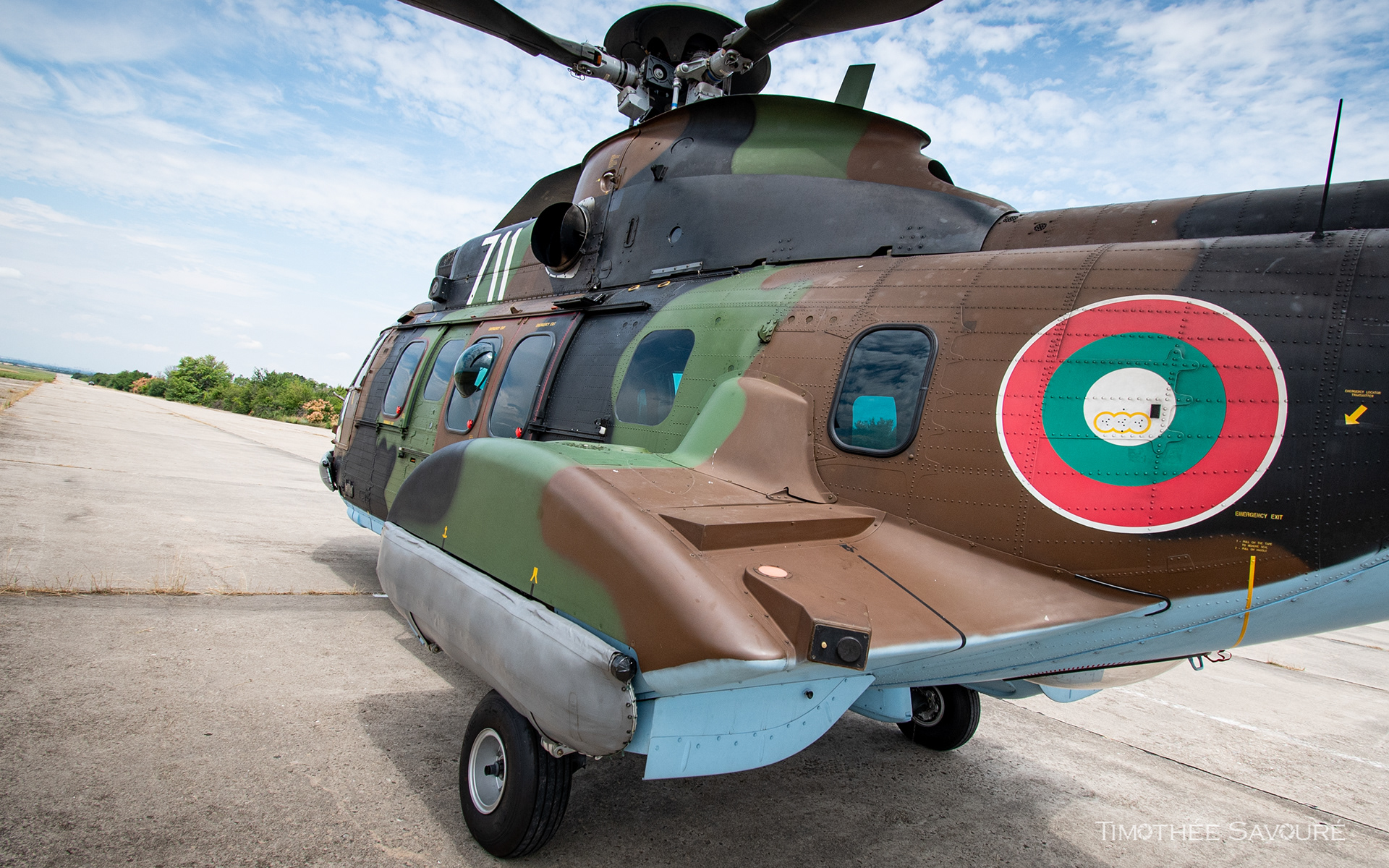
Up close with a Bulgarian Air Force AS532 Cougar in Cheshnegirovo
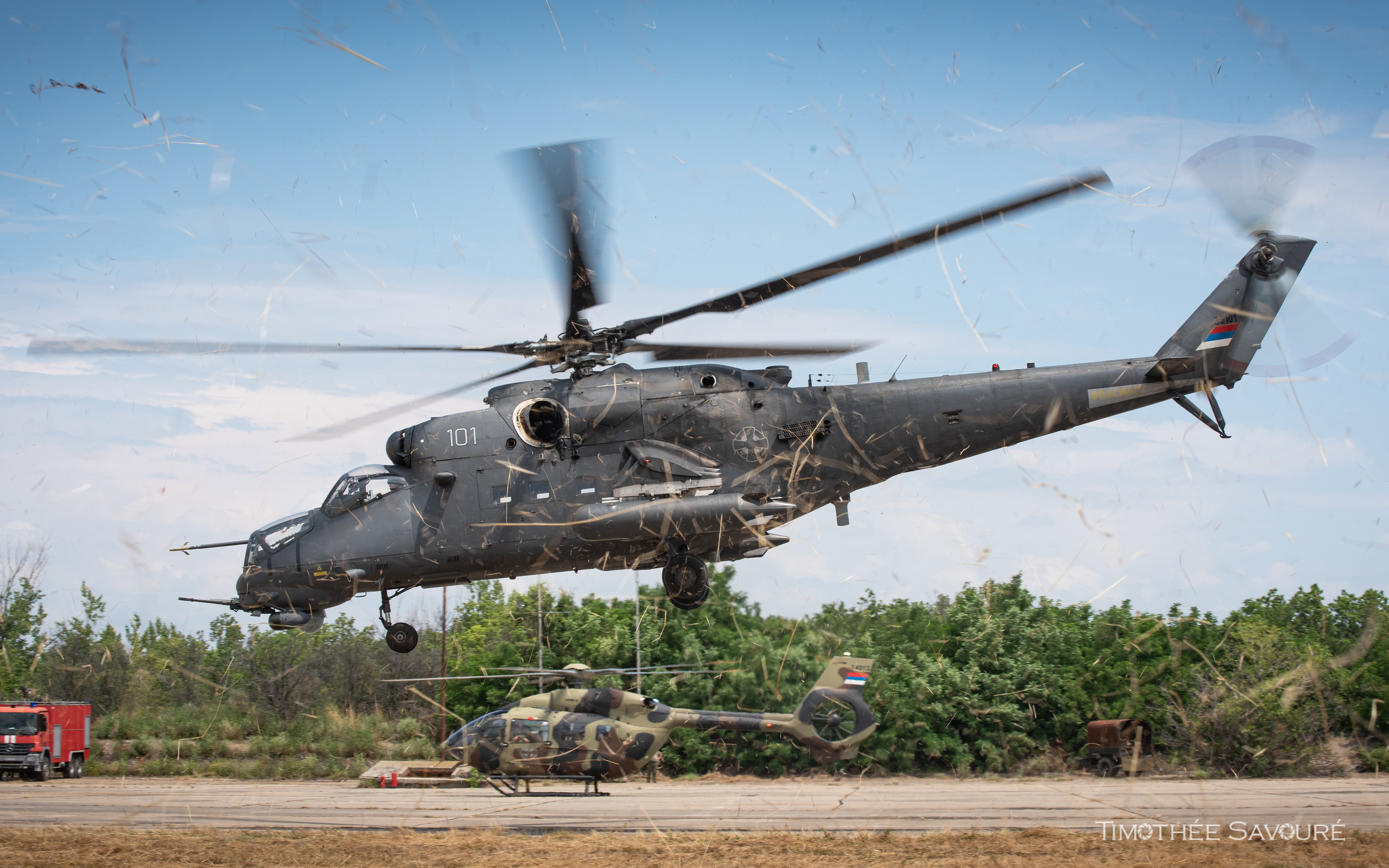
The Serbian Air Force participated to Thracian Blade 2026 with a Mi-35 Hind
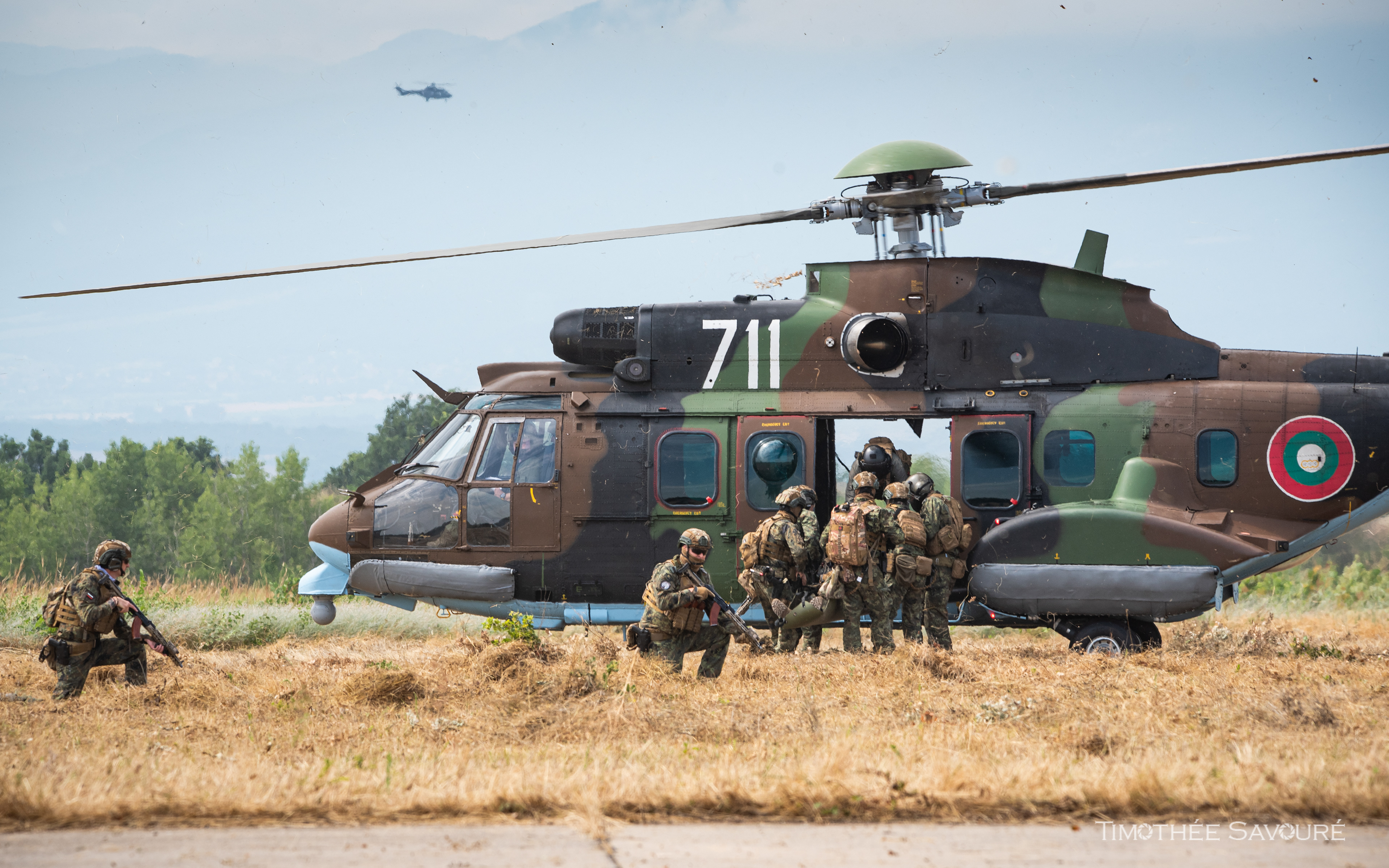
Medical Evacuation of wounded troops during Thracian Blade 2026 with a Bulgarian Cougar
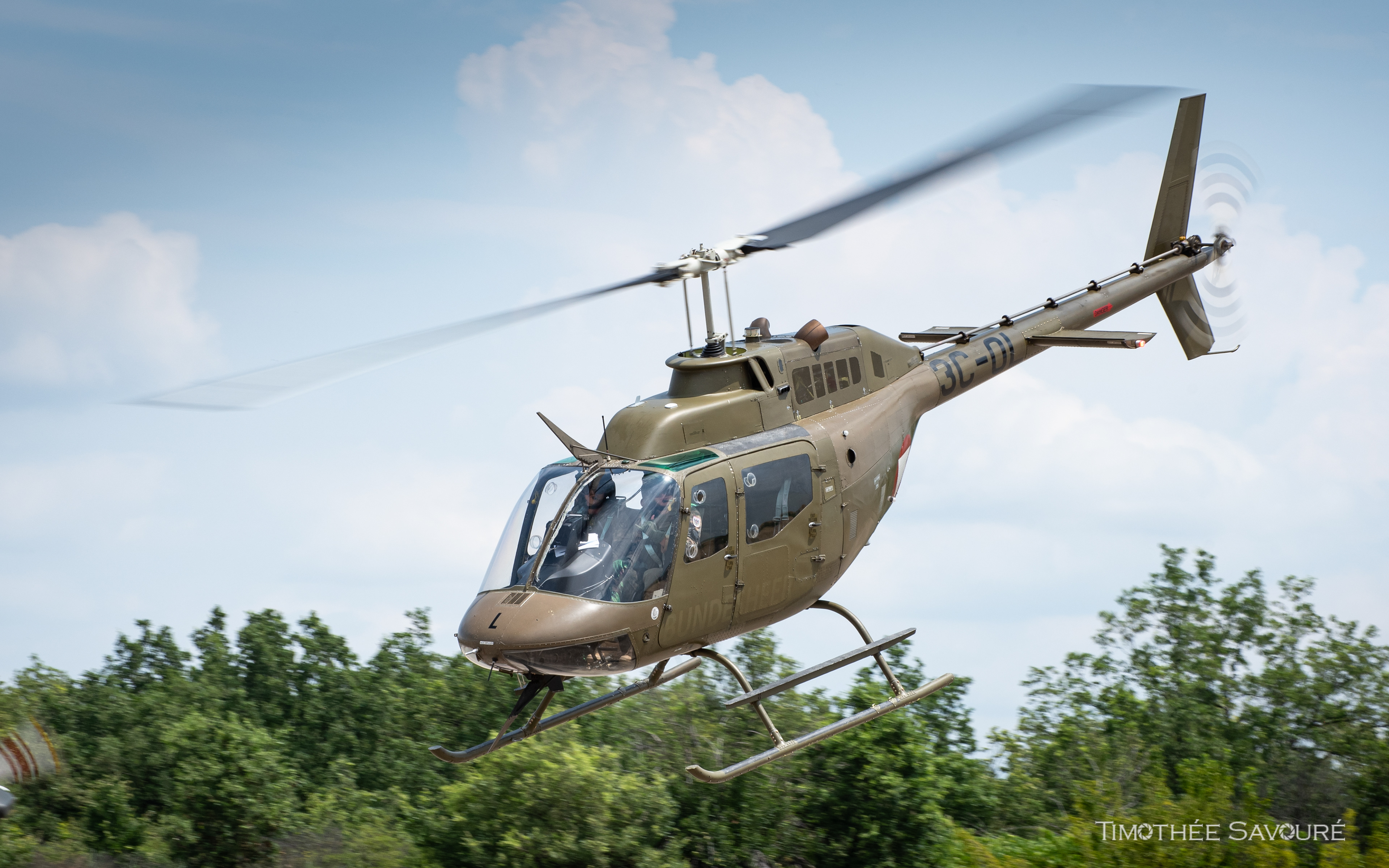
Austrian Air Force OH-58D Kiowa leaving Cheshnegirovo
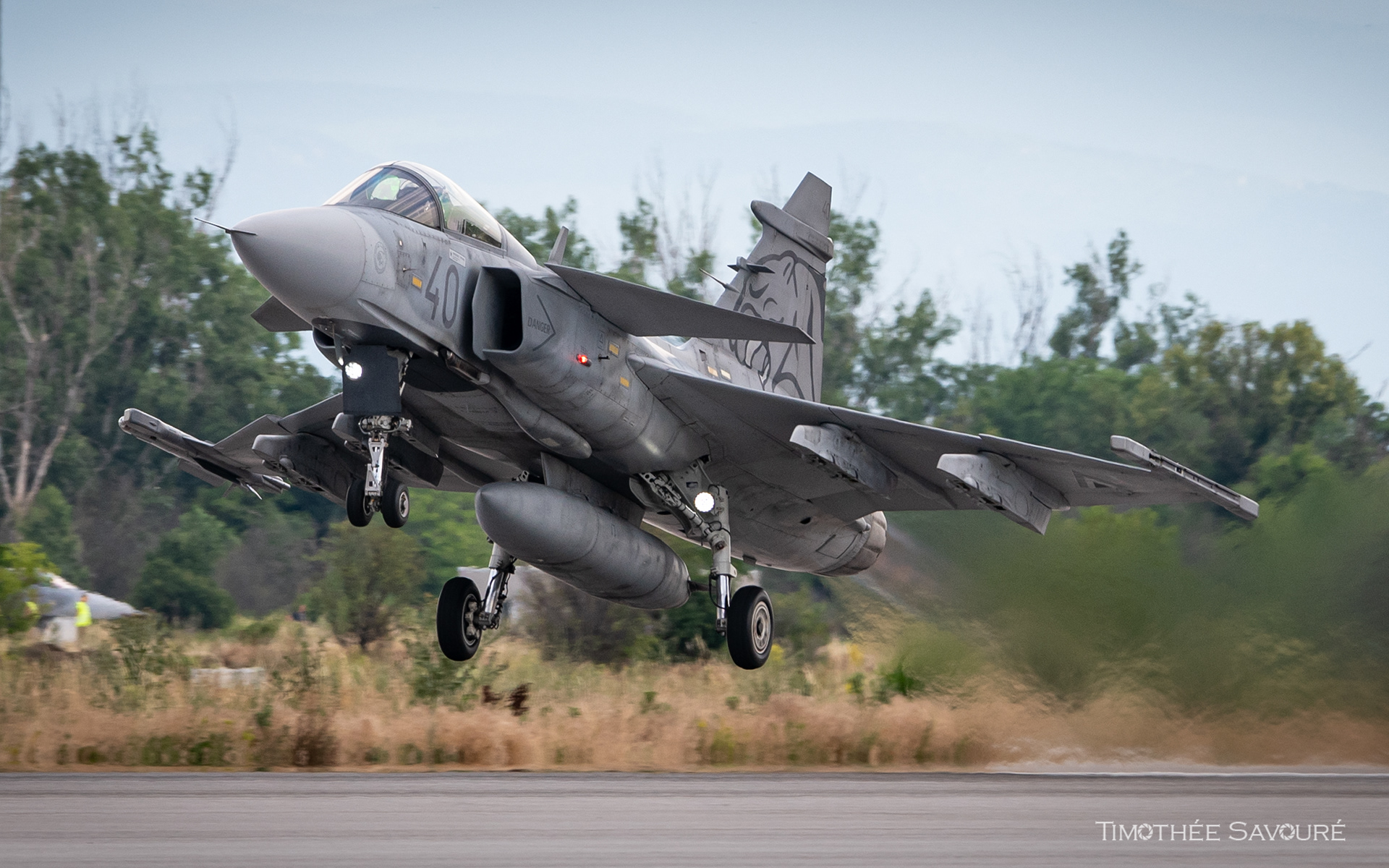
The Hungarian Air Force performed BFM with Bulgarian F-16s during Thracian Blade 2026
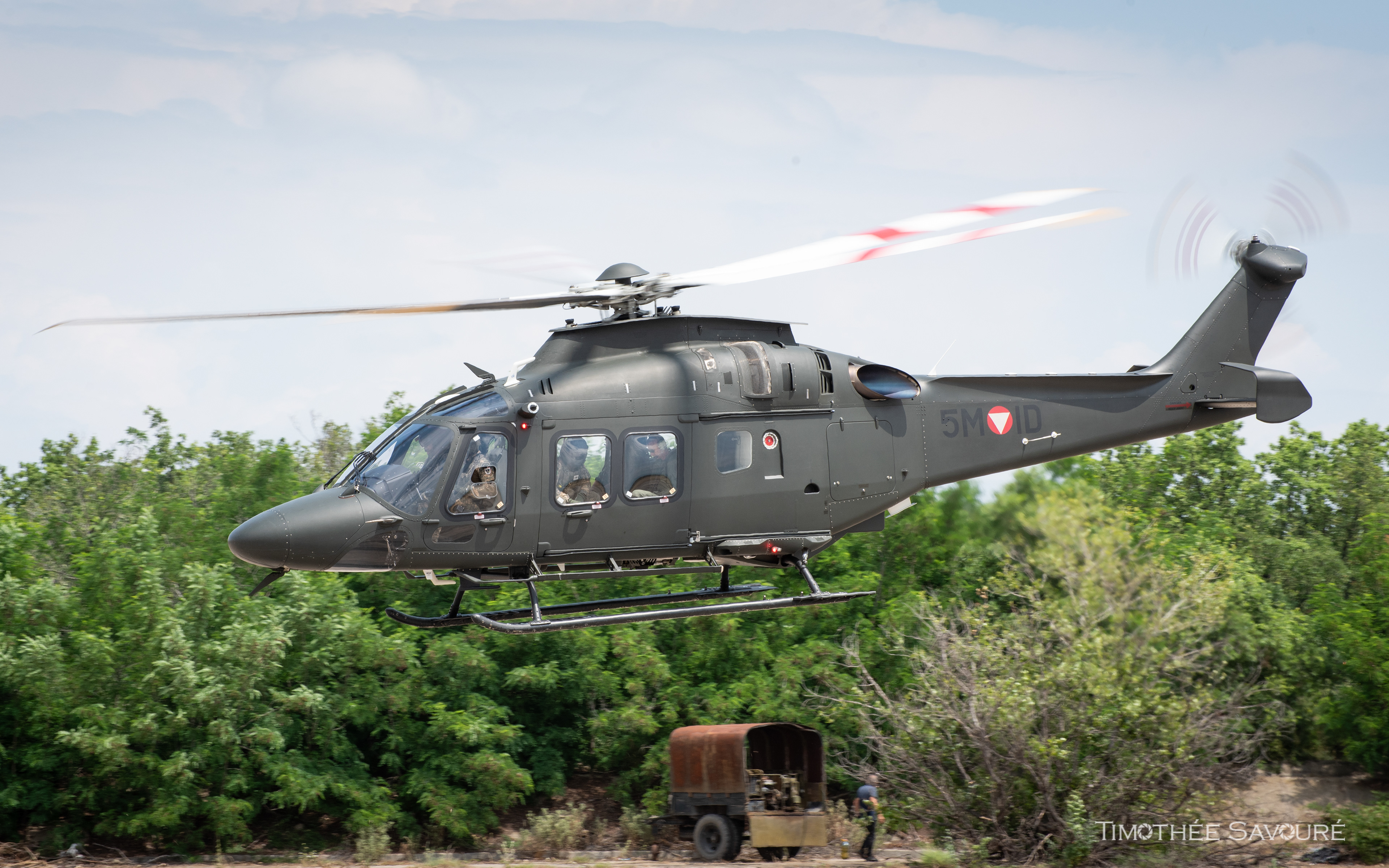
Austrian Air Force AW-169, recently delivered to the country.
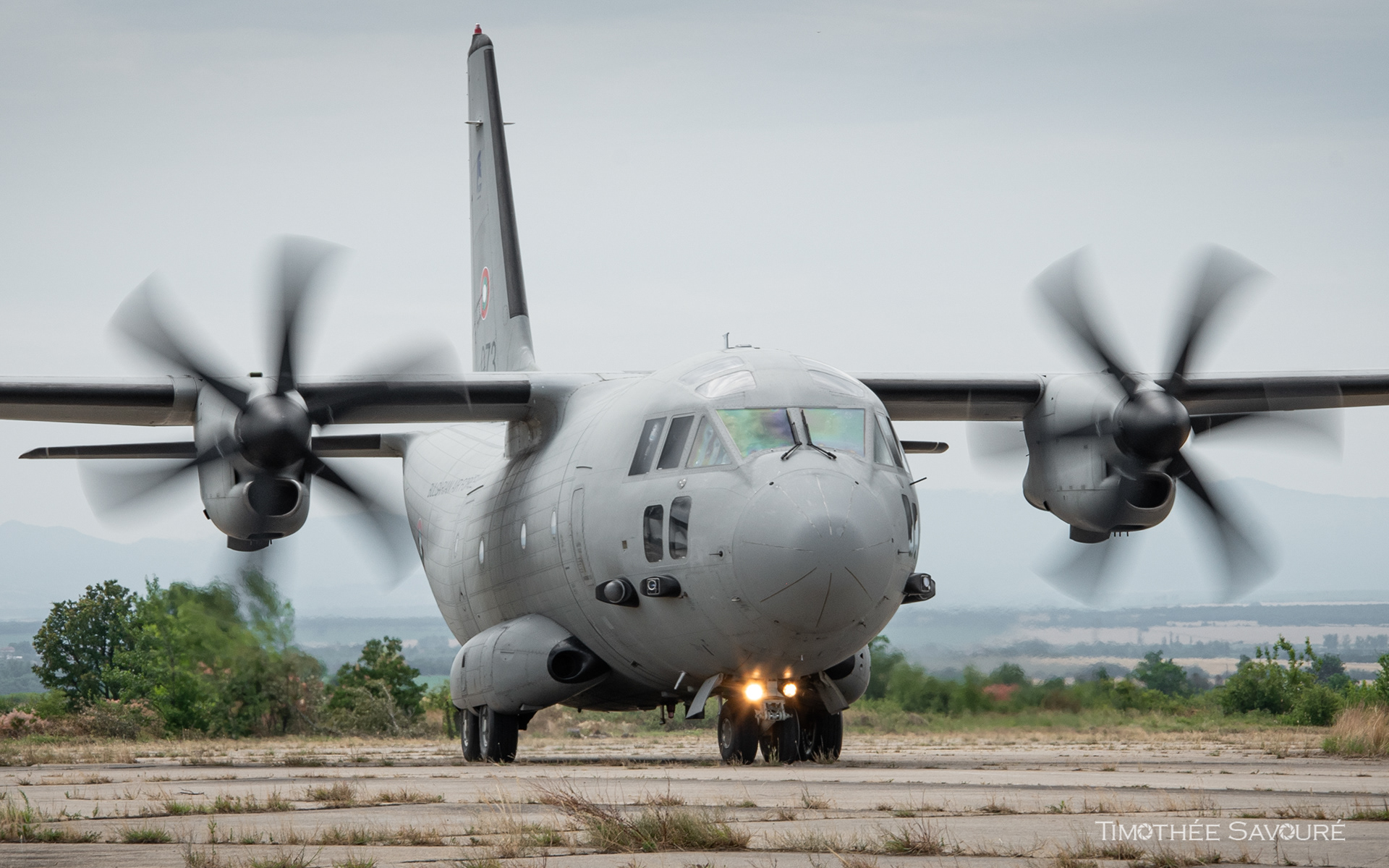
Logistical support was provided with this C-27J Spartan from the Bulgarian Air Force
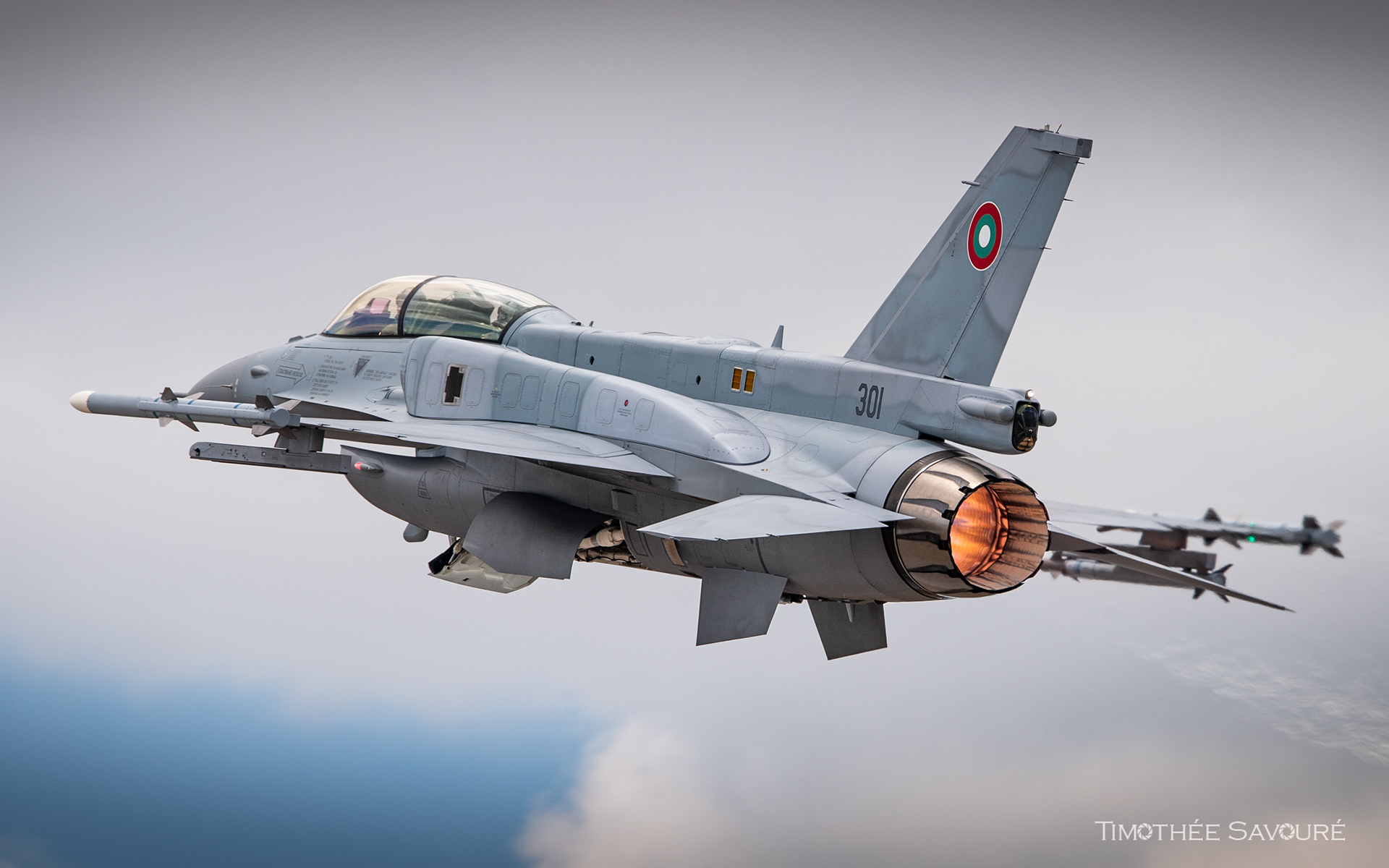
One of the newly-delivered F-16D Block 70 departing Graf Ignatievo
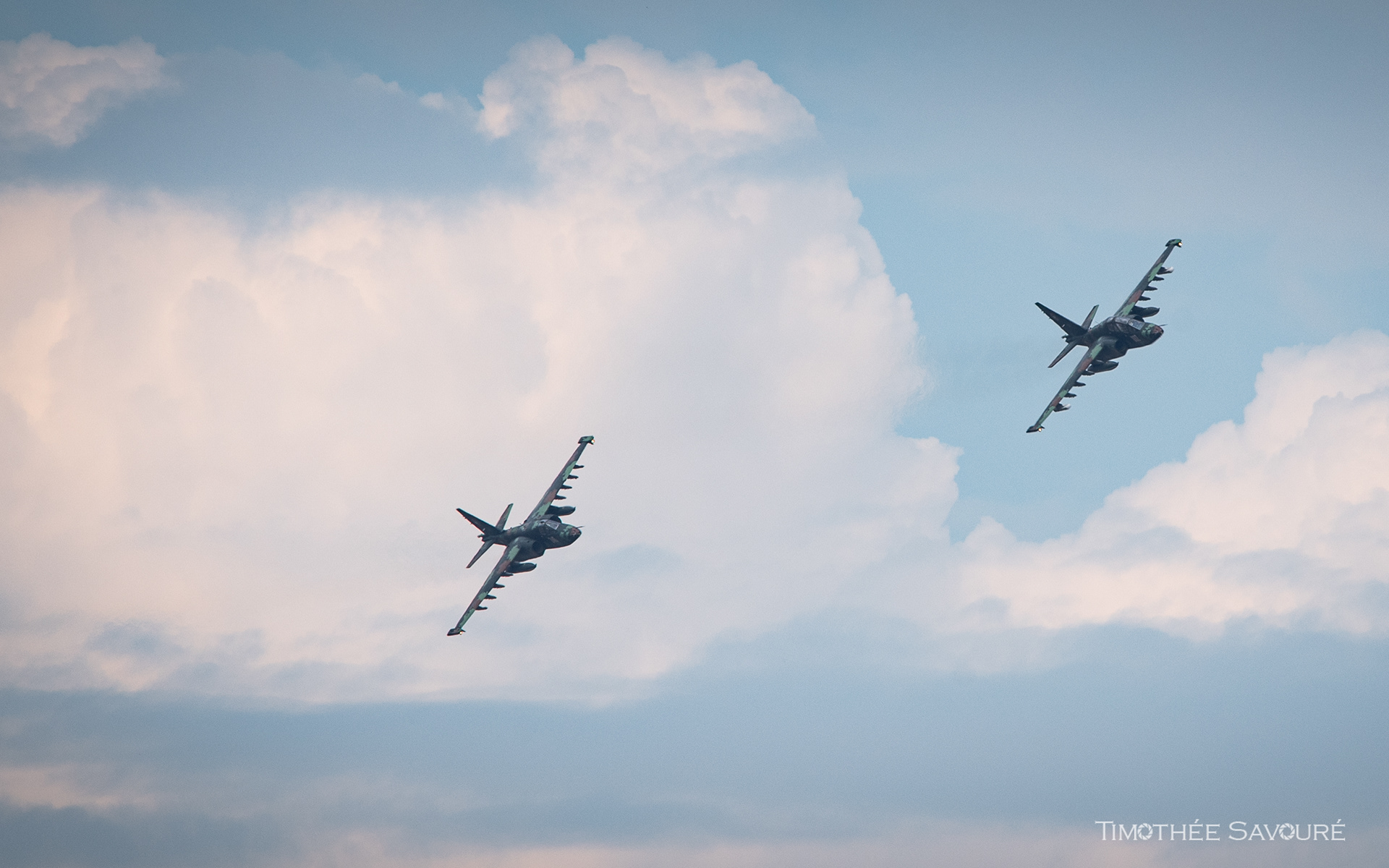
Ground attack simulation was performed with these two Su-25 Frogfoots
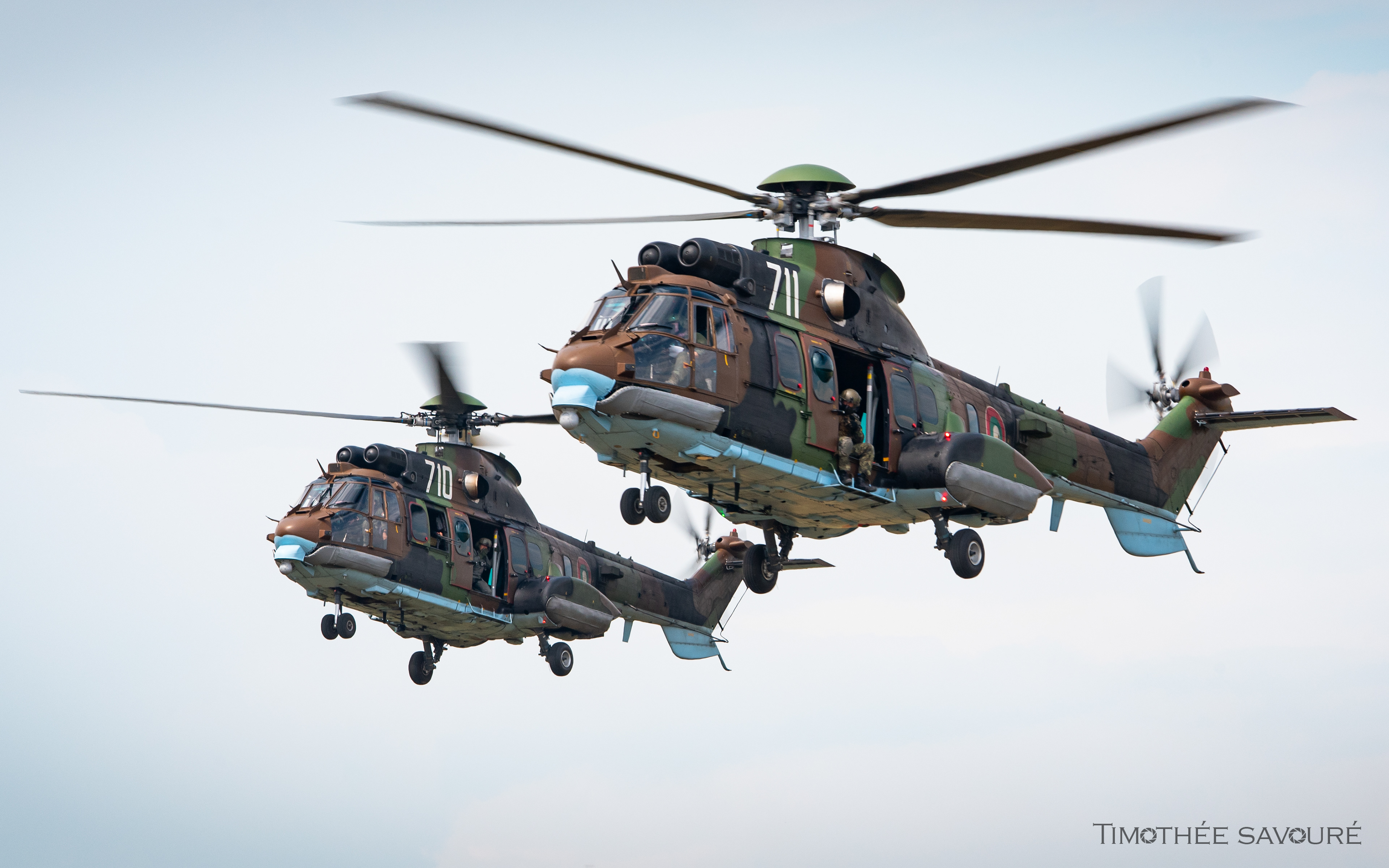
The pair of AS532 Cougar involved in the maneuvers during Thracian Blade 2026
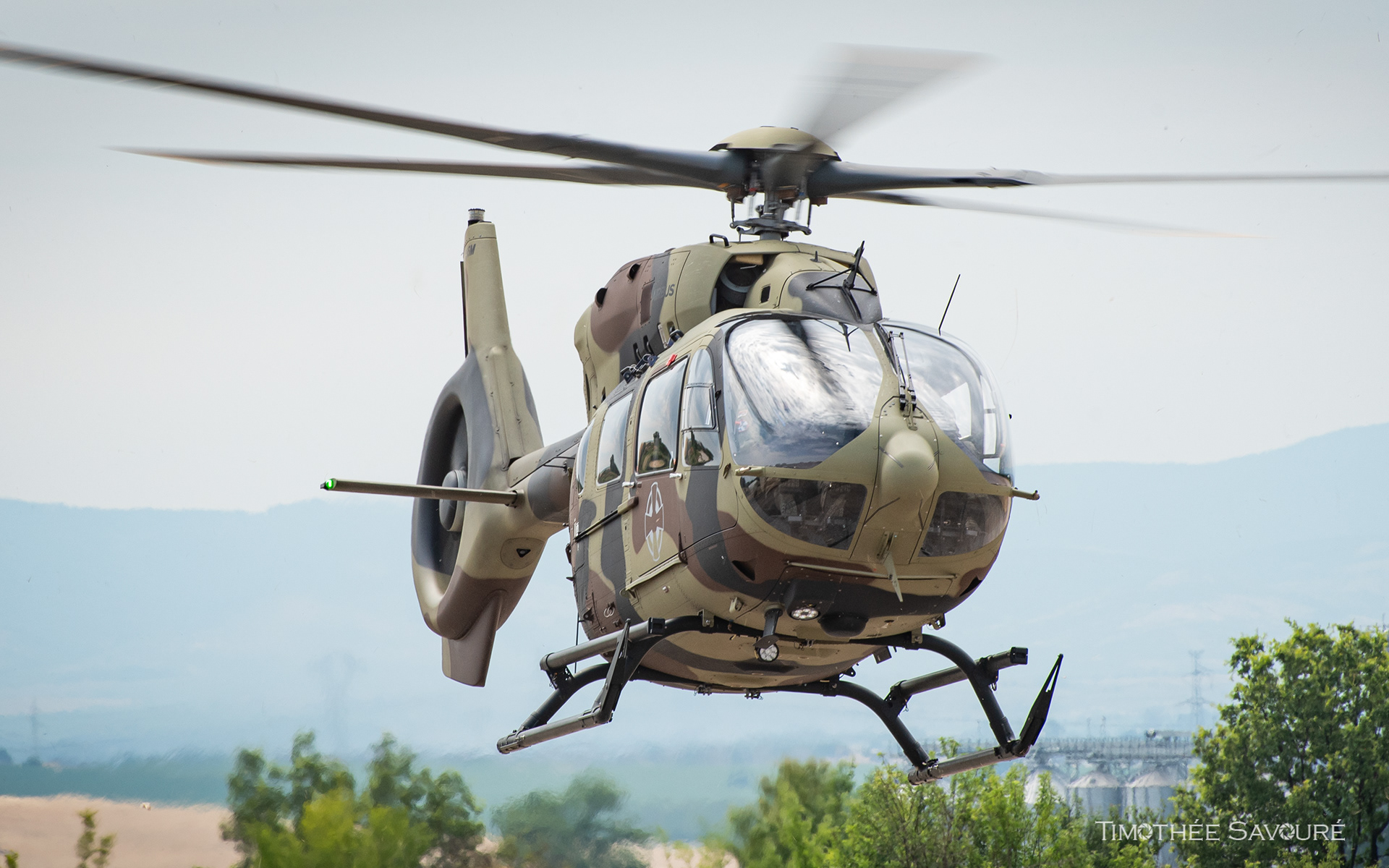
Serbian Air Force H145M arriving in Cheshnegirovo
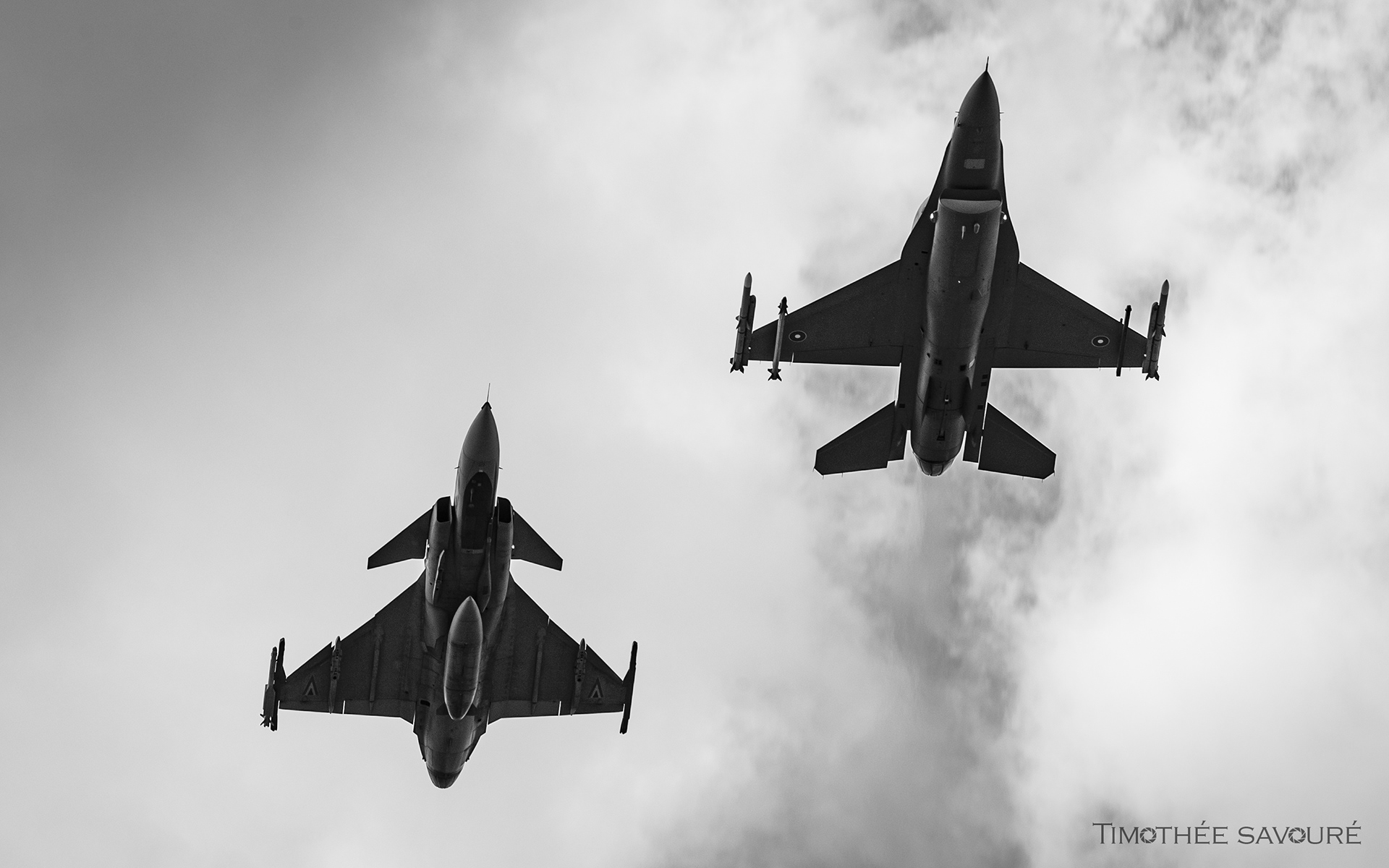
Back from a short BFM flight in Graf Ignatievo: Hungarian Gripen and Bulgarian F-16
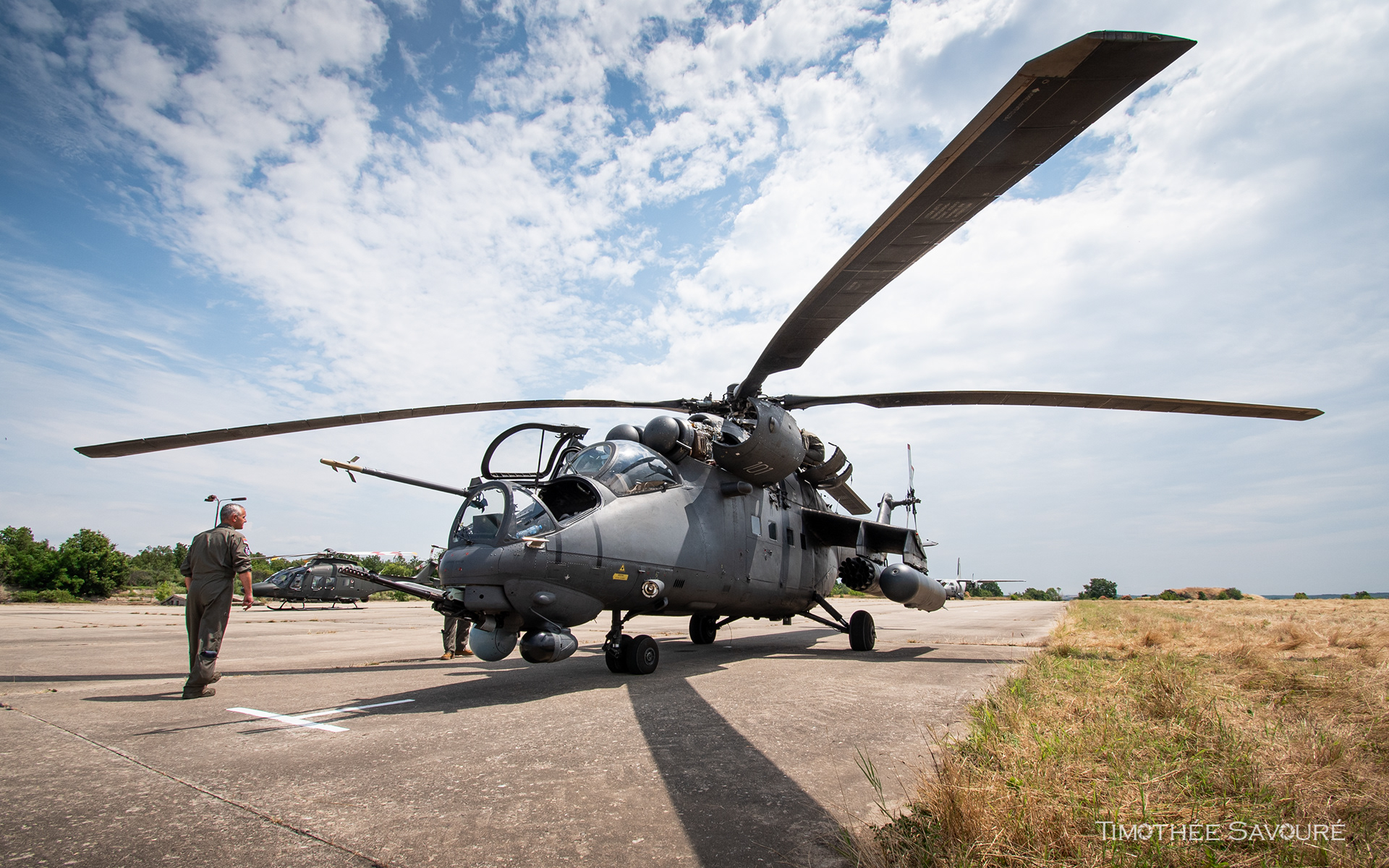
The Serbian Air Force participated to Thracian Blade 2026 with this Mi-35 Hind
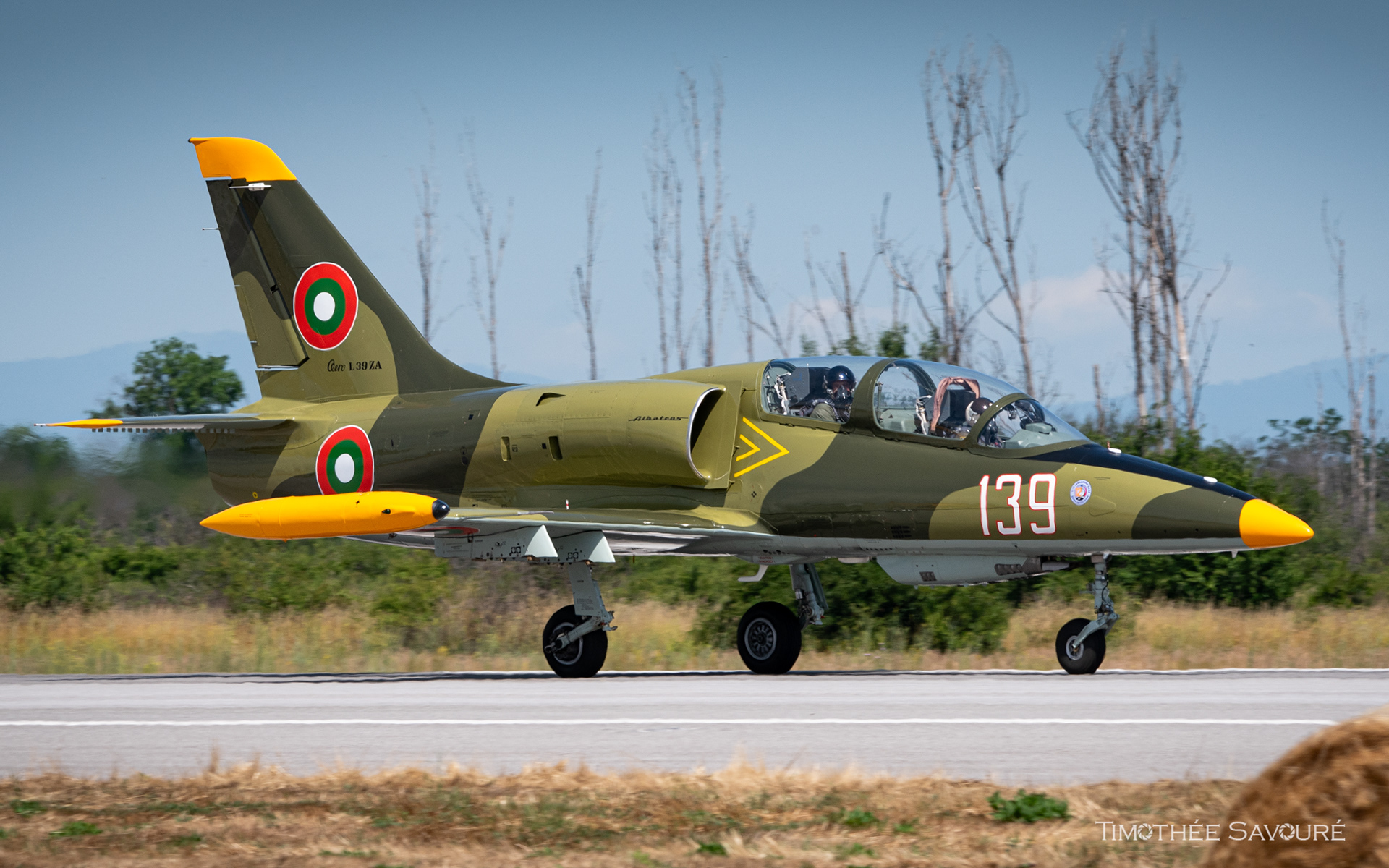
Bulgarian Air Force L-39ZA Albatros equipped with a cannon pod for training in Graf Ignatievo
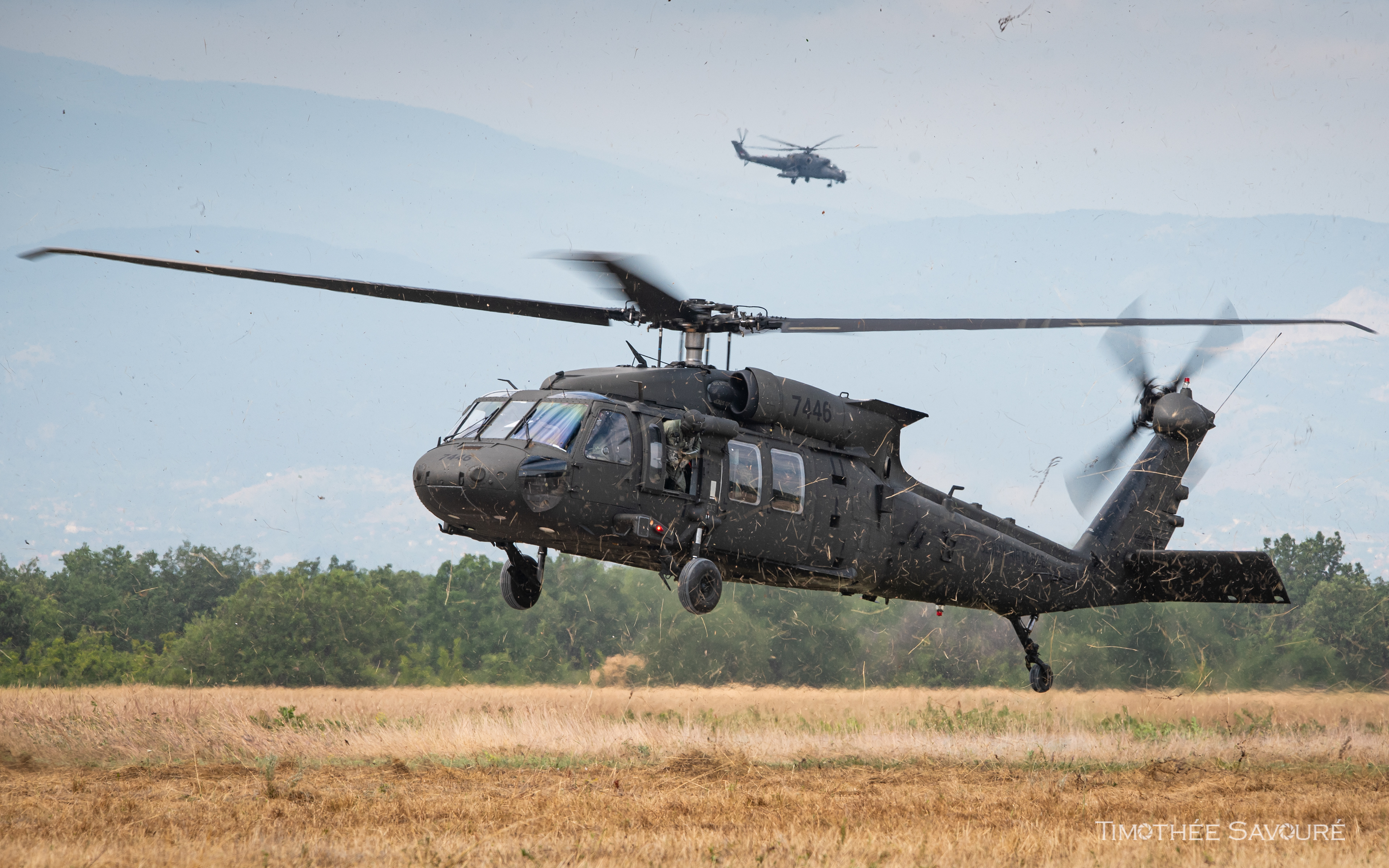
The Slovak Air Force Black Hawk involved in exercise Thracian Blade
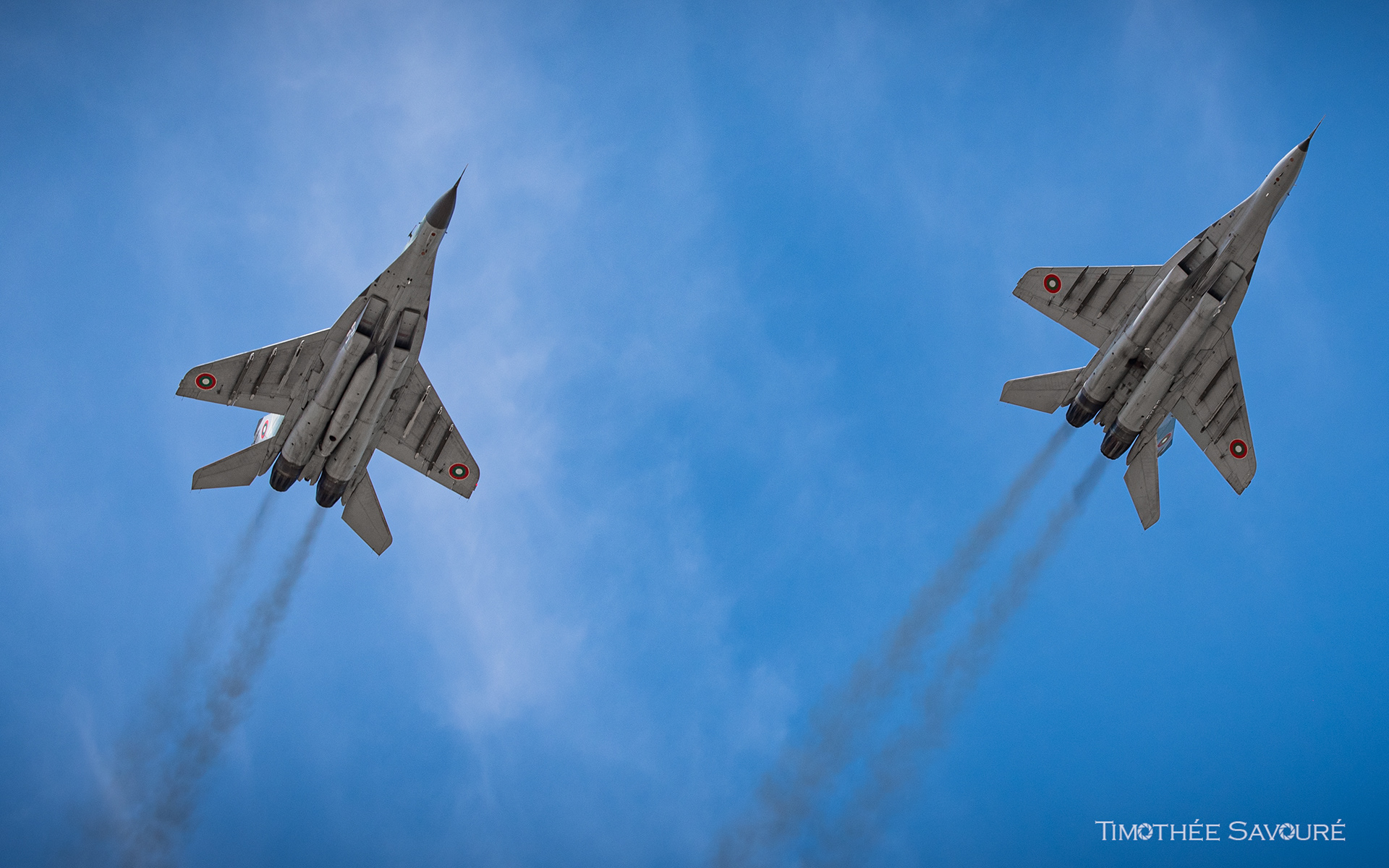
A pair of MiG-29 from the Bulgarian Air Force return to 3rd AFB, Graf Ignatievo
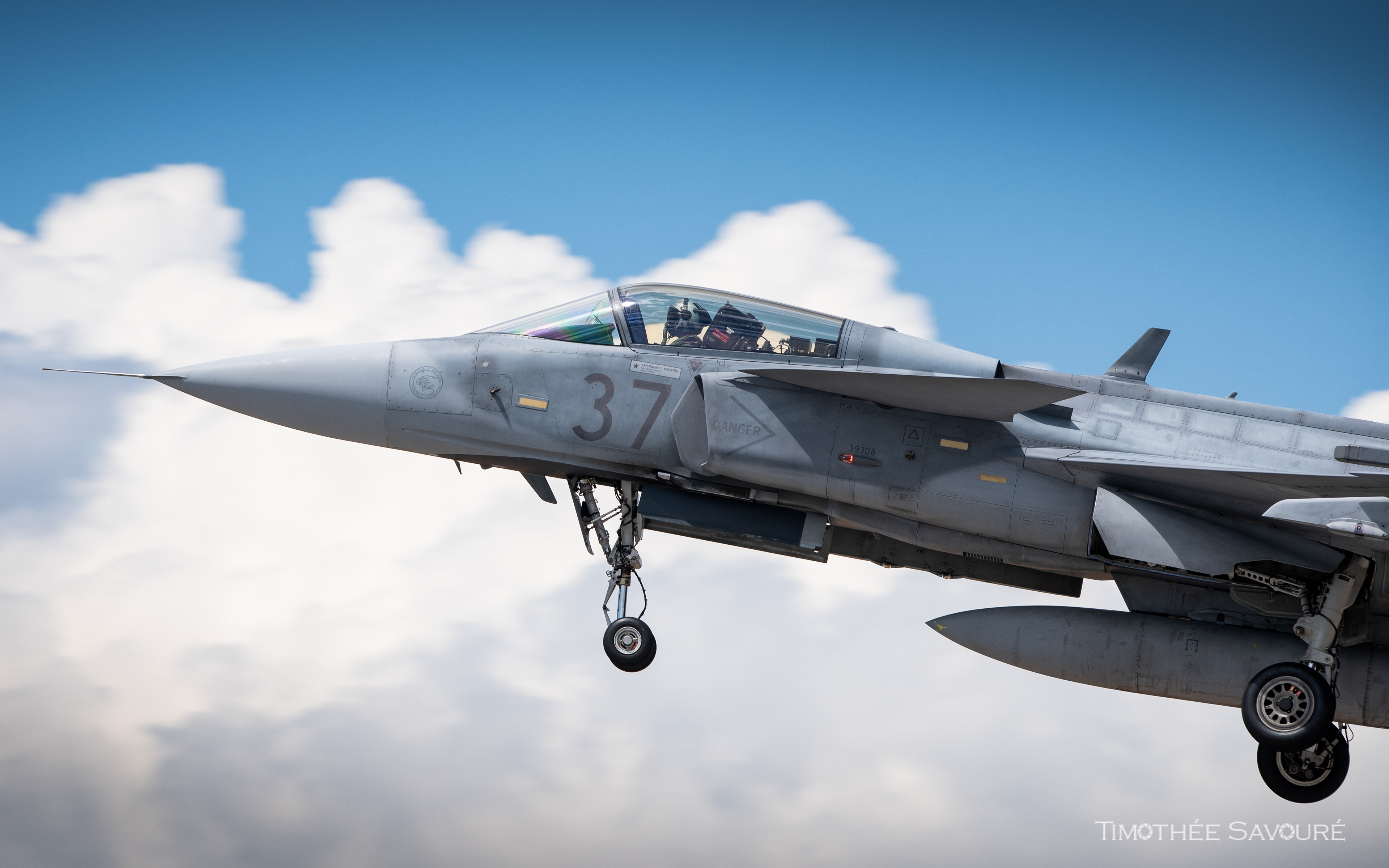
Hungarian Air Force JAS-39 Gripen blasting-off from Graf Ignatievo
From MiG-29 to F-16: The renewal of the Bulgarian Air Force
Only a short distance from Krumovo lies Graf Ignatievo Air Base, home of Bulgaria's fighter force. For decades the base has protected national airspace with Soviet-designed aircraft, first the MiG-21 and later the MiG-29. Today it is also the focal point of Bulgaria's transition to Western air power through the introduction of the F-16 Block 70.
The Bulgarian Air Force ordered 16 newly-built F-16s in 2019 and 2022 to replace its ageing fleet of MiG-29. The first deliveries were planned for 2023, although some delays made them happen in 2025 with the first eight aircraft. Compared with the MiG-29, the F-16 Block 70 offers a very big leap in global capabilities. Its Northrop Grumman AN/APG-83 Scalable Agile Beam Radar (SABR), an AESA radar derived from fifth-generation fighter technology, provides greater detection range, improved target tracking, enhanced resistance to electronic warfare and the ability to engage multiple air and ground targets simultaneously. The modern glass cockpit consists in a large centre pedestal display with a digital mission computer and an advanced electronic warfare suite, giving pilots a level of information management that was unavailable in the analogue MiG-29 cockpit.
Additionnally, the Link 16 allows the F-16 to exchange tactical data in real time with NATO fighters, AWACS aircraft, ground-based air defence units and command centres. This shared operational picture improves coordination during multinational operations and enables Bulgarian crews to integrate fully into NATO air policing missions and coalition deployments.
The new fighter also expands Bulgaria's operational capabilities well beyond those of the MiG-29. While the Soviet fighter was primarily designed as a short-range interceptor, the F-16 operates as a multirole platform able to perform missions such as air superiority, close air support, precision strike, suppression of enemy air defences and reconnaissance missions. Another advantage is the compatibility with modern precision-guided weapons, which provides the Bulgarian Air Force with capabilities that were previously unavailable very limited.
The transition also transforms the Bulgarian Air Force in its structure. Pilots and maintainers have followed all necessary training in the United States before introducing the aircraft into service, and maintenance practices are shifting from ageing Soviet logistics to a digital support system integrated with NATO supply chains. Graf Ignatievo, the main fighter base, is also being equipped with new maintenance facilities, mission planning systems, simulators and upgraded infrastructure.
The second batch of eight is now expected to arrive roughly a year late, a delay the manufacturer has attributed to production capacity, since only up to three aircraft are being finished monthly against a planned rate of four. Until that second batch reaches operational readiness, Bulgaria's Air Force has no choice but to keep flying MiG-29s that were built for Soviet-era maintenance networks Sofia no longer has full access to. The country officially operates a fleet of 12 MiGs, although it is probable that around half of them are actually operational. It has been years since Bulgaria received spare parts for these ageing aircraft, so they have no choice but to perform cannibalizations on their most-used airframes. In July 2026, Polish Defense Minister Władysław Kosiniak-Kamysz confirmed that Warsaw's MiG-29s, offered to Ukraine, could go to Bulgaria instead if talks with Kyiv dragged on. Bulgaria and Poland are indeed the only two NATO members still operating MiG-29s, which makes Sofia the obvious fallback buyer if the Ukraine deal collapses. The Polish MiG-29 transfer to Ukraine has effectively been dead since mid-2026 for reasons that have nothing to do with Sofia: Poland conditioned the handover of its remaining Soviet-era jets on Ukraine sharing drone production technology, Kyiv initially agreed but, according to Warsaw, never delivered, and Deputy Defense Minister Cezary Tomczyk confirmed the suspension of the transfer in mid-June.
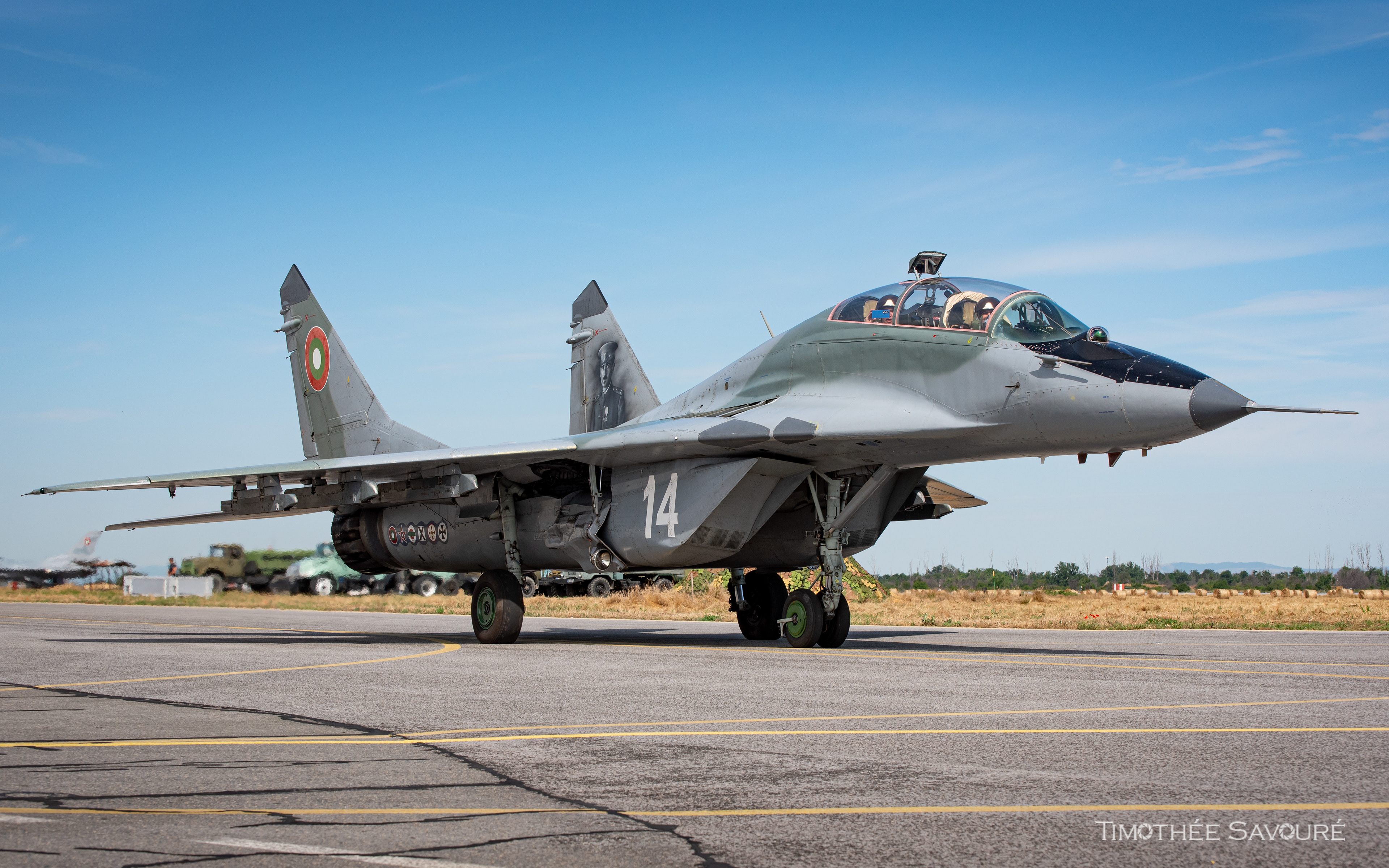
Bulgarian Air Force MiG-29UB 14 taxiing in Graf Ignatievo AFB
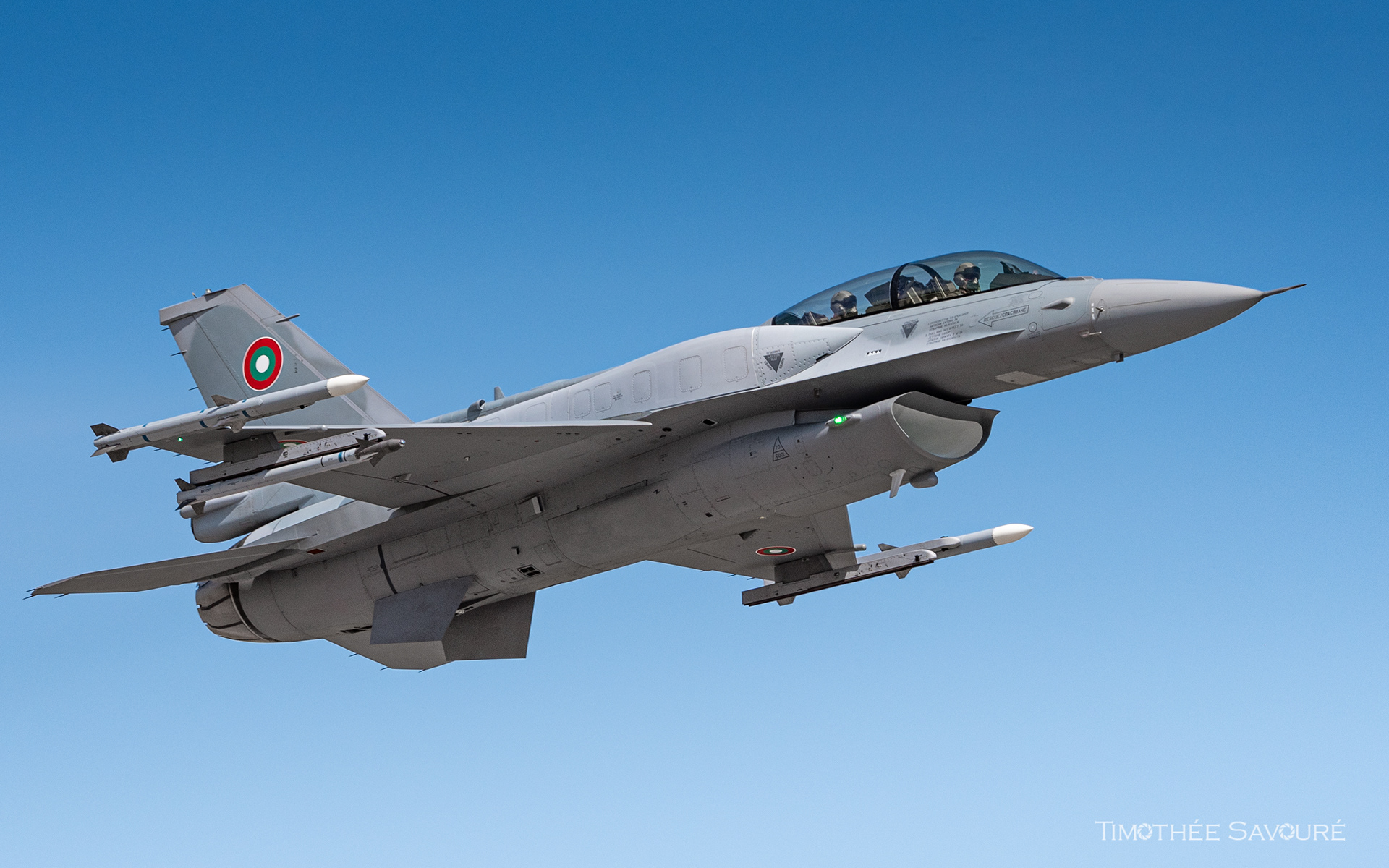
The newly-delivered Bulgarian Air Force F-16D Block 70 performing low approaches in Graf Ignatievo
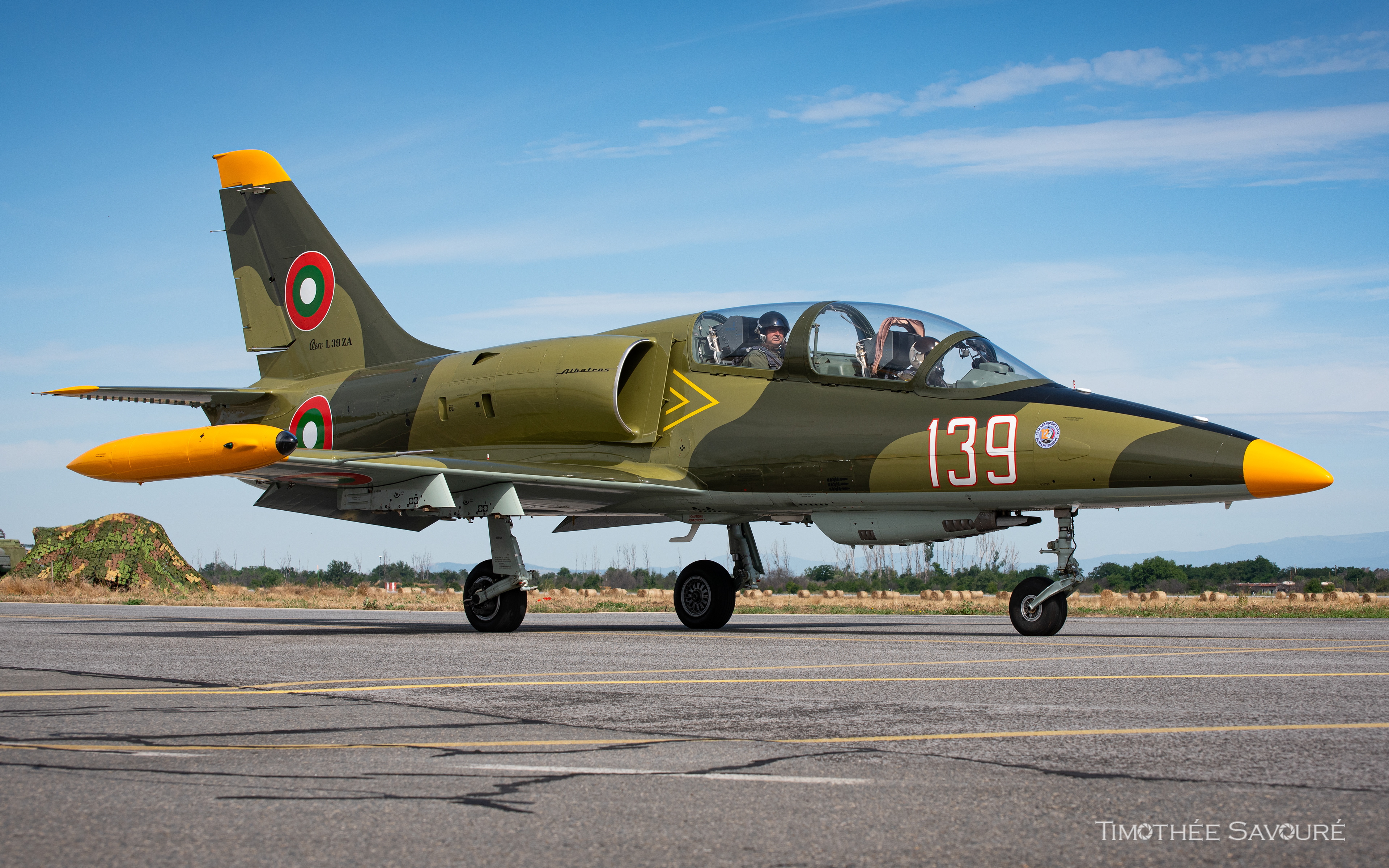
L-39ZA Albatros used as trainer and basic fighter. Two of them are based in Graf Ignatievo
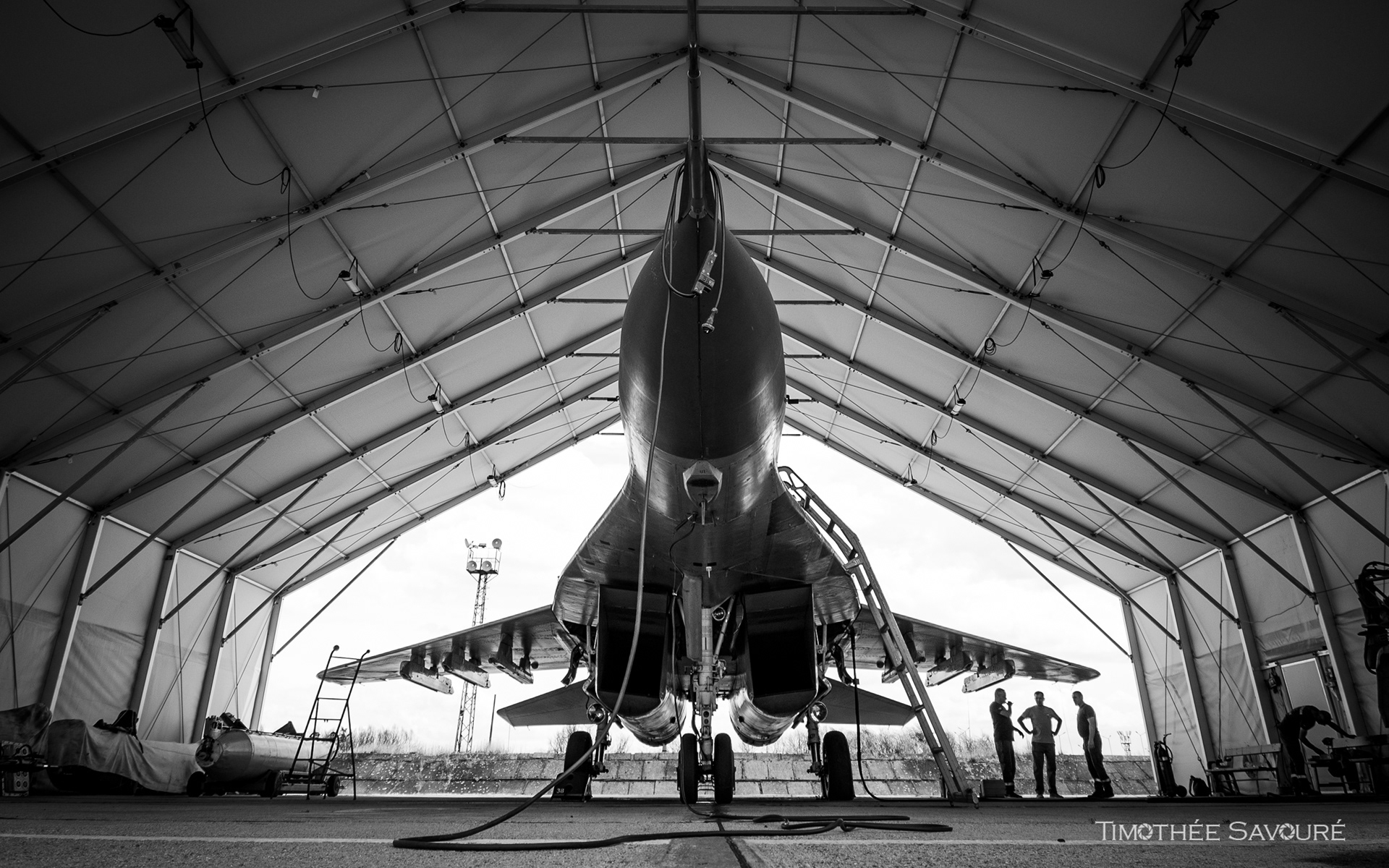
The unique shape of the MiG-29 resting under its shelter in 3rd Air Base
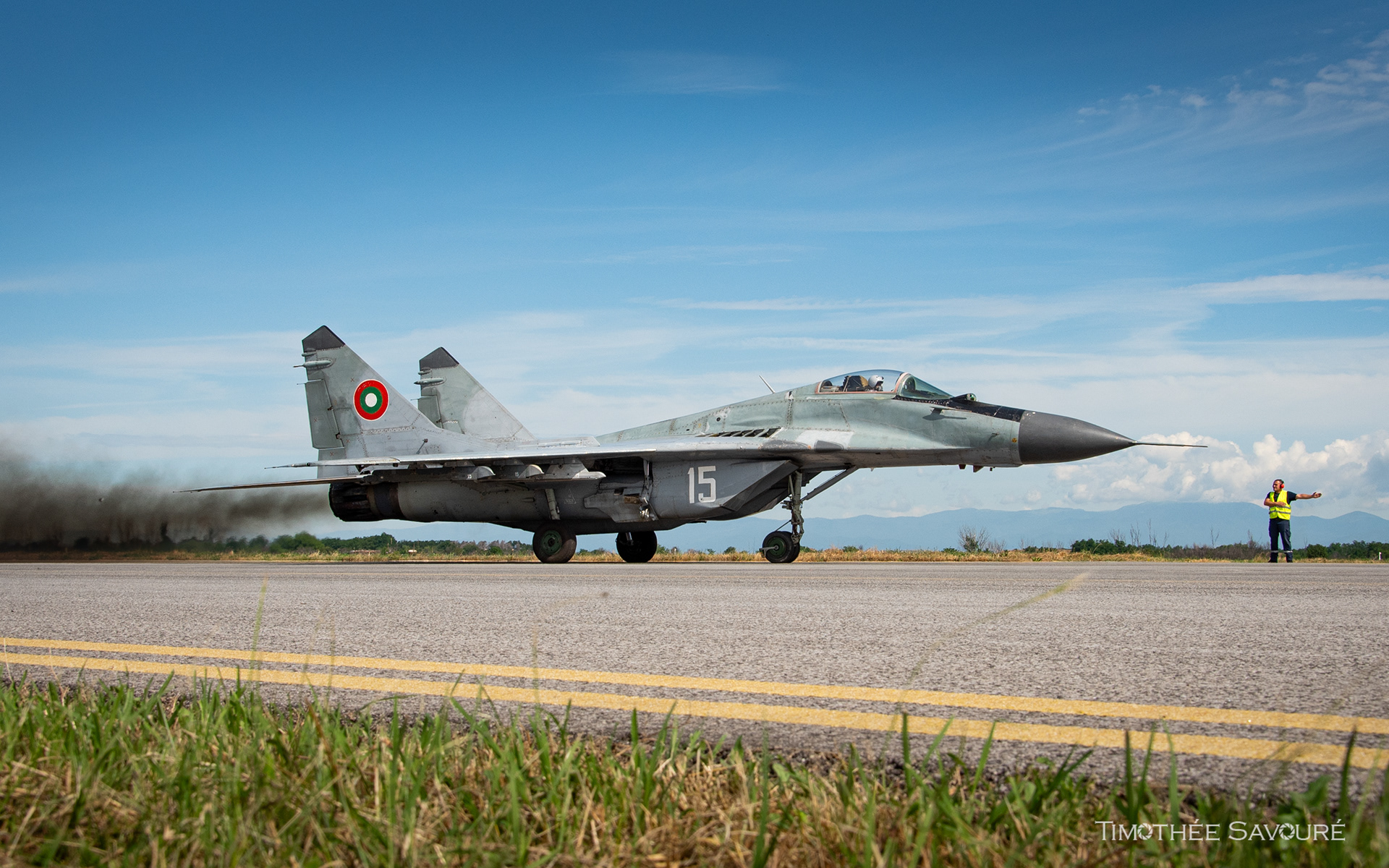
MiG-29K of the Bulgarian Air Force ready for a training mission during Thracian Blade 2026
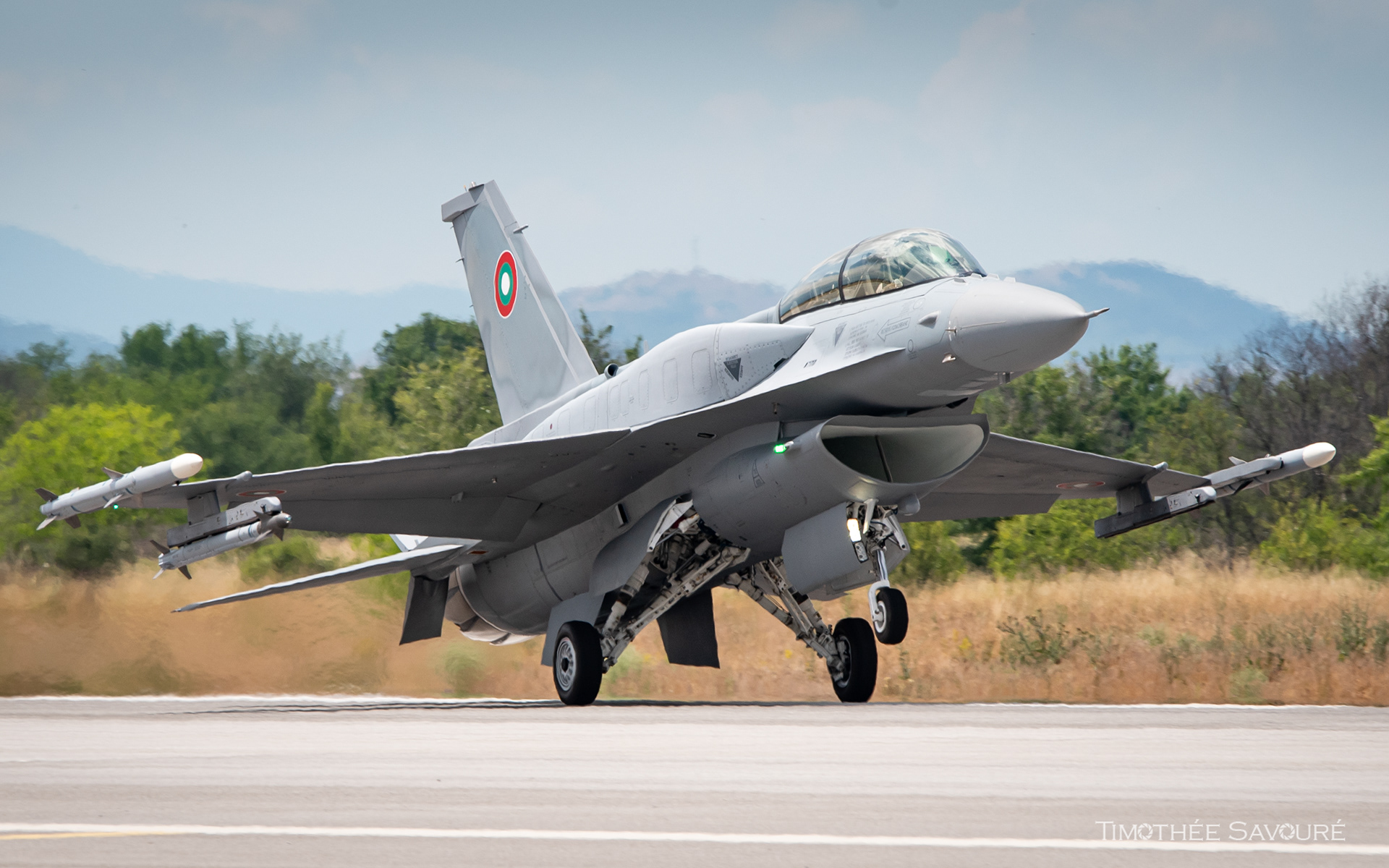
F-16D Block 70 of the Bulgarian Air Force landing in Graf Ignatievo
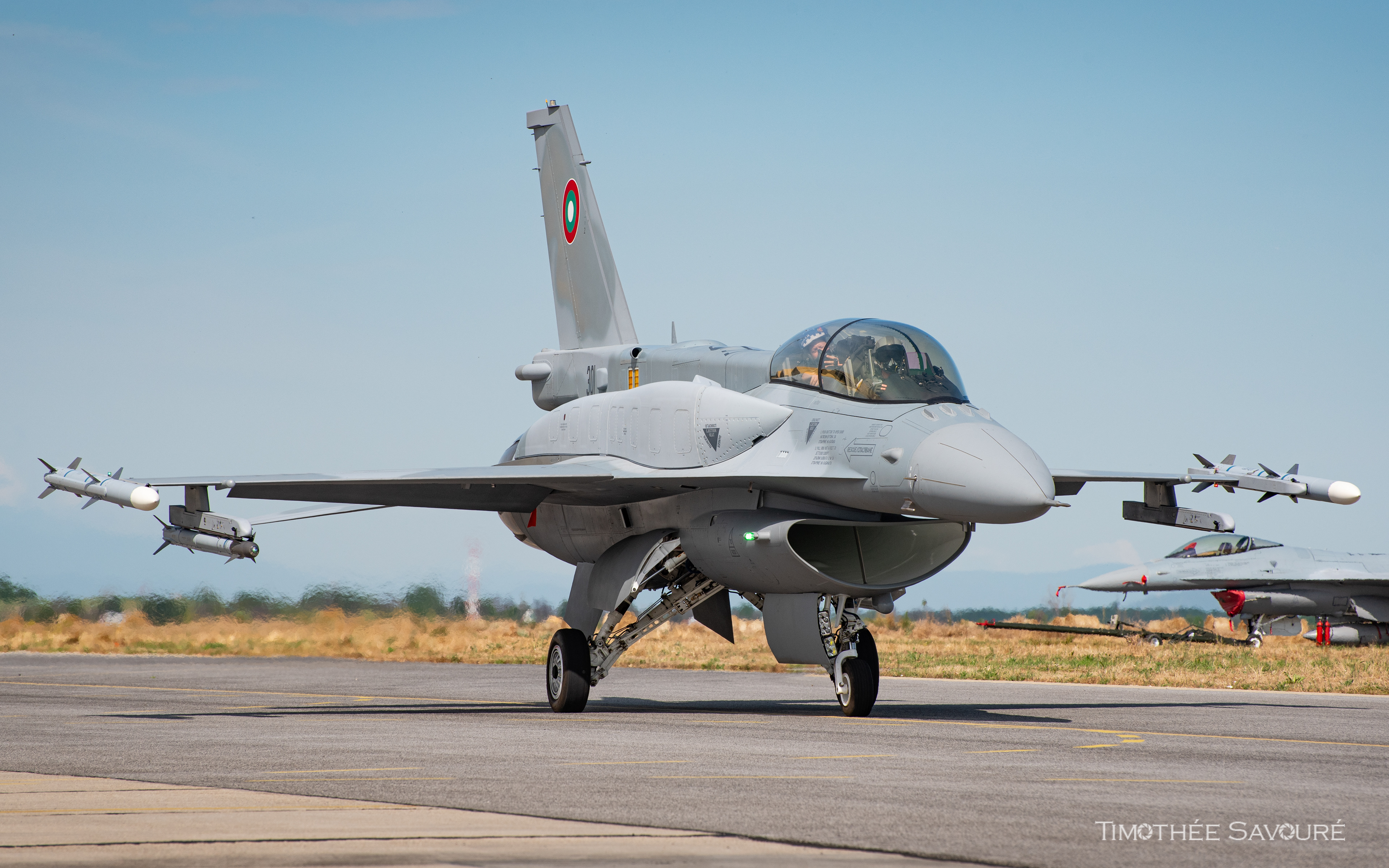
The newly-delivered Bulgarian Air Force F-16D Block 70, slowly replacing oldest platforms
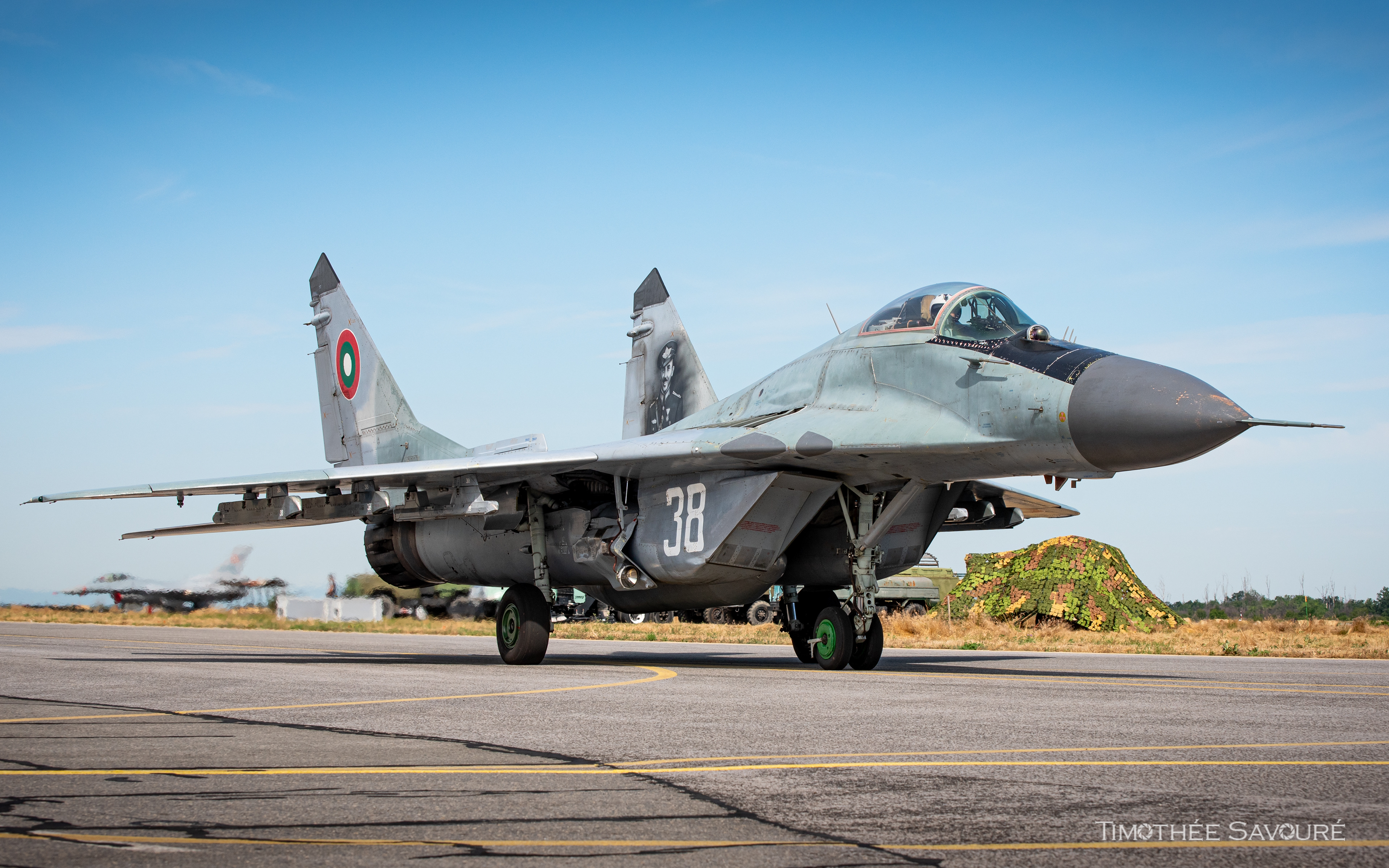
The unique silouette of the MiG-29, really fitting with the Bulgarian colors
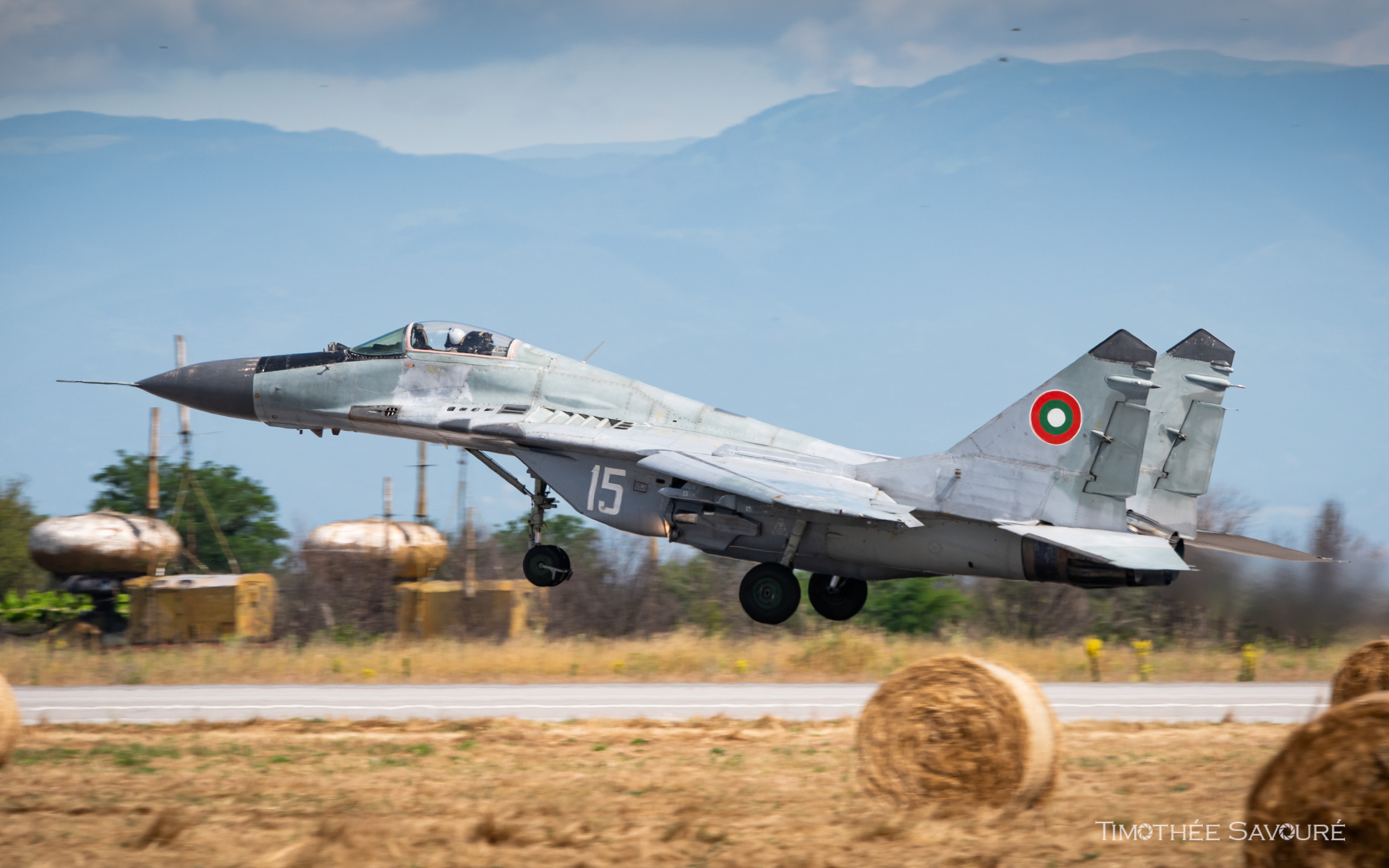
MiG-29K of the Bulgarian Air Force lifting-off during Thracian Blade 2026
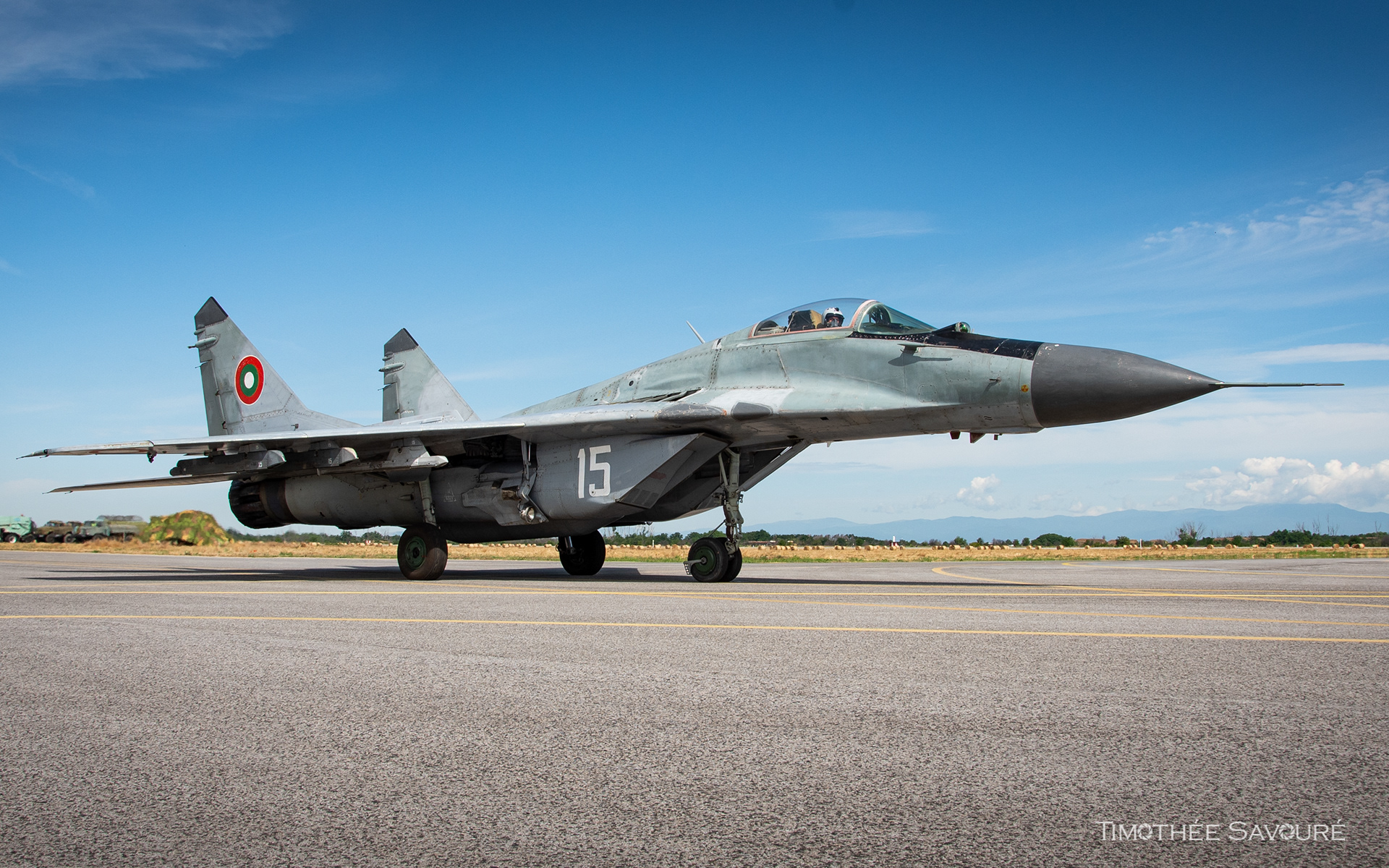
MiG-29K of the Bulgarian Air Force taxiing in Graf Ignatievo
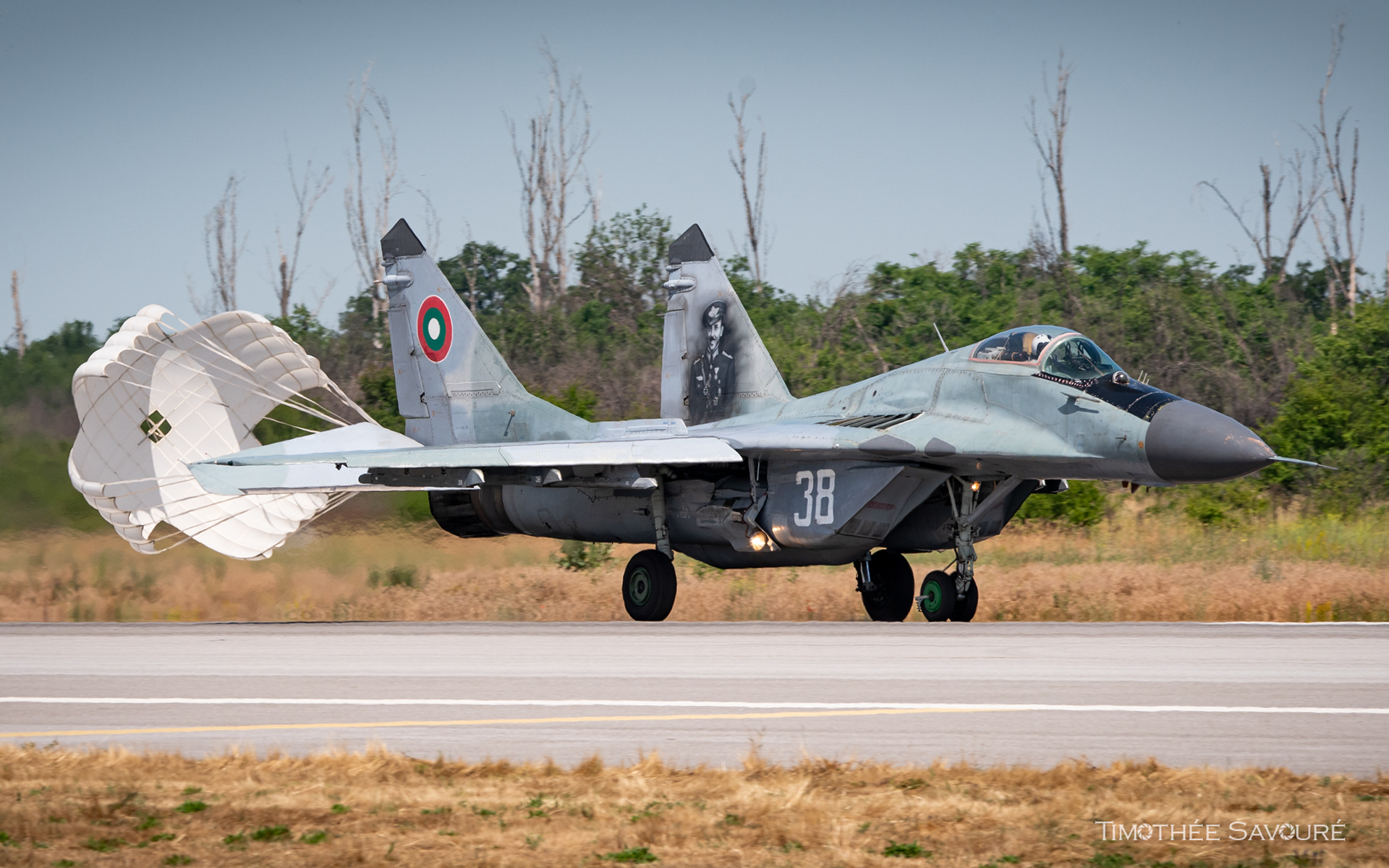
Drag chute landing for this MiG-29K of the Bulgarian Air Force
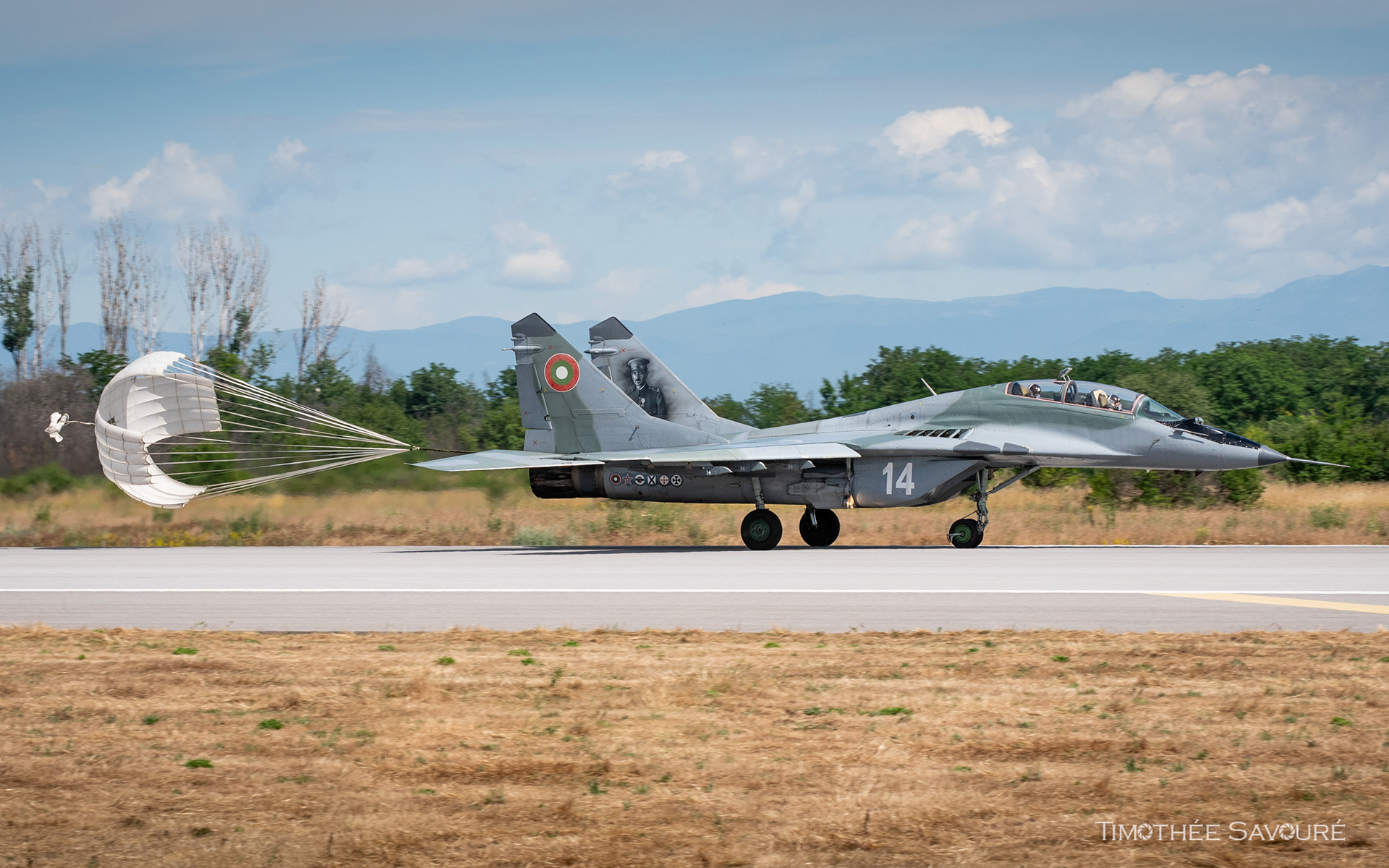
Bulgarian MiG-29UB landing in Graf Ignatievo
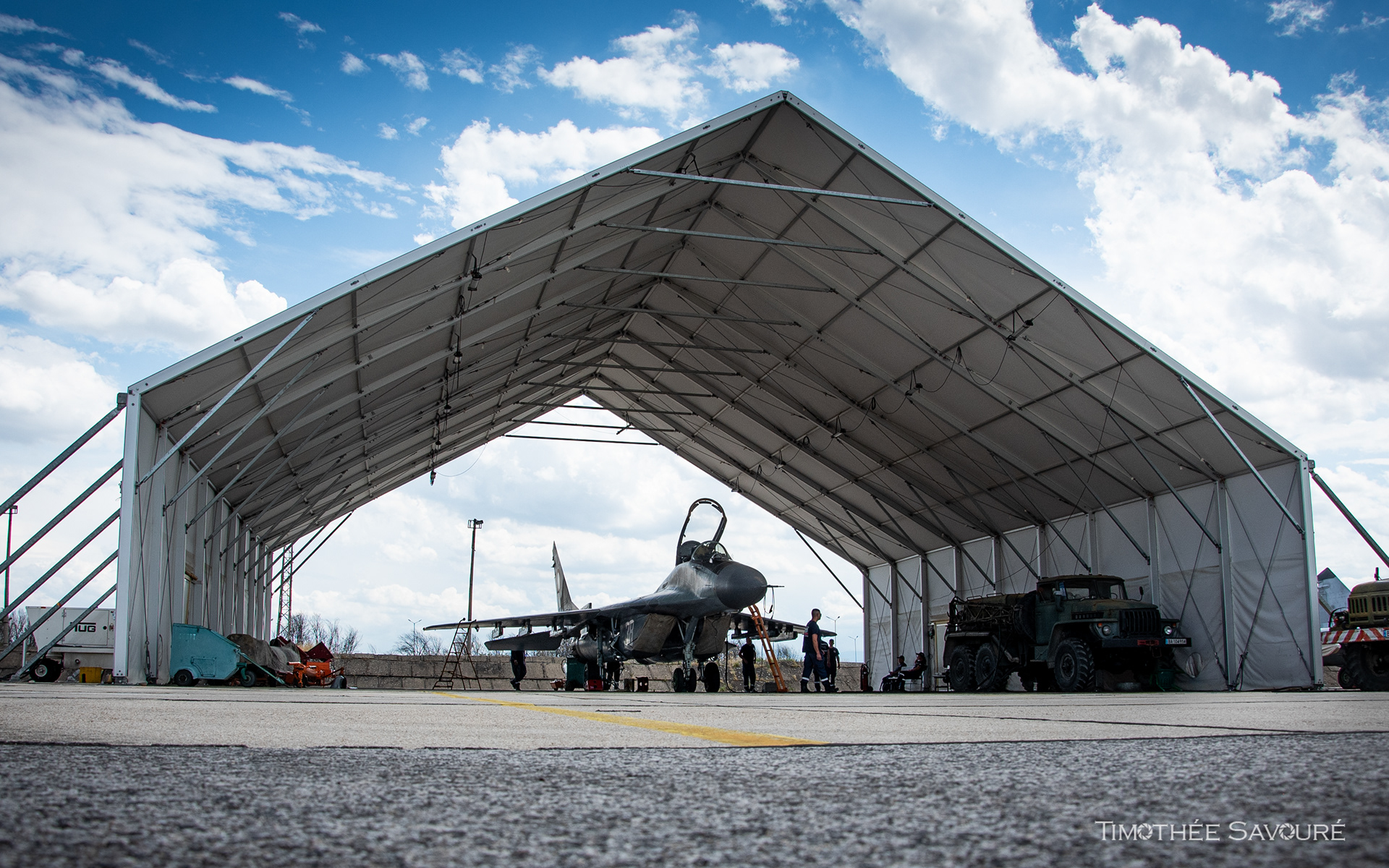
MiG-29K resting under the shelter in Graf Ignatievo
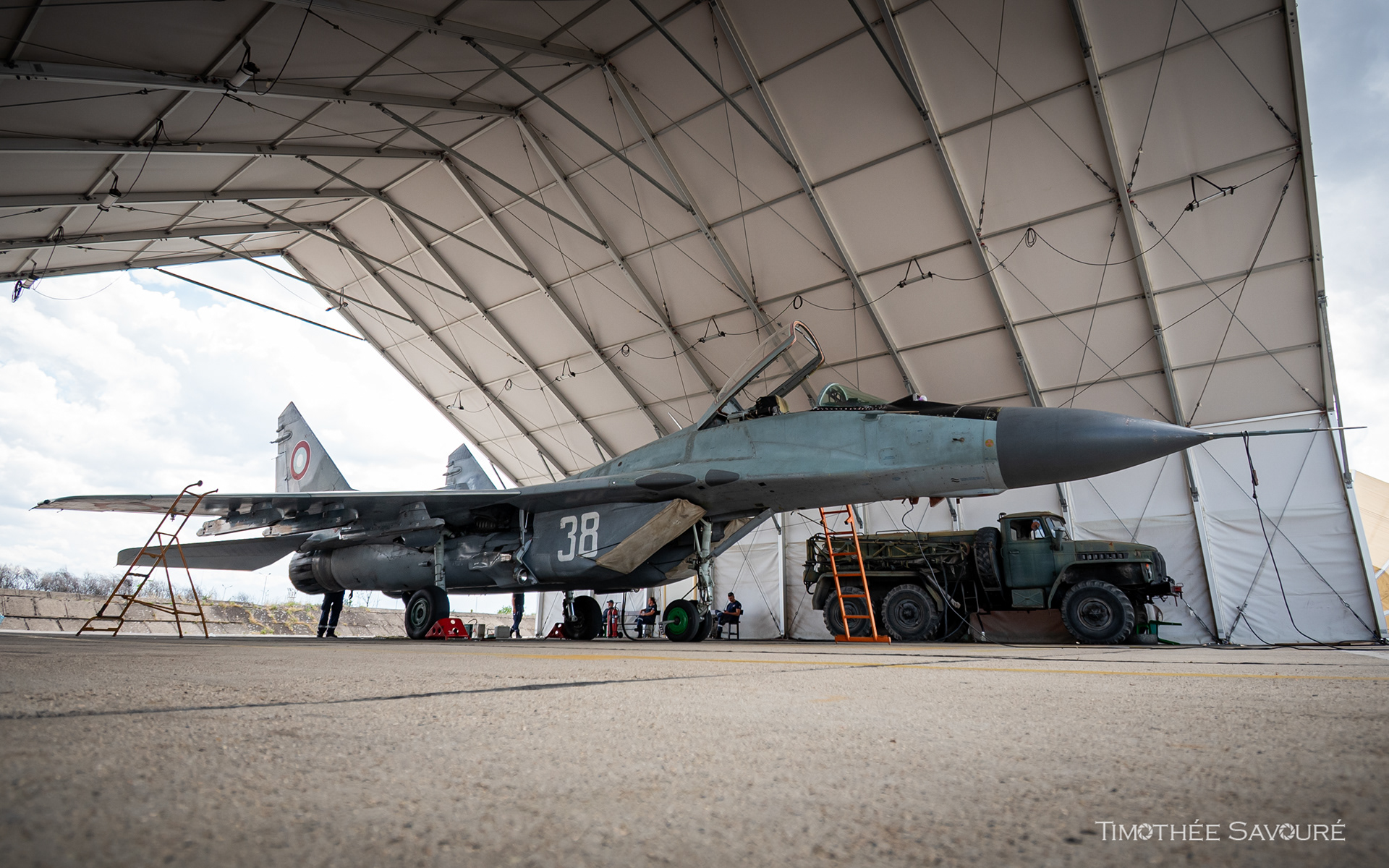
MiG-29K resting under the shelter in Graf Ignatievo
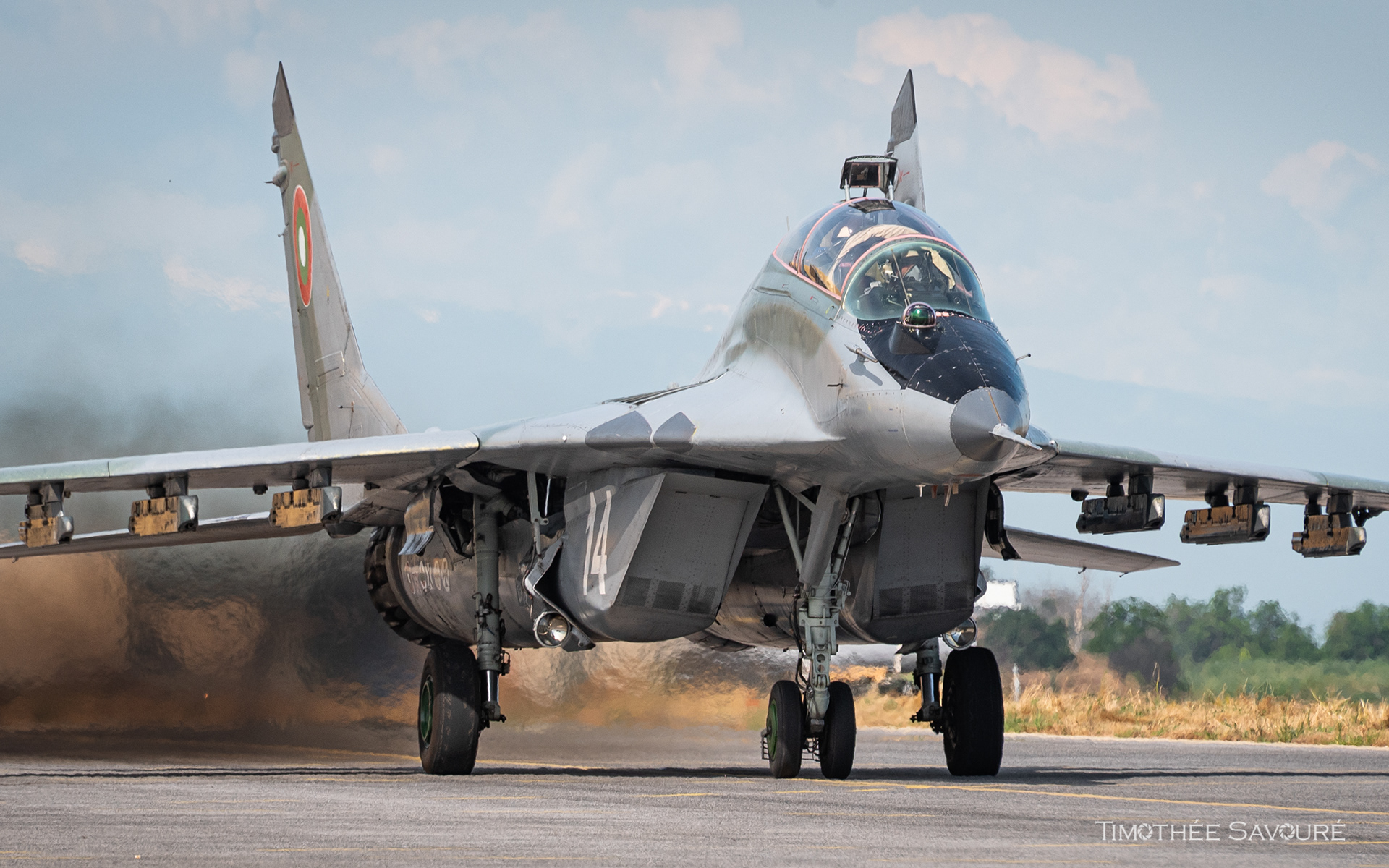
Bulgarian MiG-29UB taxiing in Graf Ignatievo AFB
Jet Blast Area would like to extend its thanks to the Bulgarian Air Force Public Affairs Office, especially Lieutenant Colonel Nadezhda Topurova, as well as Graf Ignatievo AFB for the welcome.