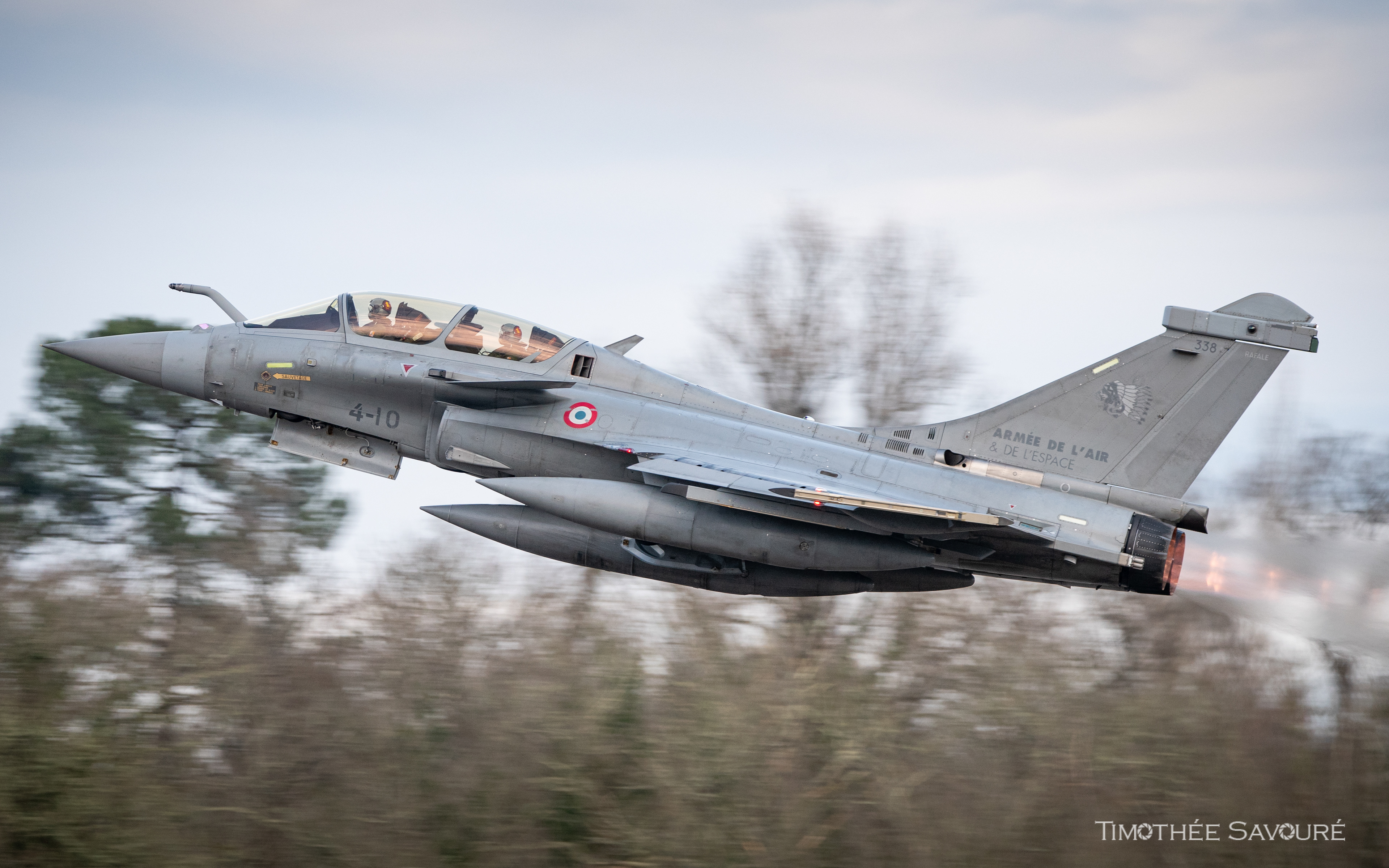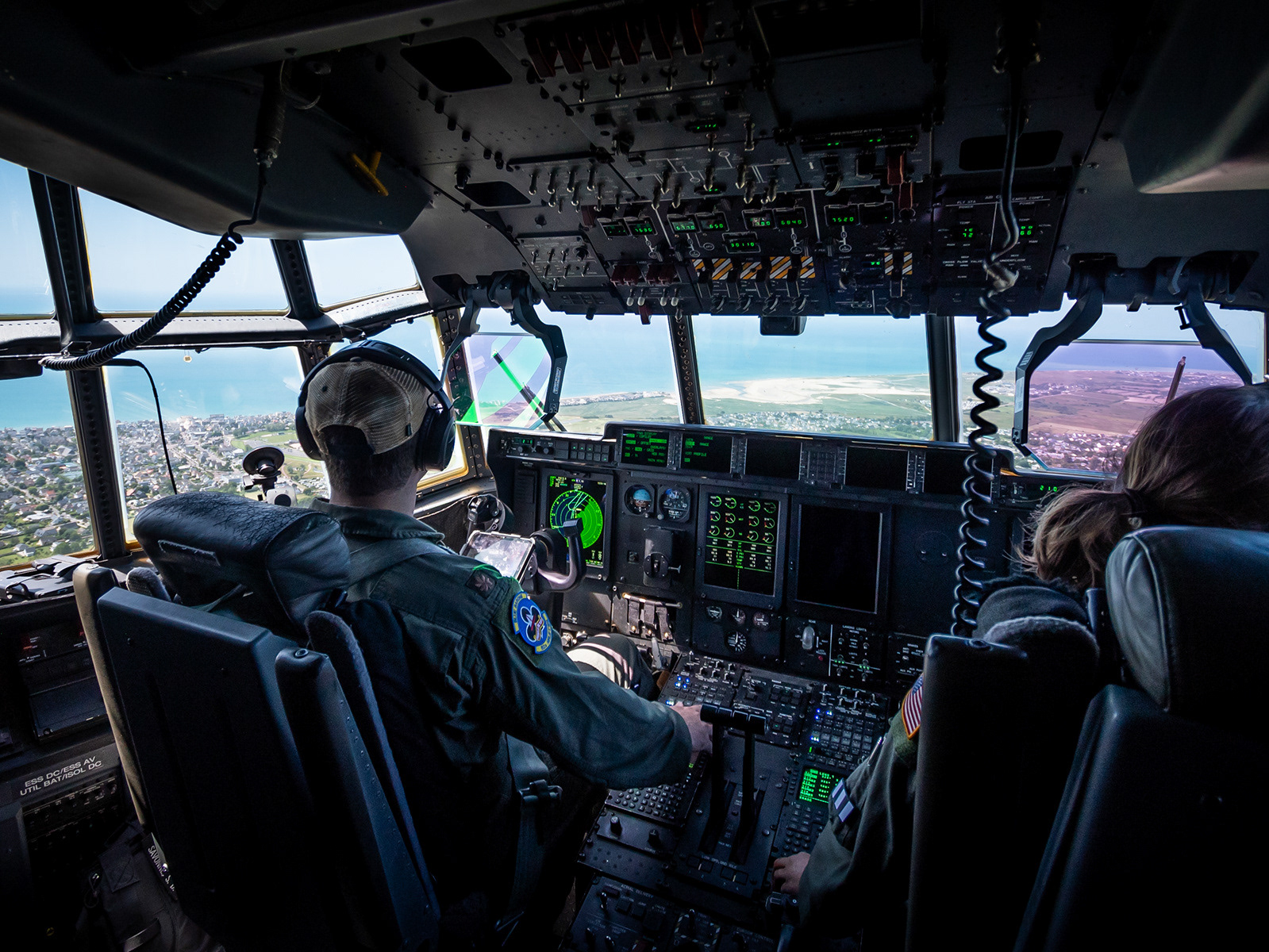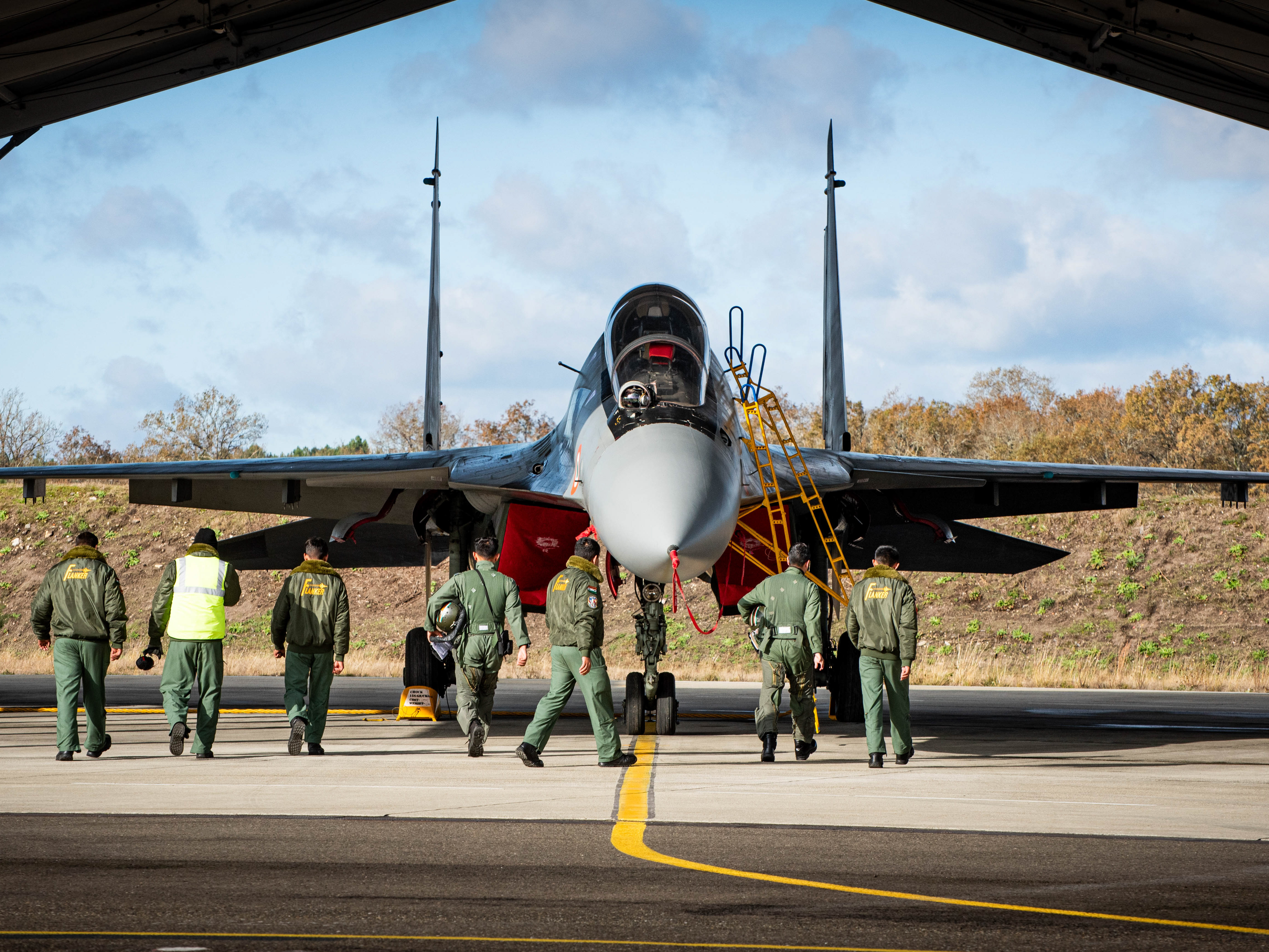
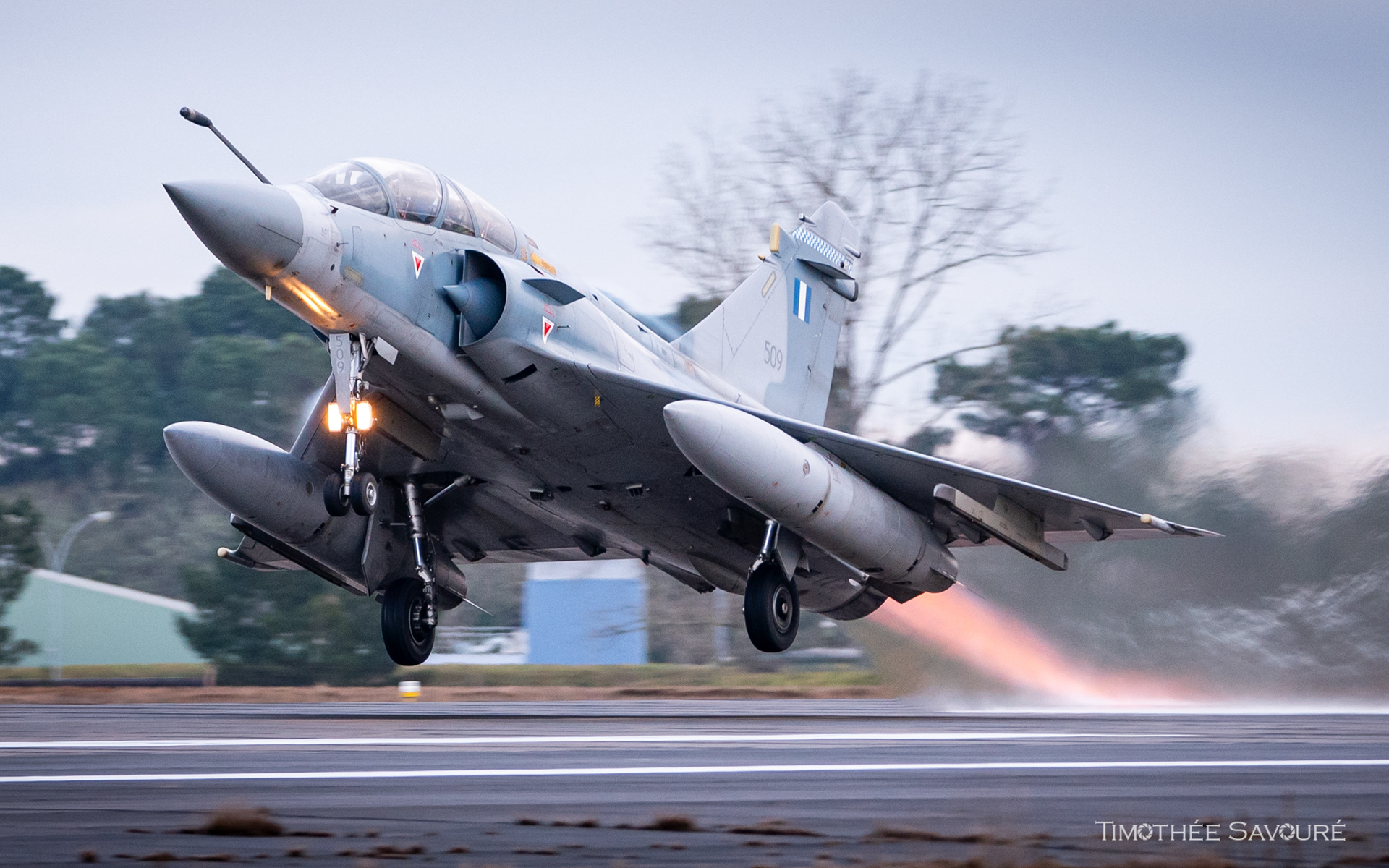
In 2026, the French Air Force, Army and Navy conducted one of their biggest ever joint exercise. ORION 26 follows another edition of this high-scale training three years after the previous one. On Jet Blast Area we focus on Phase O2, second and biggest phase of this multinational exercise led by the French forces.

ORION 2026 scenario
With the rise of geopolitical tensions and a high-intensity warfare in Europe becoming something possible, ORION 26 has been designed to strengthen the readiness of the French Armed Forces for this demanding operational scenarios. The goal of the exercise was to test modern tactics, new technologies and innovation under realistic combat conditions, while preparing commanders and troops to operate across all domains of conflict, from conventional warfare to cyber and information operations.
The exercise was built around a fictional yet highly credible European crisis. In the scenario, the expansionist state of Mercure tried to destabilise neighbouring Arnland through a combination of hybrid actions and support to local militias in an effort to prevent its accession to the European Union. Following a request for assistance from Arnland, France assumed command of the multinational ORION coalition on 6 January 2026 to restore stability and defend its ally. The scenario was inspired by NATO planning standards, integrating all kinds of modern means of warfare, such as conventional, cyber, space, air, maritime and land operations into a single coherent campaign.
ORION 26 was organised around four complementary phases:
- Phase O1 (October 2025 – January 2026) focused on operational planning, transforming political decisions into a complete military campaign through NATO-standard command-and-control procedures.
- Phase O2 (February – March 2026) represents the tactical core of the exercise. This phase was divided into three successive stages led respectively by the French Air and Space Force, the French Navy and the French Army, all coordinated from the joint theatre headquarters deployed at Cinq-Mars-la-Pile. More than 10,000 personnel from seven operational components (land, air, maritime, special operations, cyber, space and logistics) were deployed over 21 days of operations. The coalition had first to secure air and maritime superiority before conducting amphibious landings and large-scale airborne assaults to establish a foothold in hostile territory.
- Phase O3 (March 2026) shifted the focus to national resilience, bringing together twelve government ministries in a large-scale interagency wargame designed to assess France’s ability to manage the domestic consequences of a major conflict, including logistics, healthcare support and cyber resilience.
- Phase O4 (April 2026) transitionned the exercise into a NATO collective-defence scenario under Article 5. French forces were then integrated into an Alliance command structure and participated in a major counter-offensive operation involving 12,500 personnel and three multinational divisions, showing France’s ability to operate as both a framework nation and an important contributor to NATO high-intensity operations.
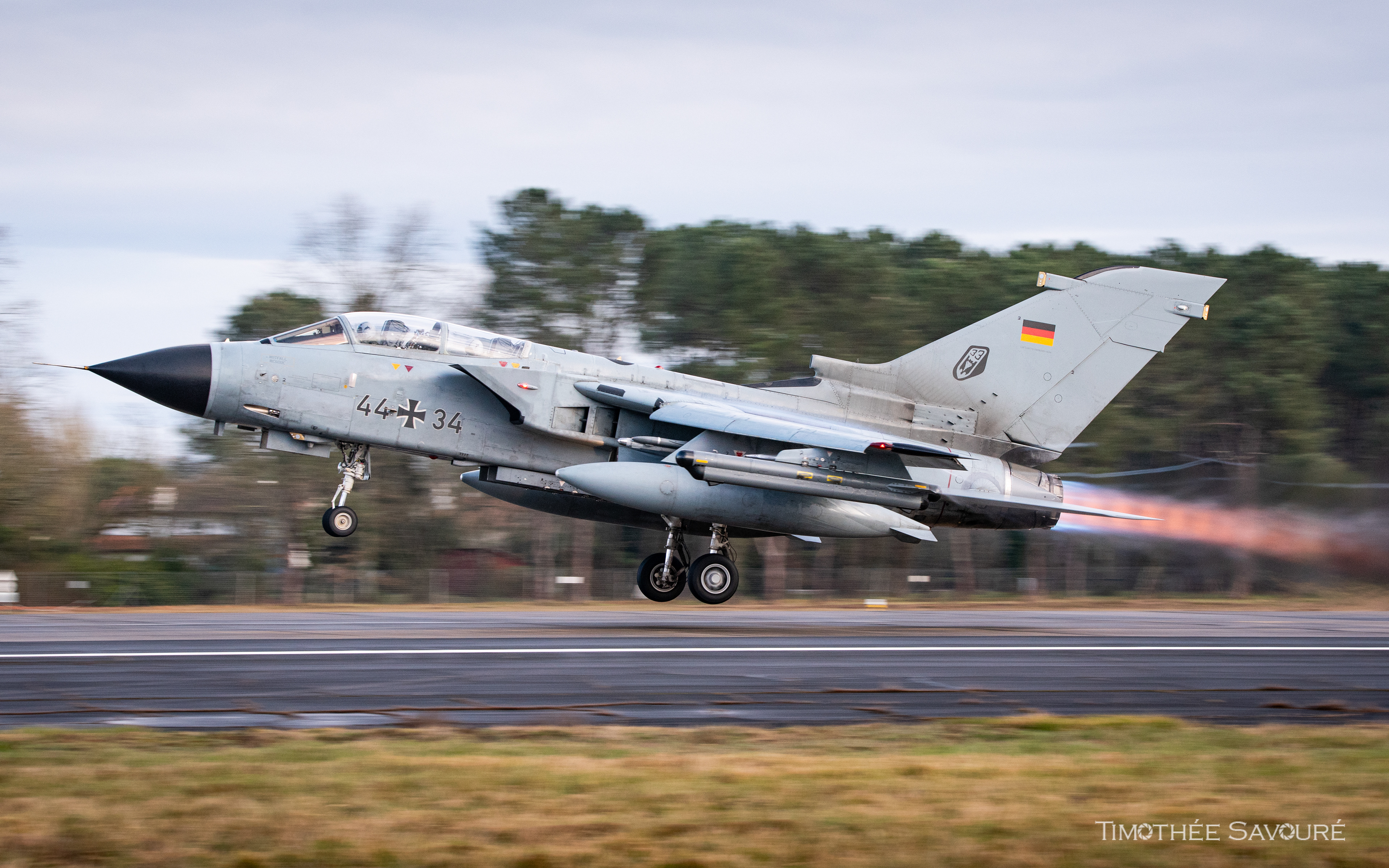
Luftwaffe Panavia Tornado IDS | TLG 33 | 44+34
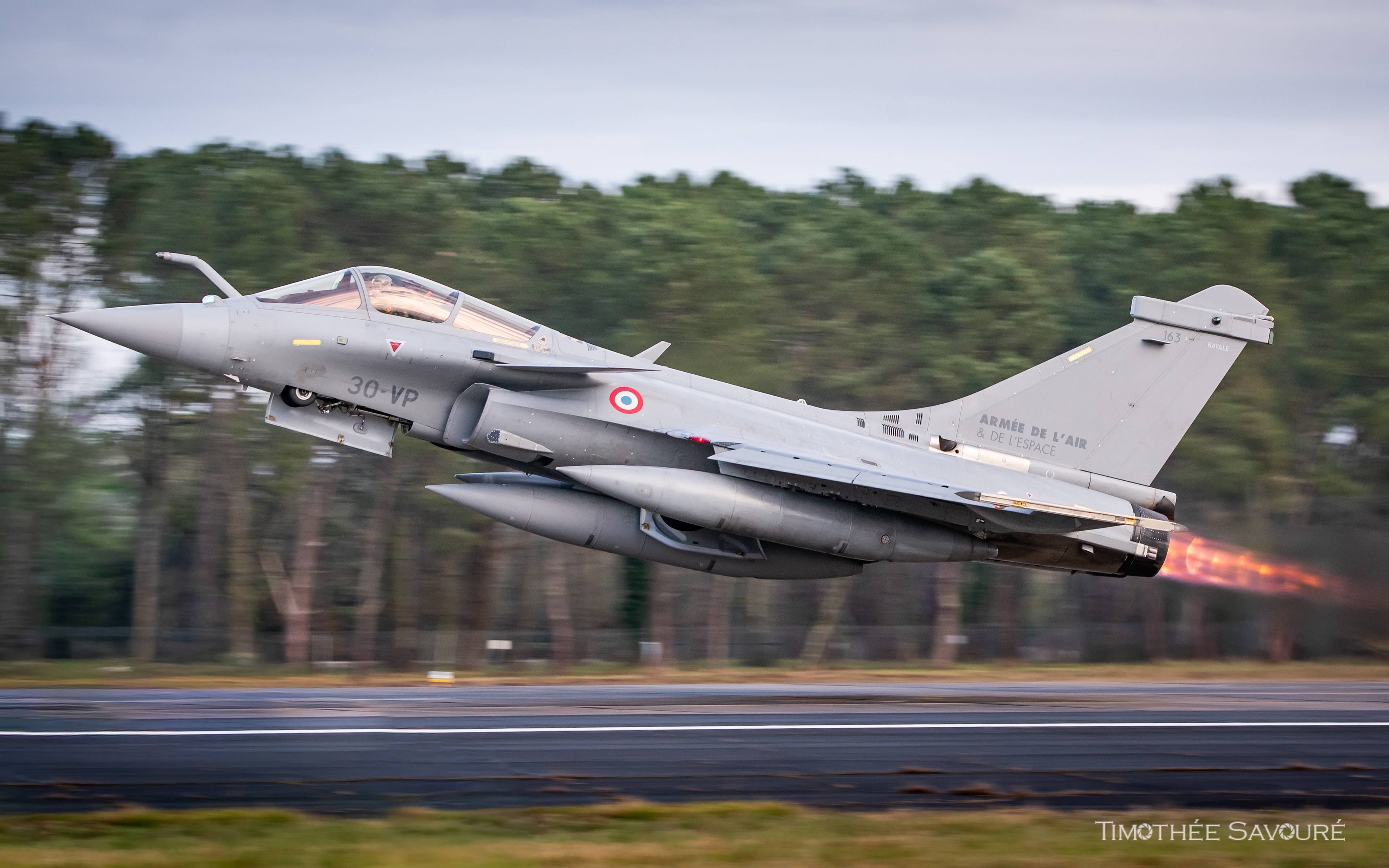
Armée de l'Air et de l'Espace Dassault Rafale C | 30ème Escadre | 163/30-VP
Phase O2 and Mont-de-Marsan Air Base
Throughout Phase O2 of ORION 26, the Base Aérienne 118 in Mont-de-Marsan served as the centre of the coalition’s air campaign, playing a decisive role in the battle for air superiority. Within the importance of France’s flagship high-intensity exercise, BA118 emerged as the primary air operations hub from which fighter missions were launched around the clock. Day and night, including weekends, aircraft generated a relentless operational tempo designed to replicate the demands of modern warfare.
From Mont-de-Marsan, fighter jets had two main training zones for ORION 2026. The first, known as Krypton, stretched across the Bay of Biscay over nearly 400 kilometres in length and a couple hundred kilometres in width, providing sufficient airspace for large-force employment and long-range engagements involving advanced weapons such as the MBDA Meteor beyond-visual-range missile. The second training area, designated Centre, extended from Mont-de-Marsan towards central France and the Auvergne region, allowing complex multi-axis operations involving fighters, airborne assets and ground forces.
The Landes-based air base hosted an impressive multinational deployment of more than thirty combat aircraft, once again showcasing the international dimension of ORION 26. Qatar deployed four Rafale EQ/DQ fighters from Flying Wing 6 at Tamim Air Base. Their participation alongside French Rafale units offered a valuable opportunity to enhance interoperability and share operating procedures.
Greece, another close strategic partner, participated with four Mirage 2000-5EG/BG fighters from the 331 Mira squadron based at Tanagra, while Germany deployed three Tornado IDS aircraft from TLG 33 at Büchel. Together, these aircraft integrated into a demanding operational environment designed to test coalition air operations under realistic combat conditions.
The French Air and Space Force fielded the largest contingent at BA118, with around twenty fighter aircraft drawn from across the country, belonging to every fighter wing of the French Air Force. These included Mirage 2000-5s from Luxeuil, Mirage 2000Ds from Nancy's 3ème Escadre, Rafales from Saint-Dizier and Orange, as well as aircraft from the local 30th Fighter Wing. Concentrated on a single air base, this diverse force package transformed Mont-de-Marsan into one of the busiest military airfields in Europe during the exercise, demonstrating France’s ability to rapidly generate and sustain a large-scale air combat effort in support of coalition operations.
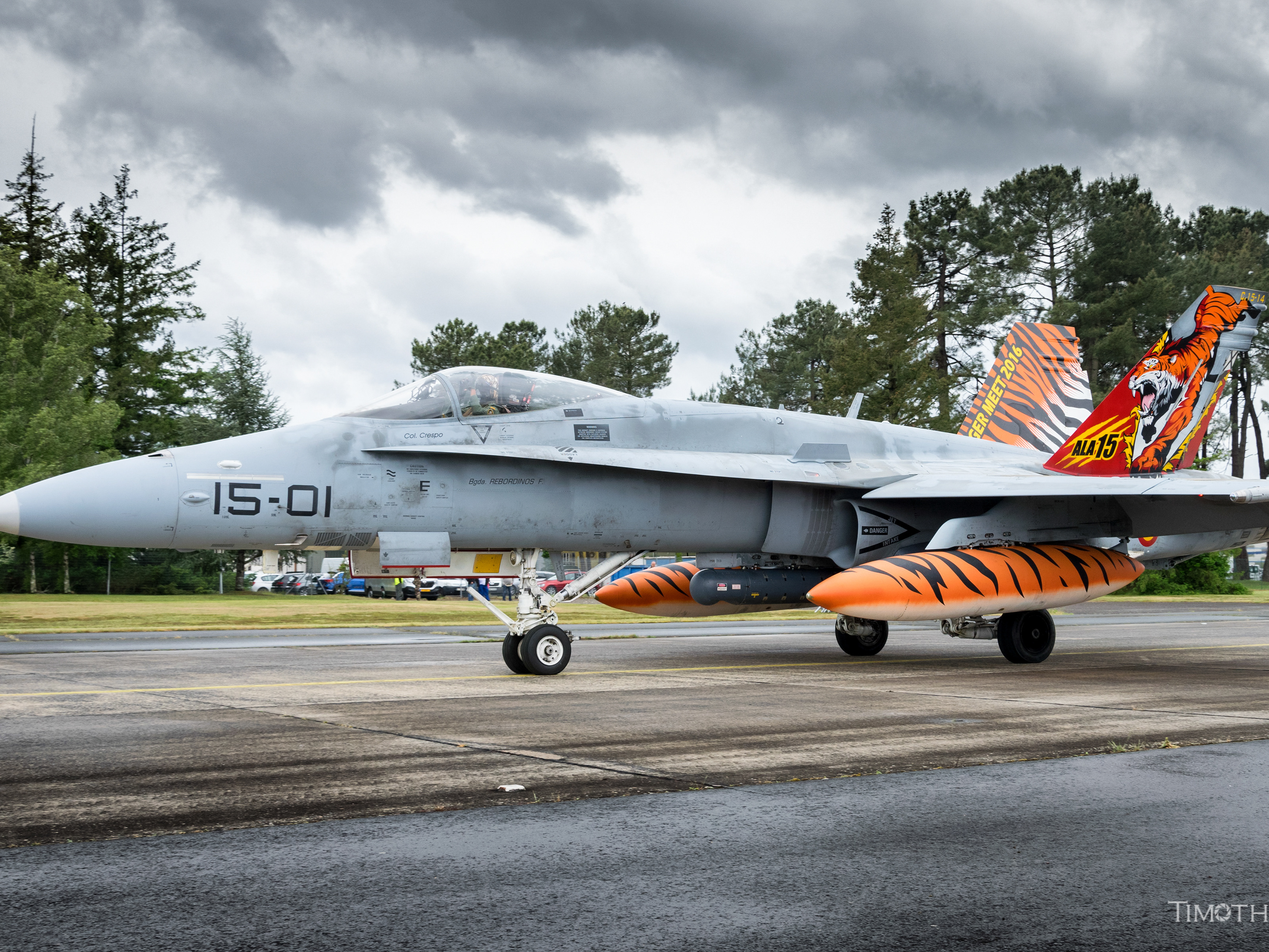
Mont-de-Marsan is used to organizing full-scale military exercises and welcoming dozens of aircraft. This strategic air base welcomes regular multinational trainings, as seen in the past, such as VOLFA every year, GARUDA in 2025 or NATO Tiger Meet in 2019.
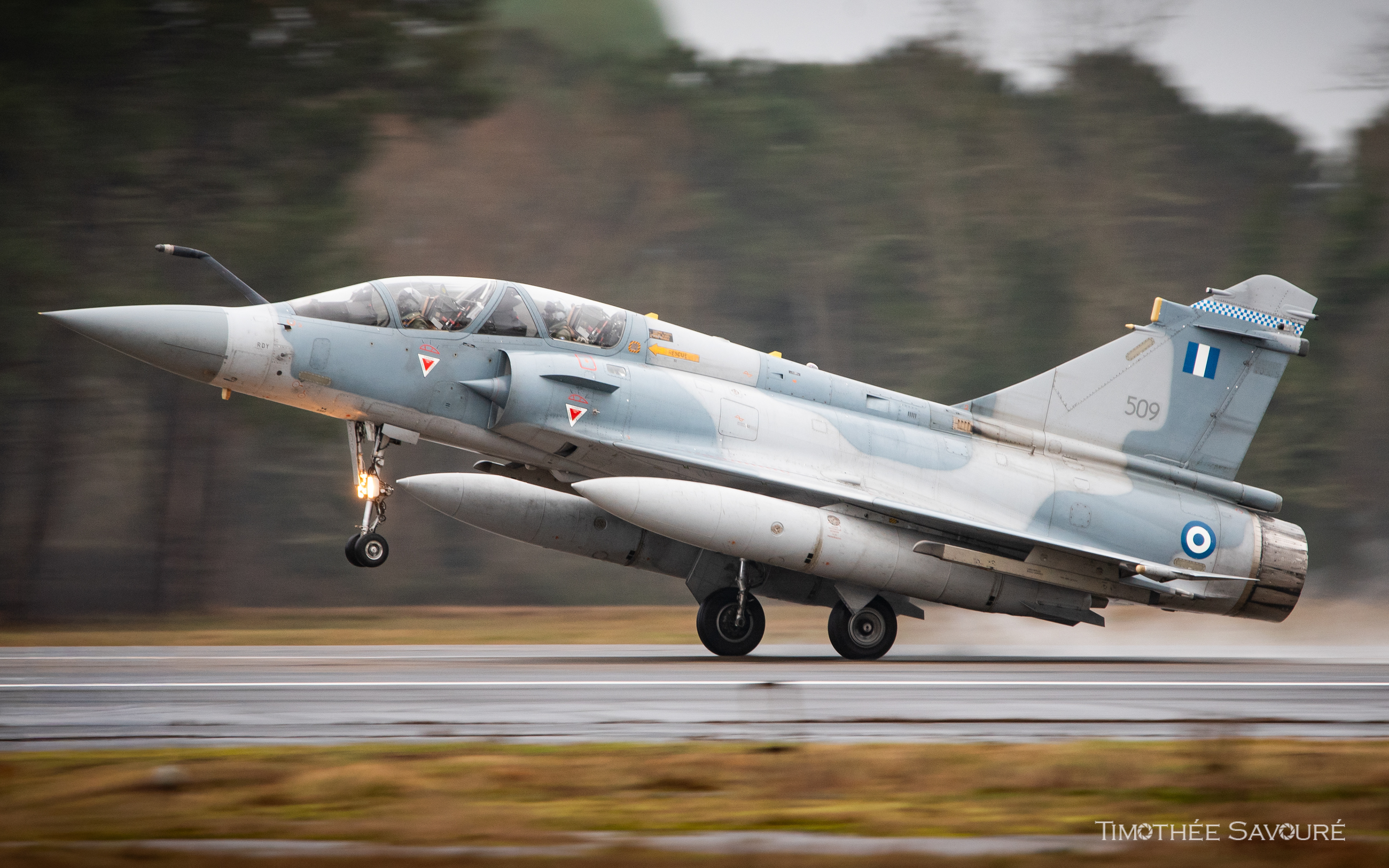
Hellenic Air Force Dassault Mirage 2000EG | 331 Mira | 509
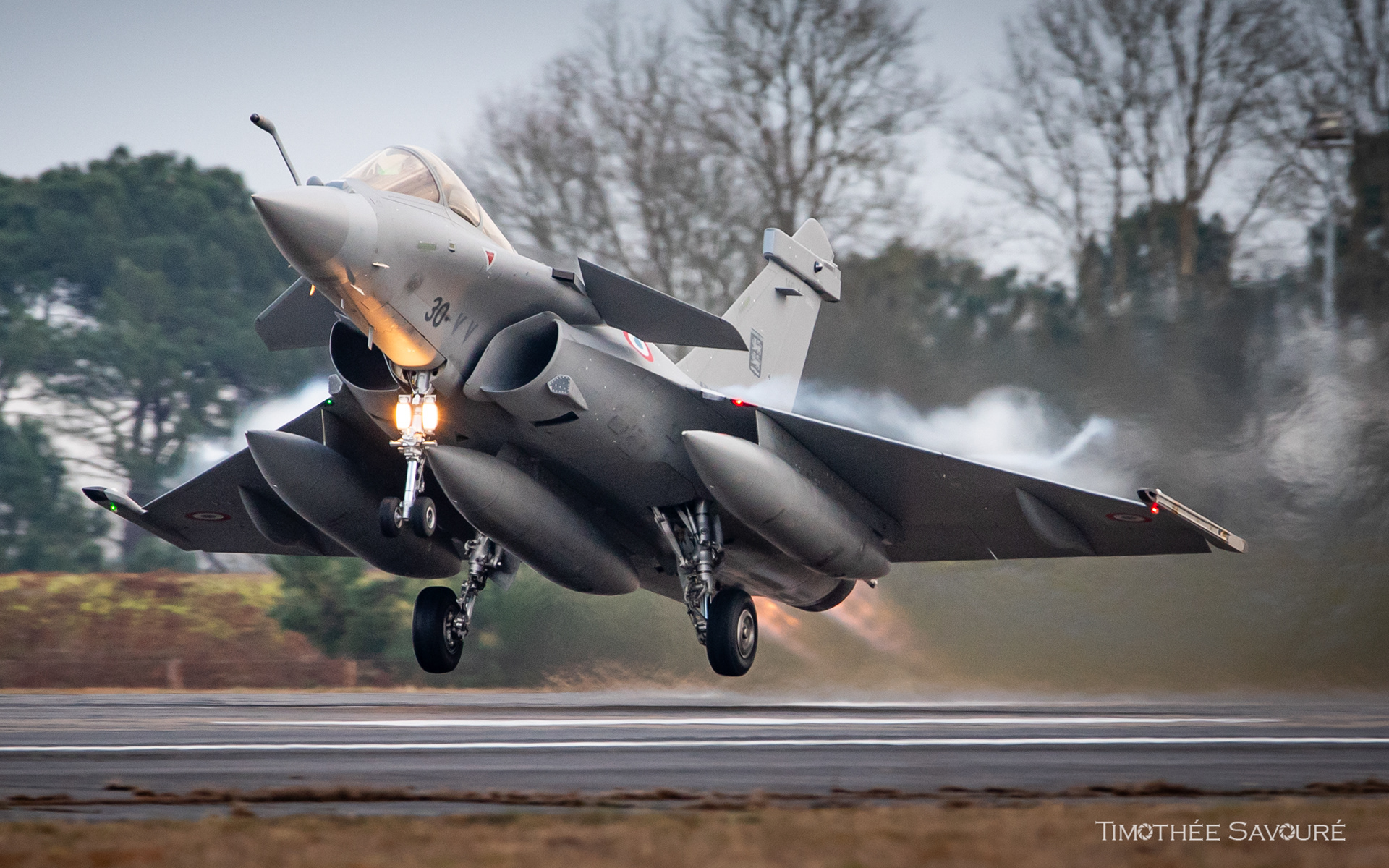
Armée de l'Air et de l'Espace Dassault Rafale C | Escadron 3/30 Normandie-Niémen | 169/30-VV
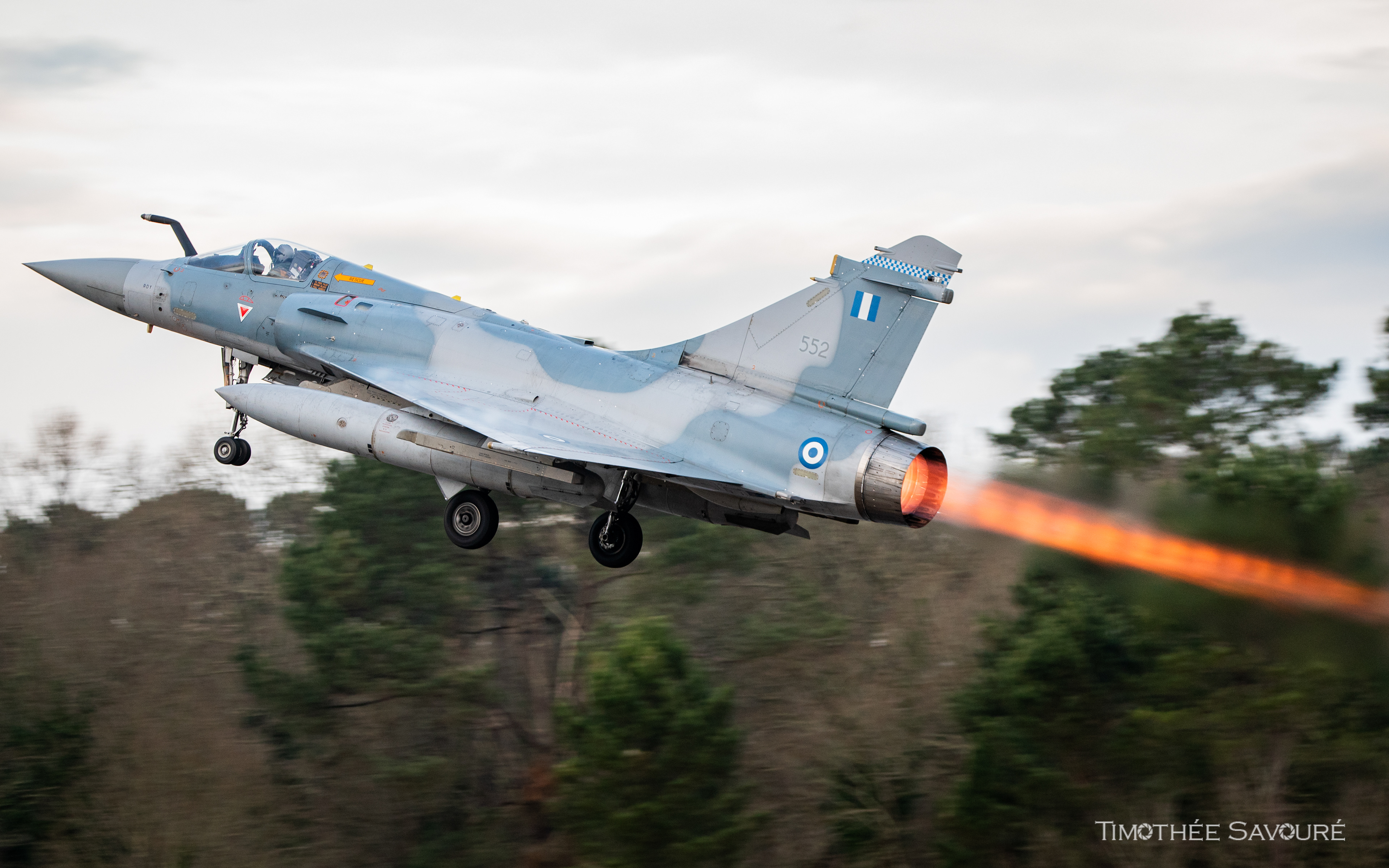
Hellenic Air Force Dassault Mirage 2000BG | 331 Mira | 552
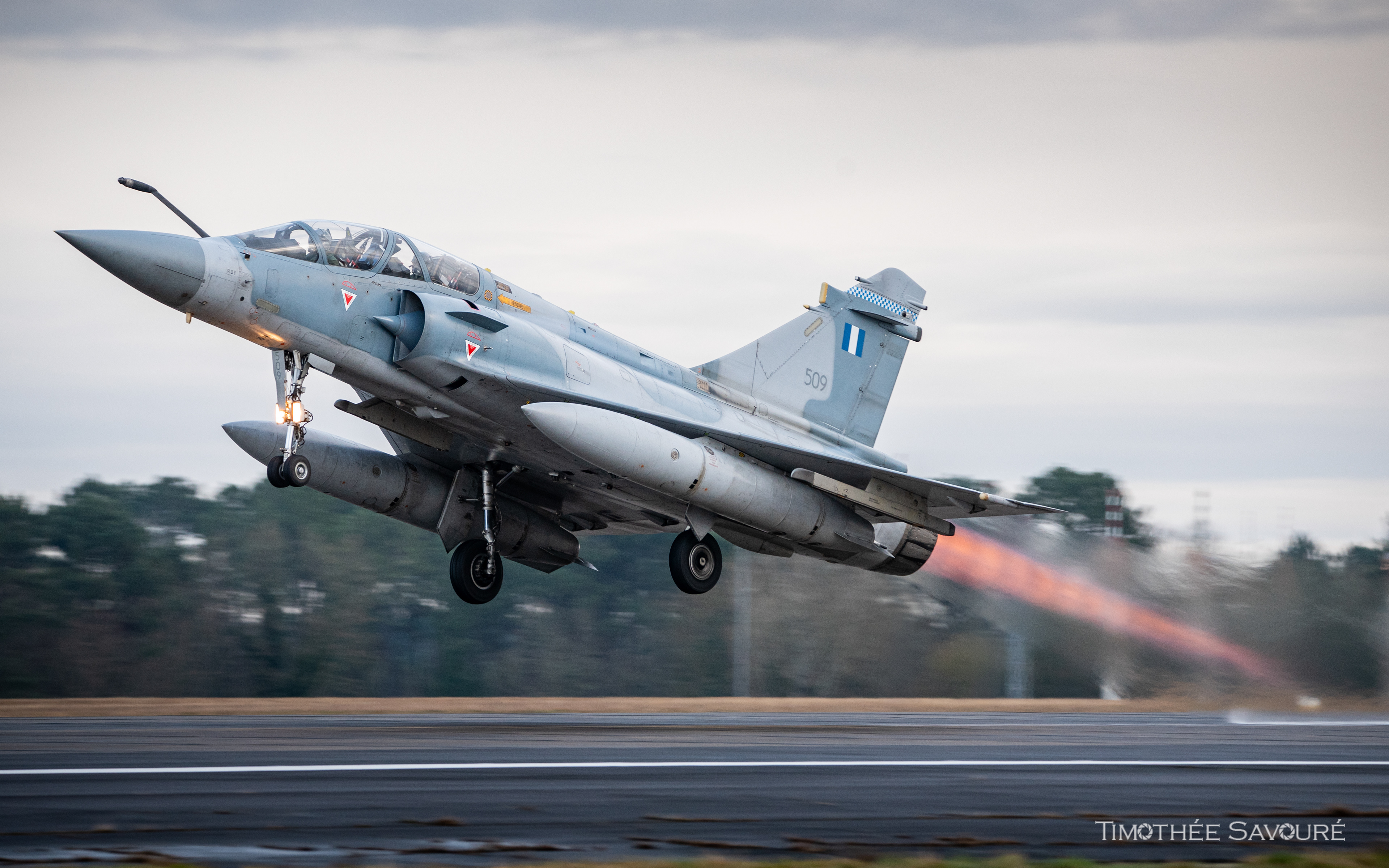
Hellenic Air Force Dassault Mirage 2000EG | 331 Mira | 509
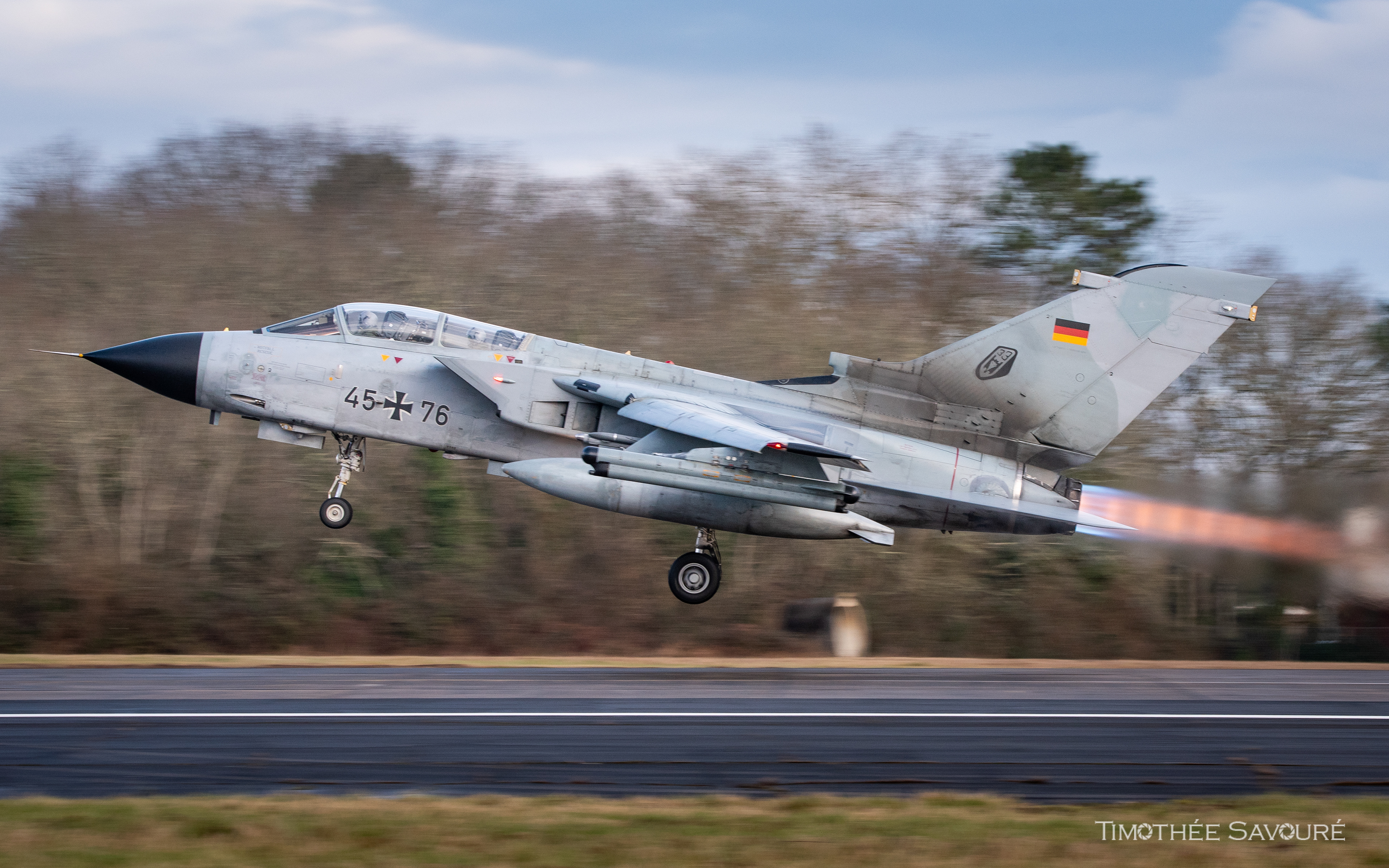
Luftwaffe Panavia Tornado IDS | TLG 33 | 45+76
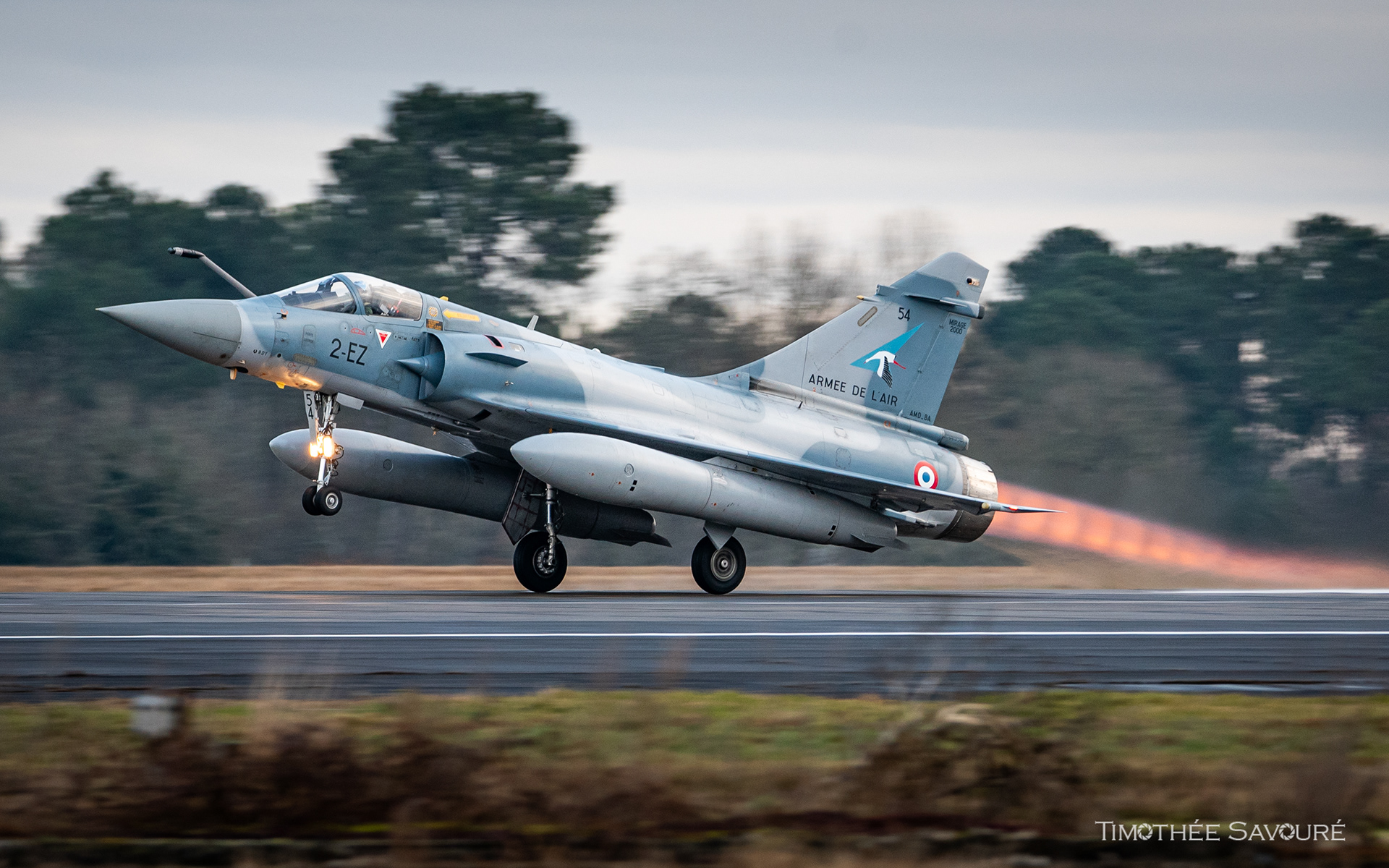
Armée de l'Air et de l'Espace Dassault Mirage 2000-5F | GC 1/2 Cigognes | 54/2-EZ
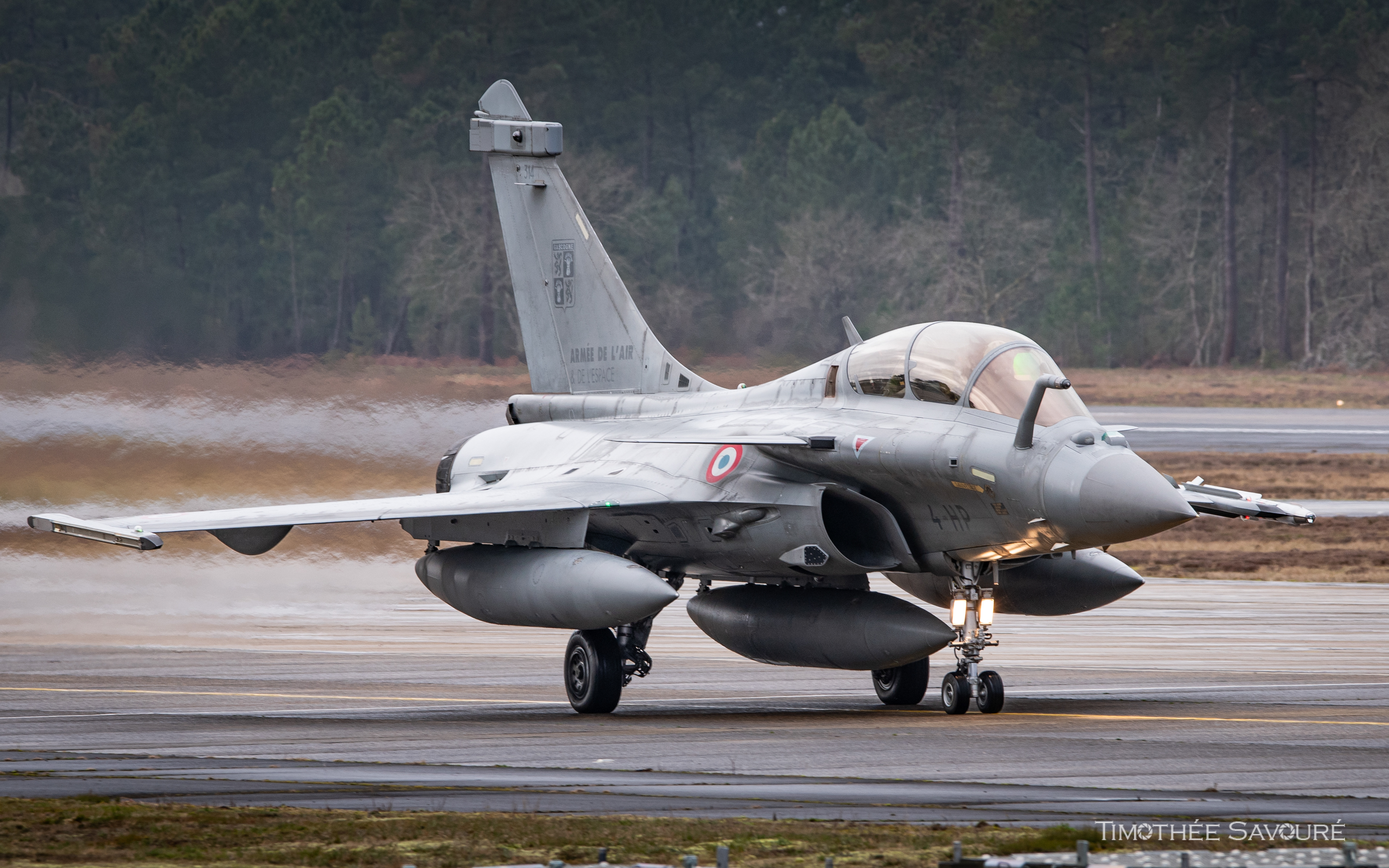
Armée de l'Air et de l'Espace Dassault Rafale B | EC 1/4 Gascogne | 314/4-HP
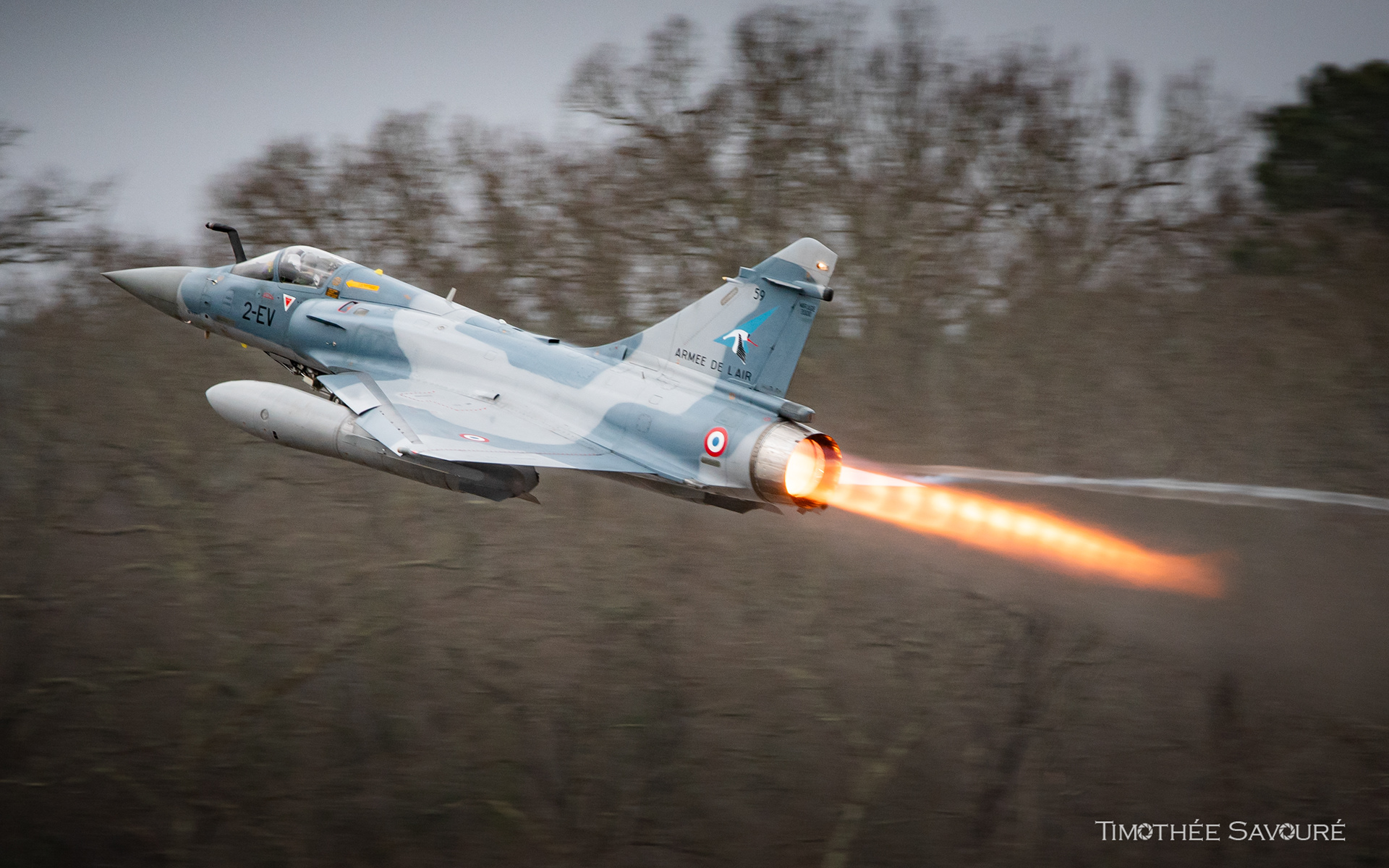
Armée de l'Air et de l'Espace Dassault Mirage 2000-5F | GC 1/2 Cigognes | 59/2-EV
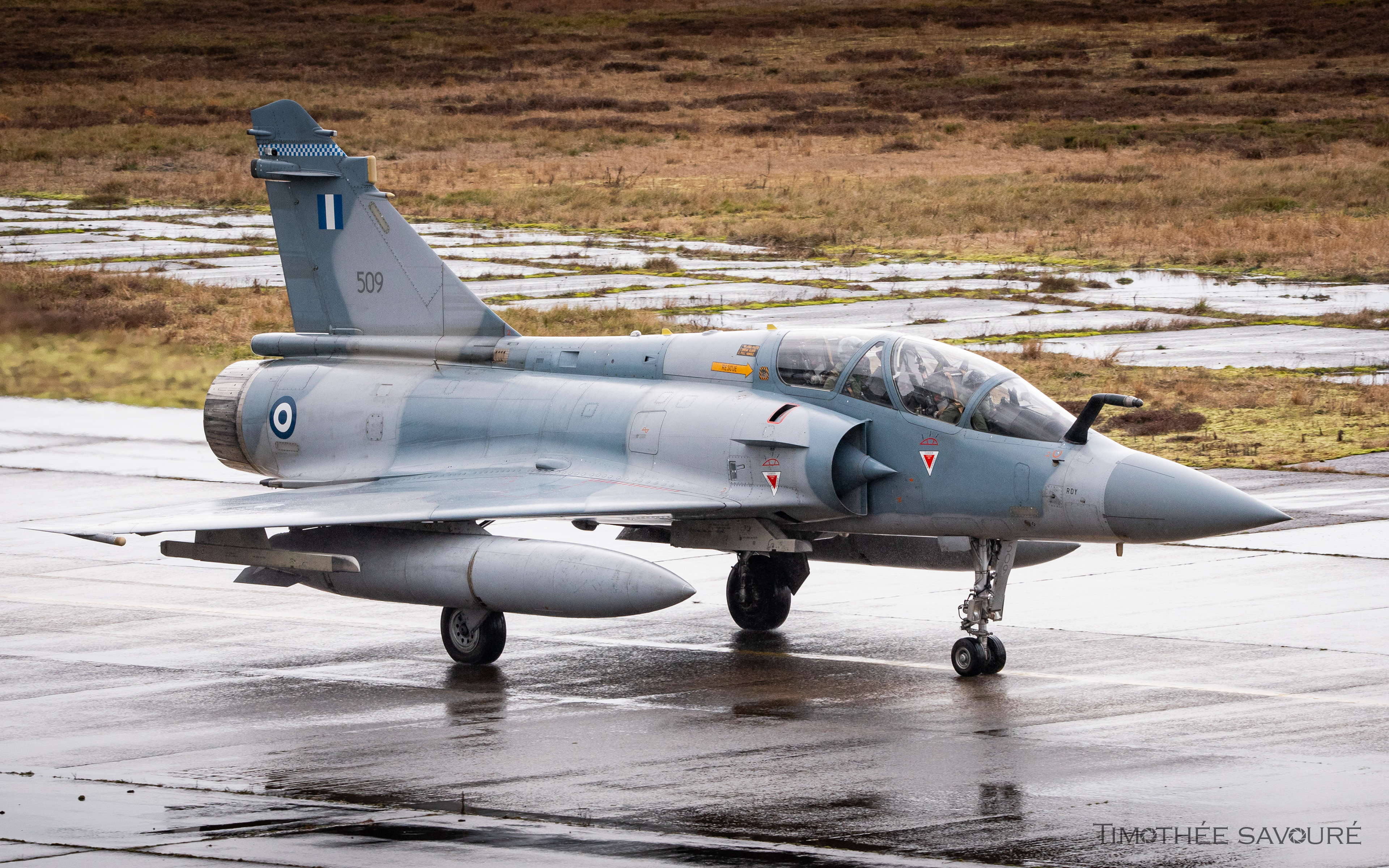
Hellenic Air Force Dassault Mirage 2000EG | 331 Mira | 509
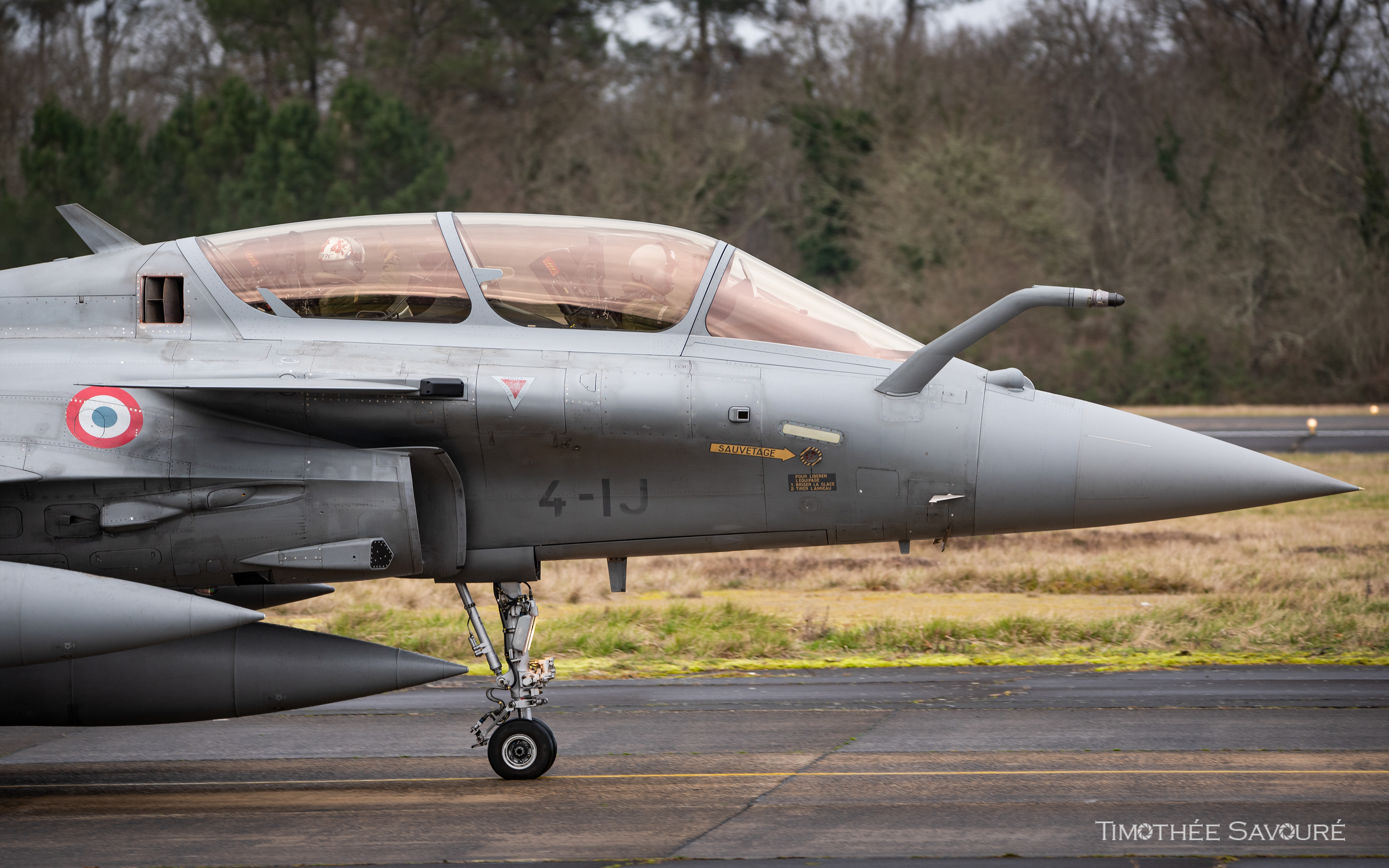
Armée de l'Air et de l'Espace Dassault Rafale B | EC 1/4 Gascogne | 335/4-IJ
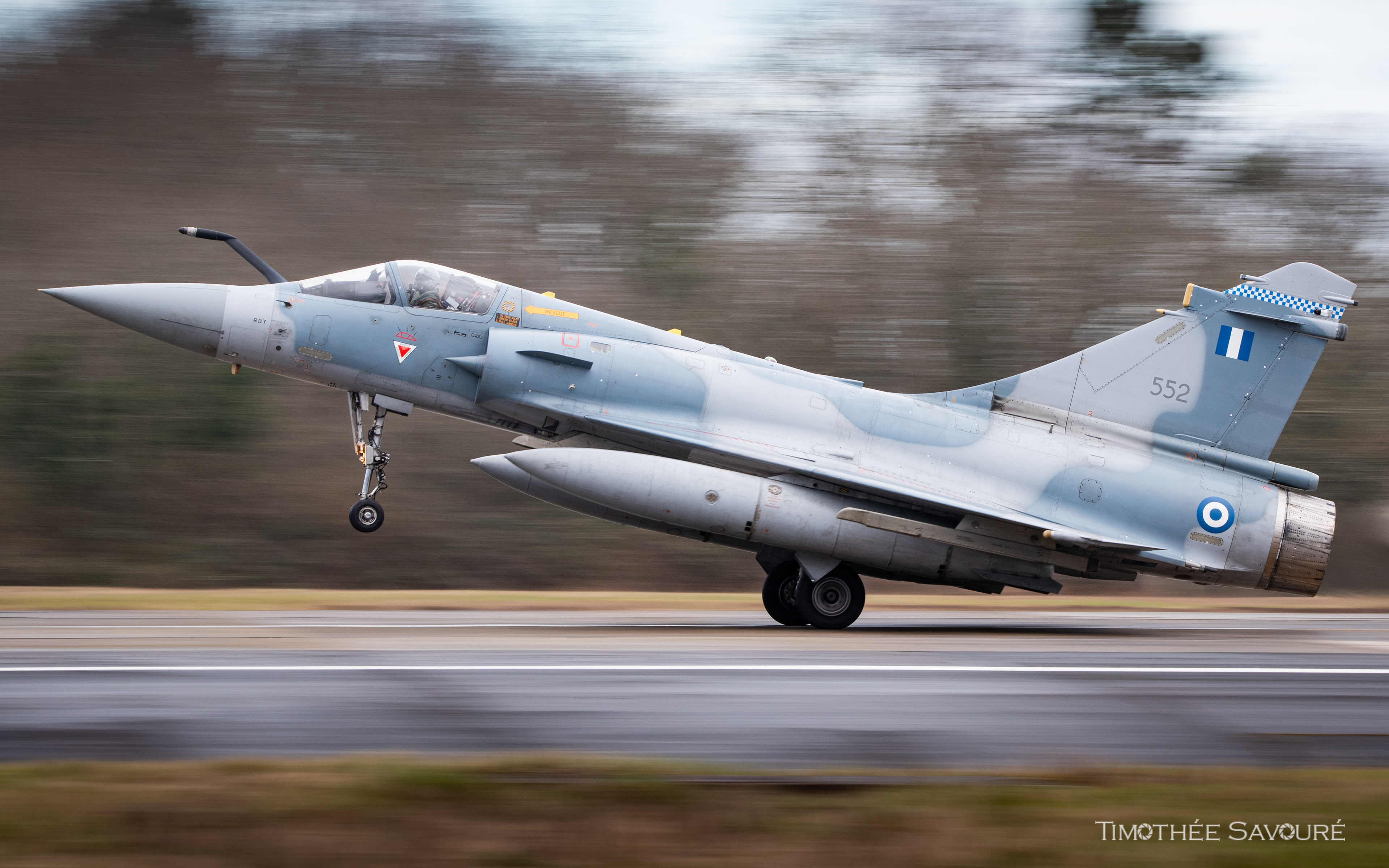
Hellenic Air Force Dassault Mirage 2000BG | 331 Mira | 552
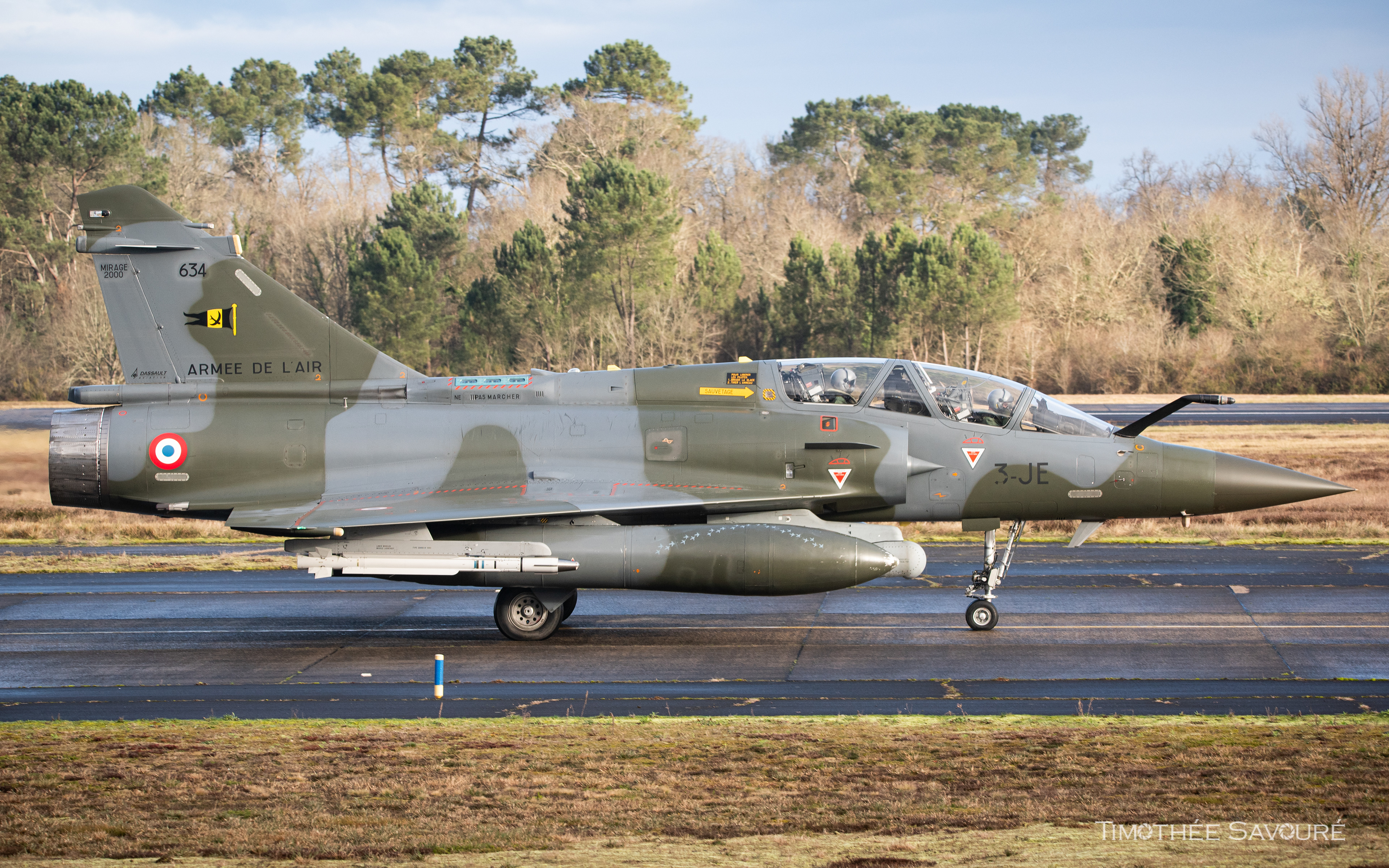
Armée de l'Air et de l'Espace Dassault Mirage 2000D | EC 1/3 Navarre | 634/3-JE
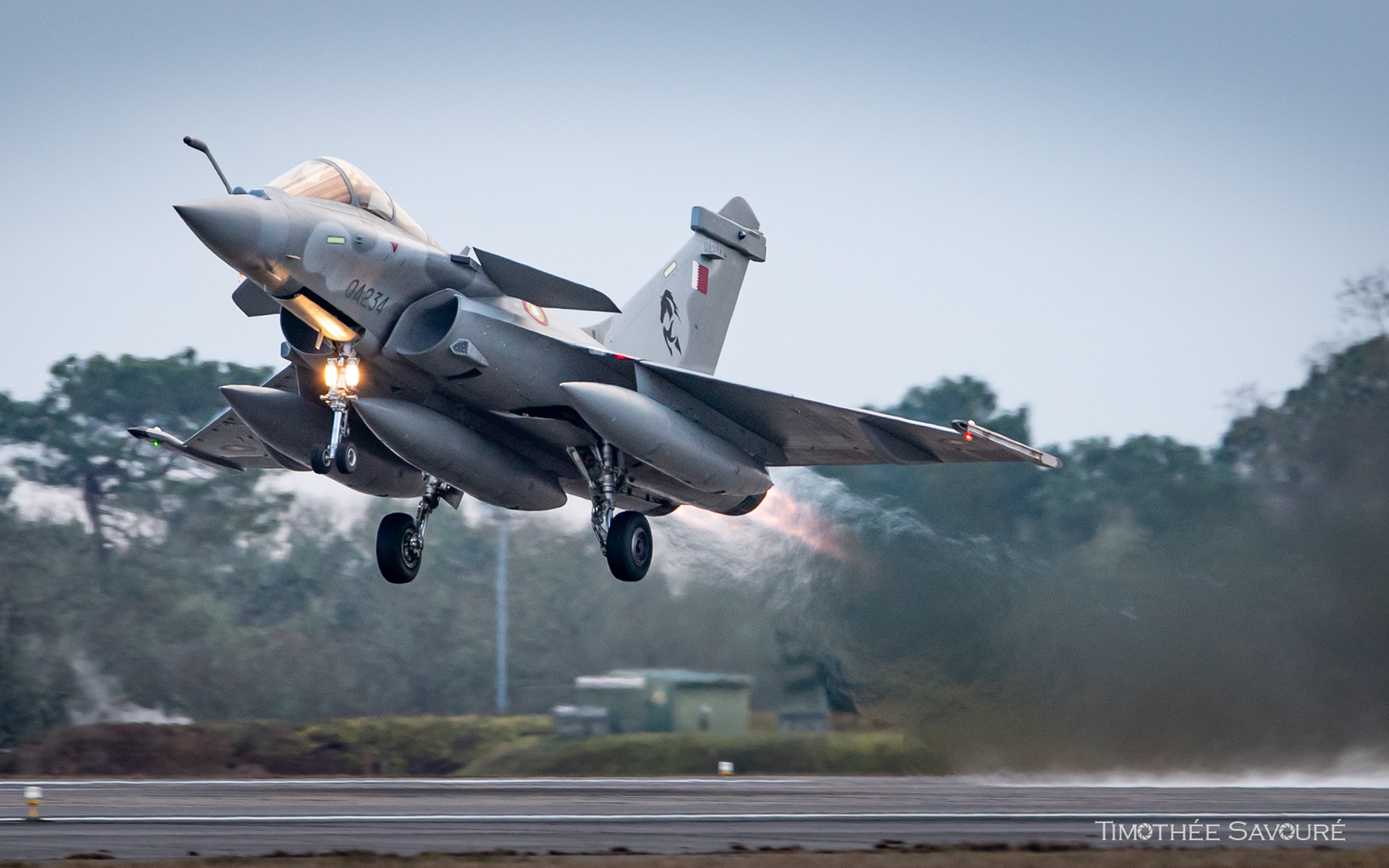
Qatar Emiri Air Force Dassault Rafale EQ | Flying Wing 6 | QA234
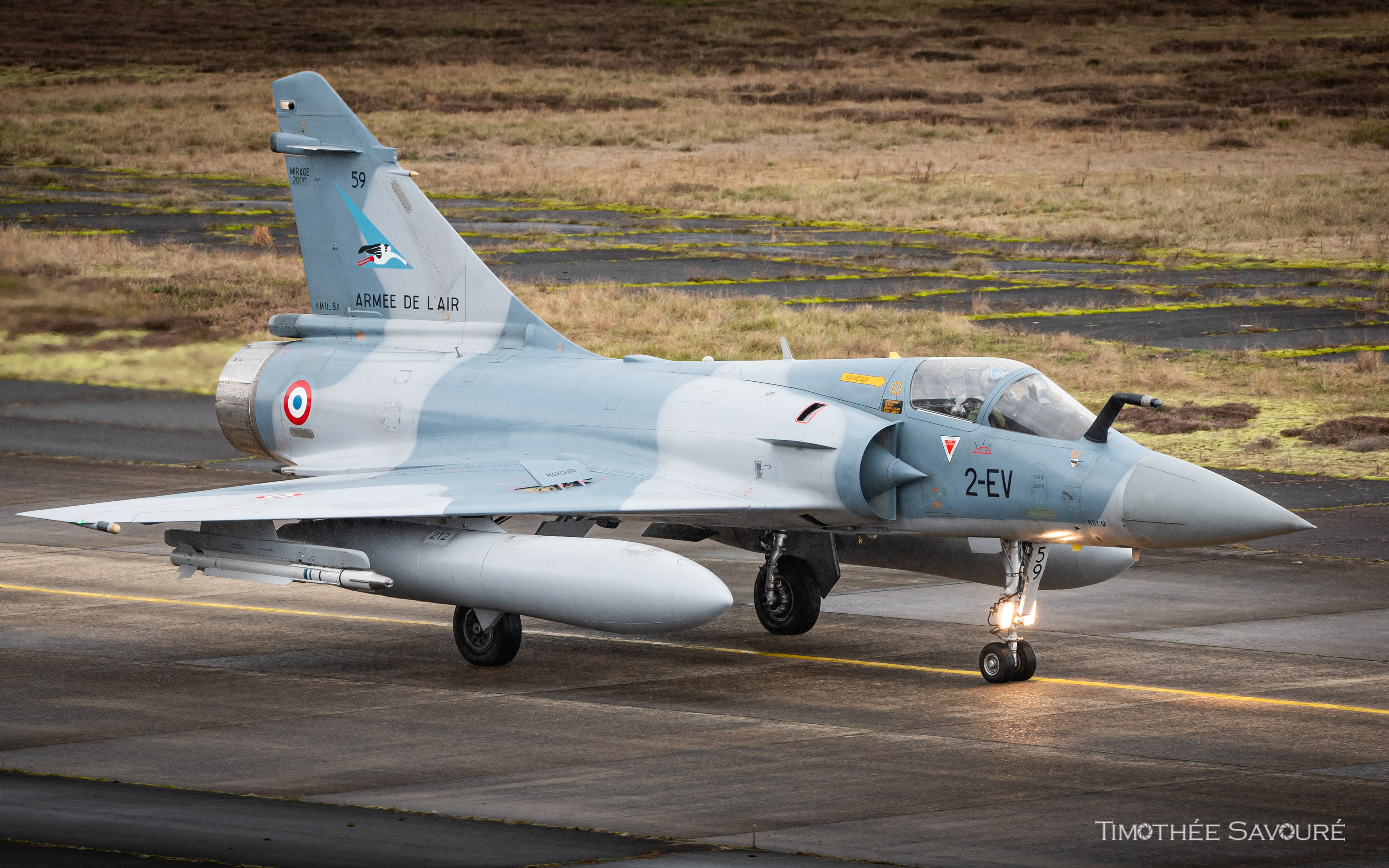
Armée de l'Air et de l'Espace Dassault Mirage 2000-5F | GC 1/2 Cigognes | 59/2-EV
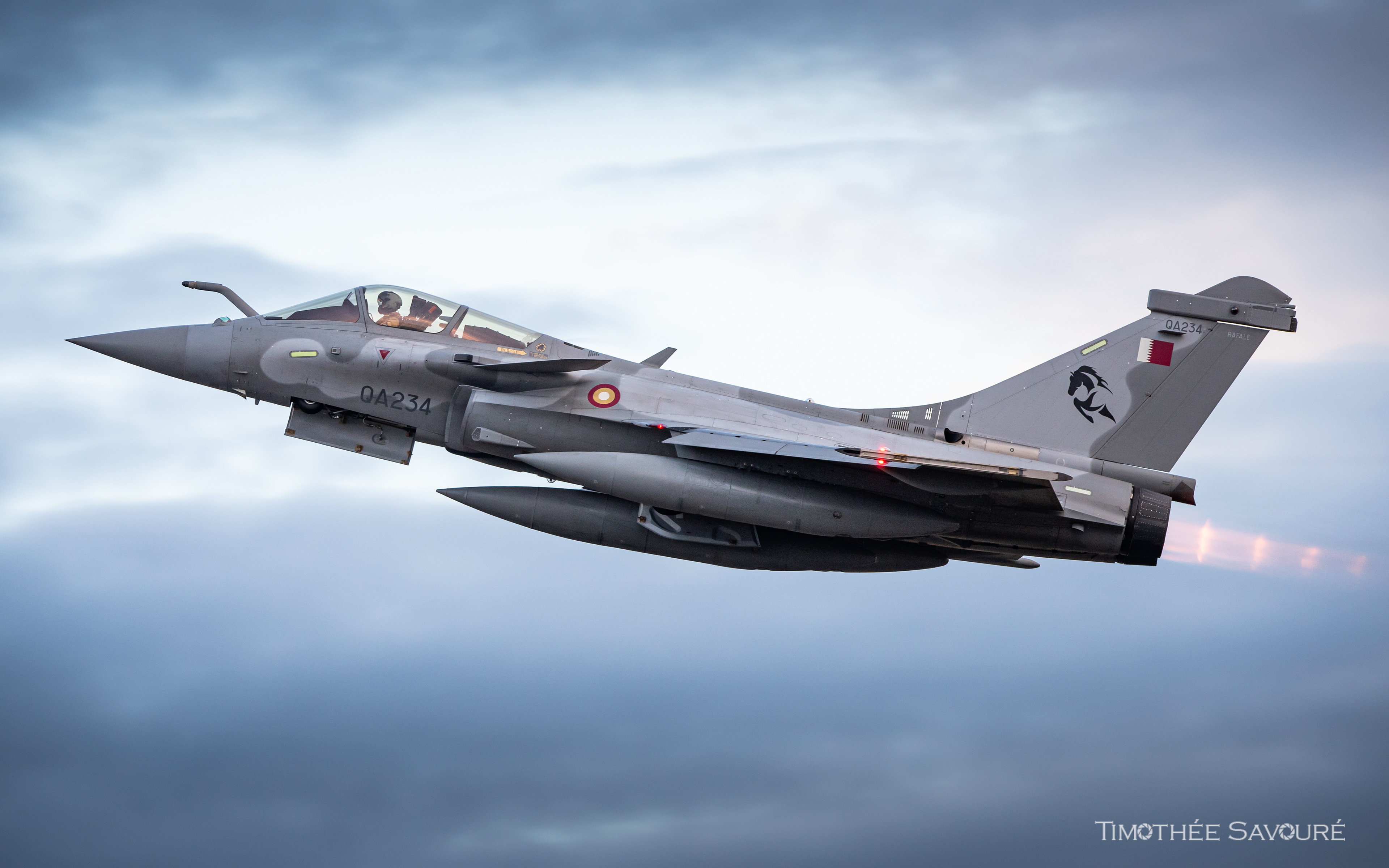
Qatar Emiri Air Force Dassault Rafale EQ | Flying Wing 6 | QA234
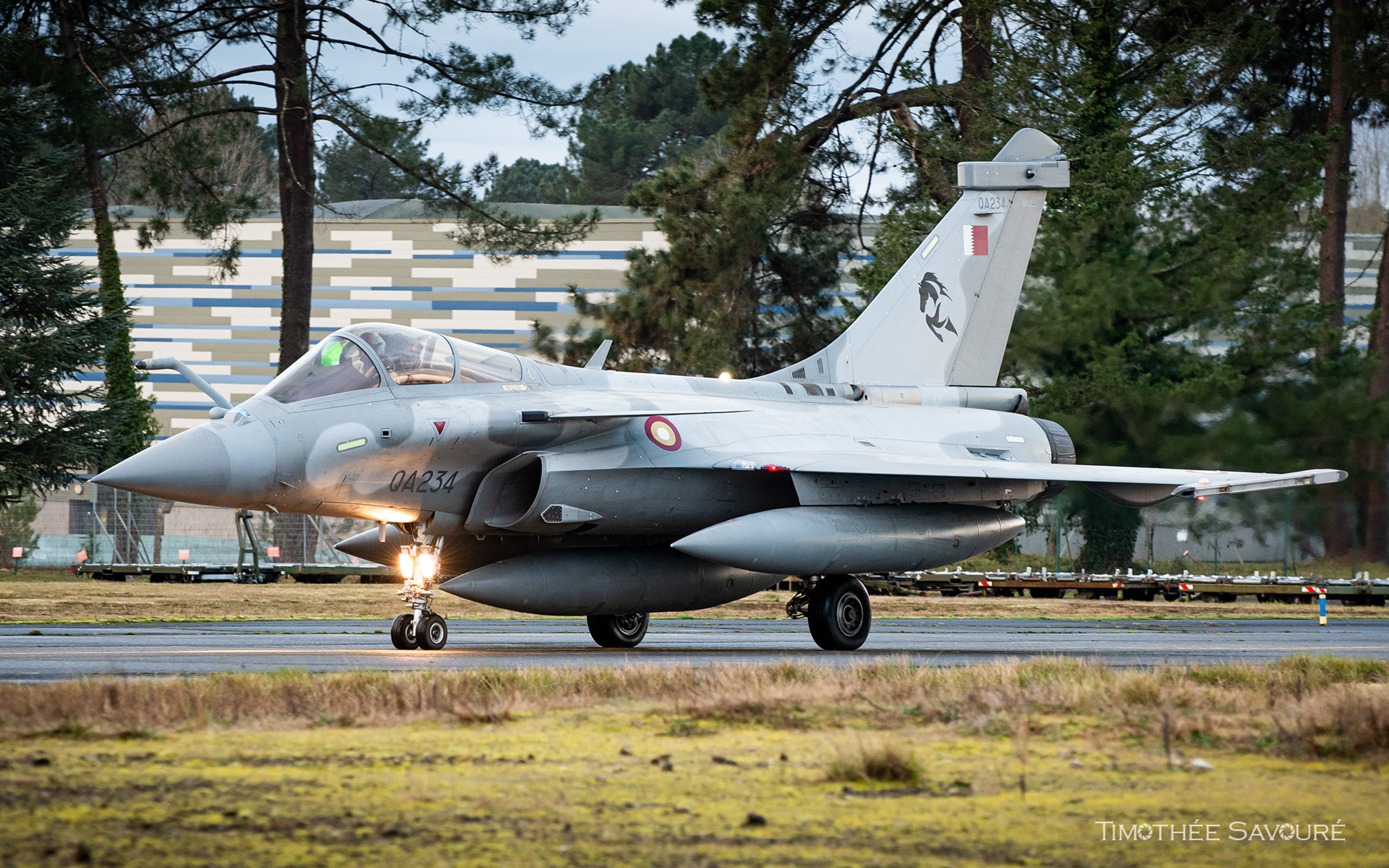
Qatar Emiri Air Force Dassault Rafale EQ | Flying Wing 6 | QA234
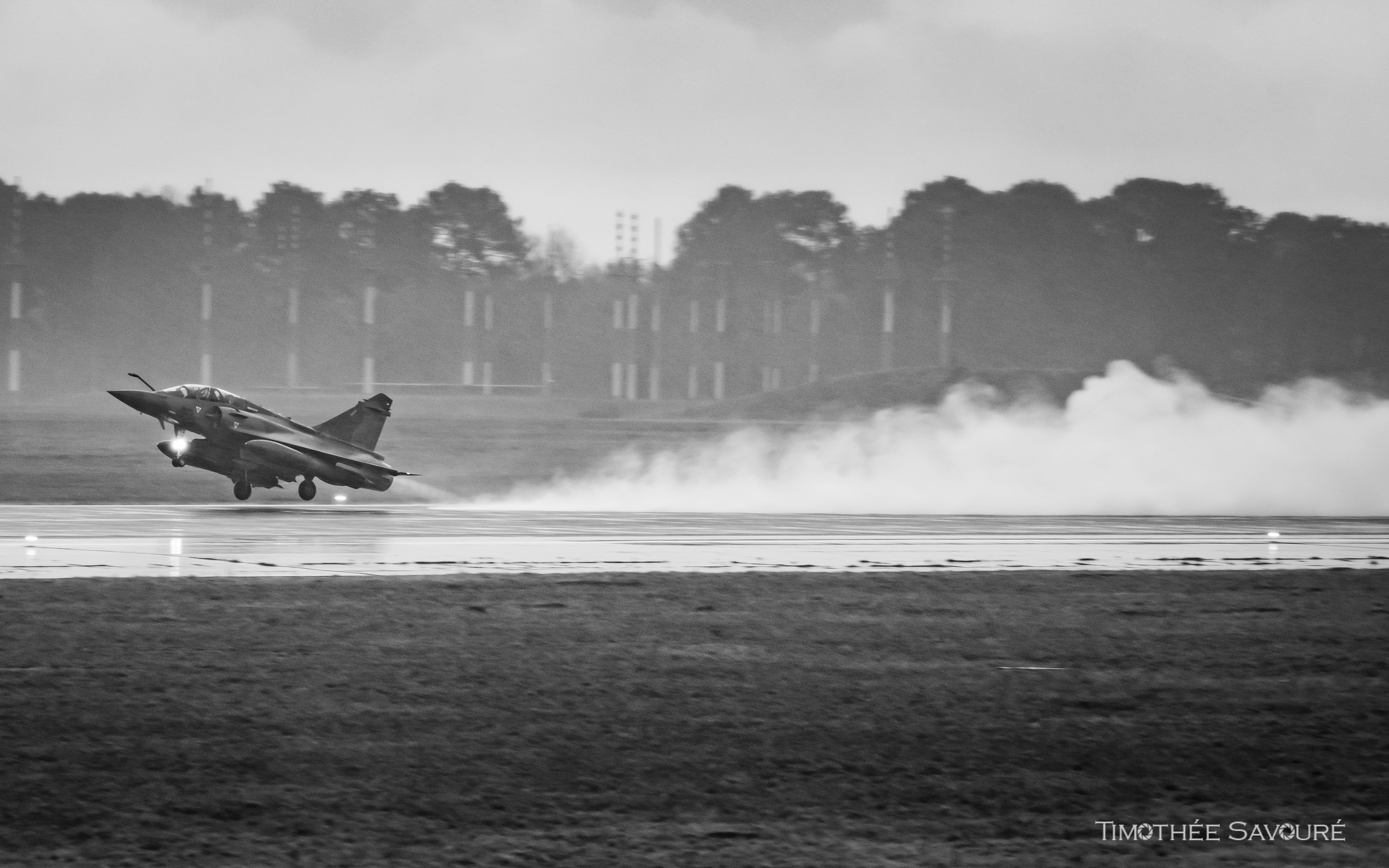
Armée de l'Air et de l'Espace Dassault Mirage 2000D | EC 1/3 Navarre | 678/3-JB
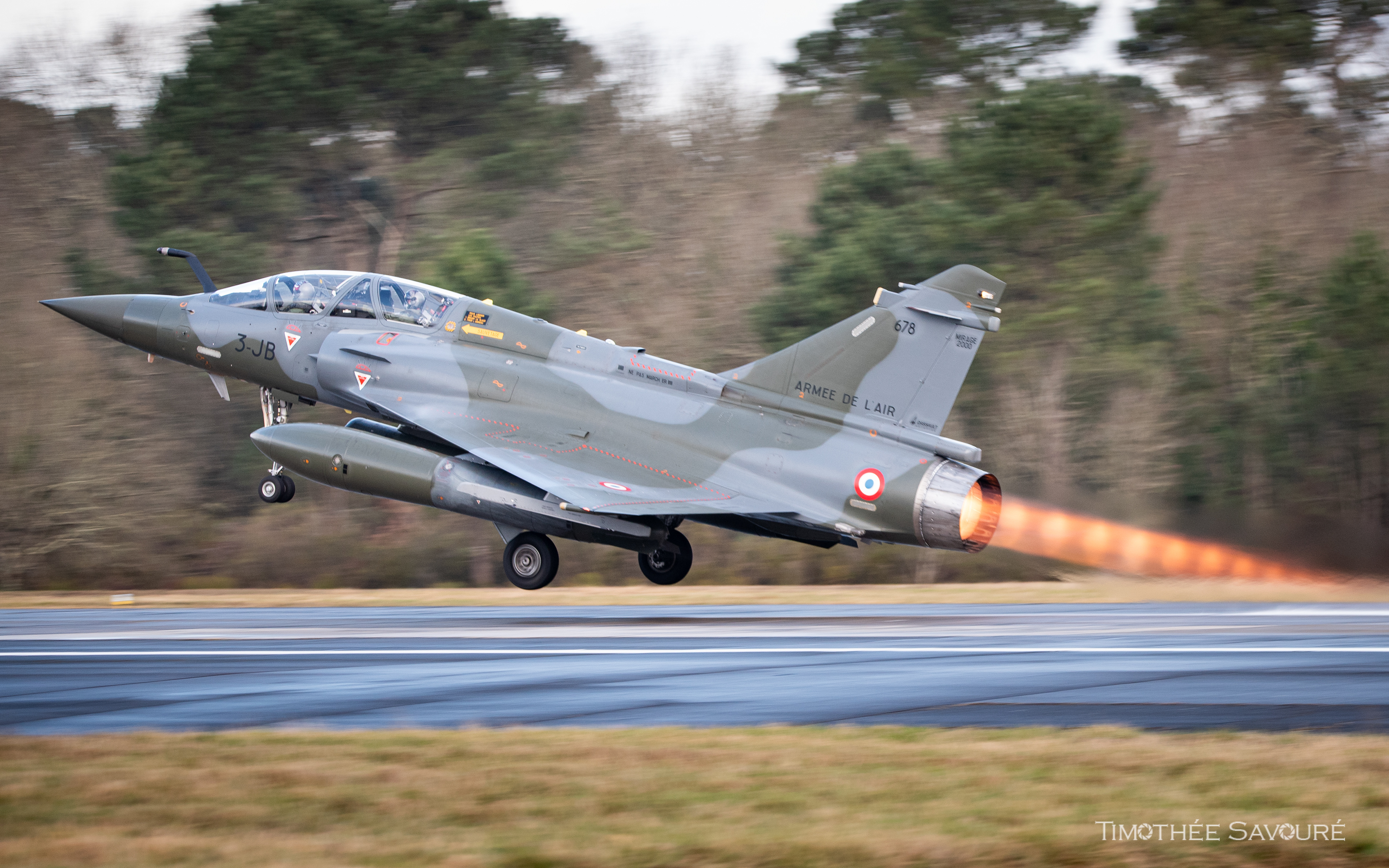
Armée de l'Air et de l'Espace Dassault Mirage 2000D | EC 1/3 Navarre | 678/3-JB
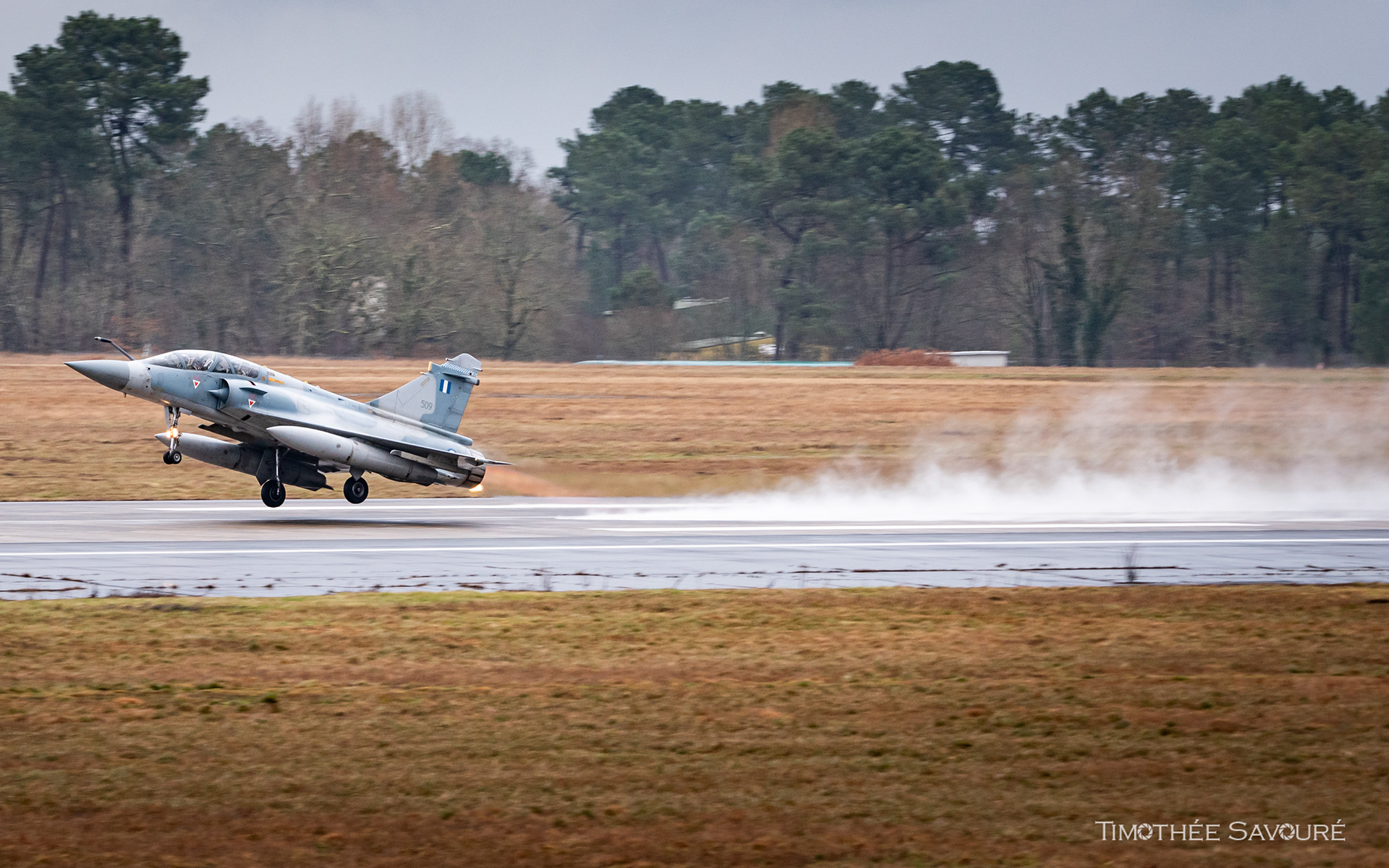
Hellenic Air Force Dassault Mirage 2000EG | 331 Mira | 509