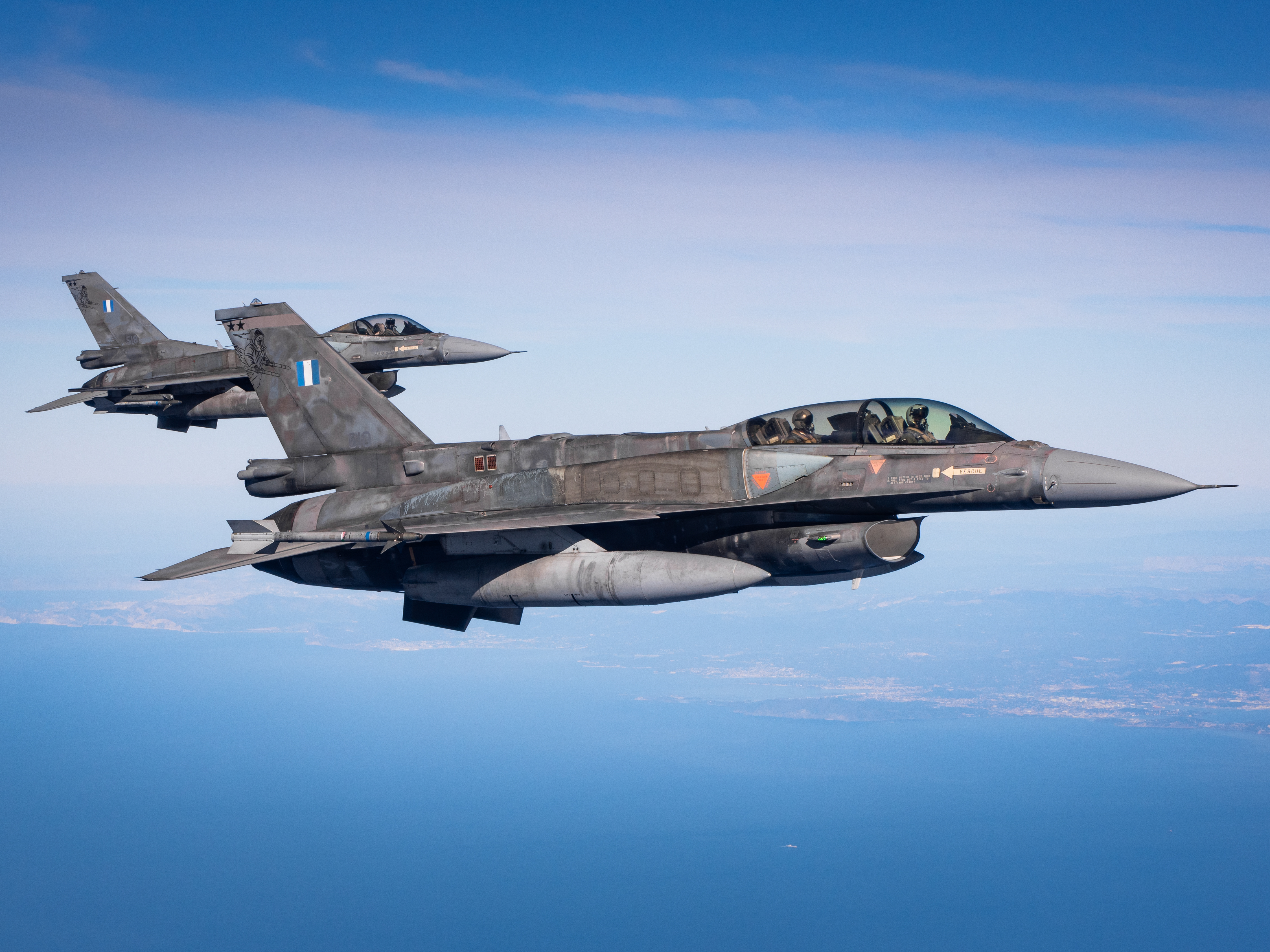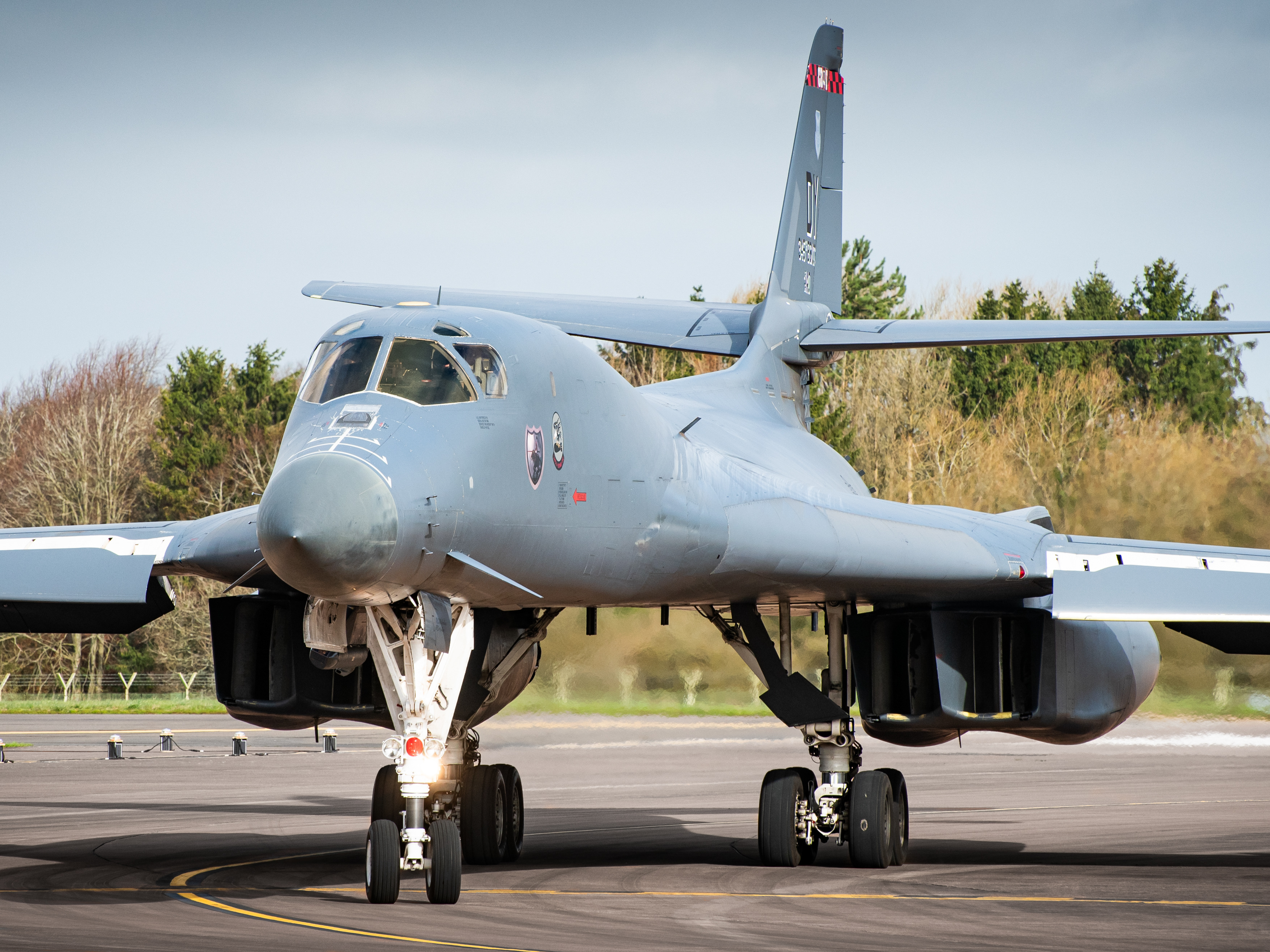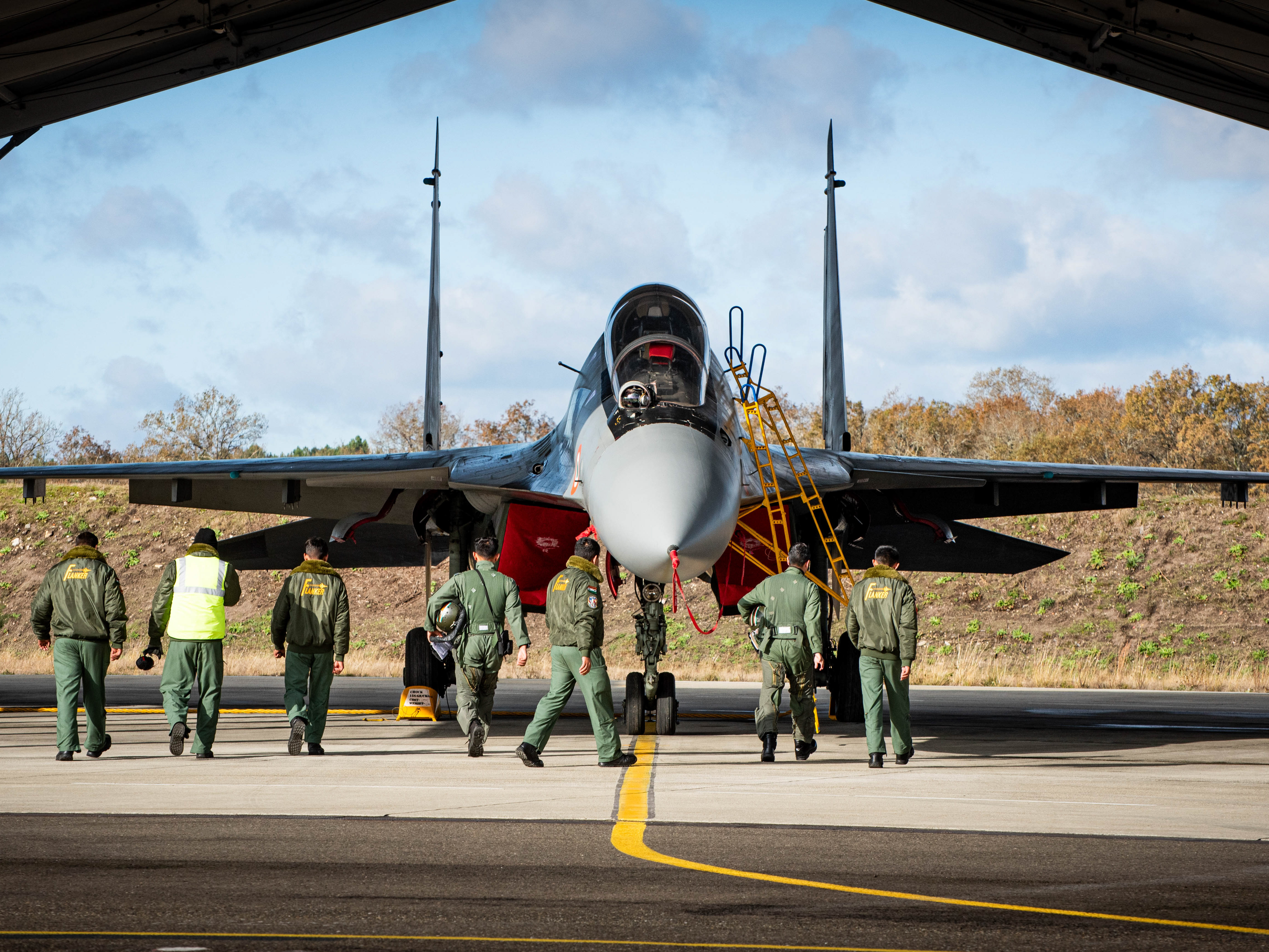
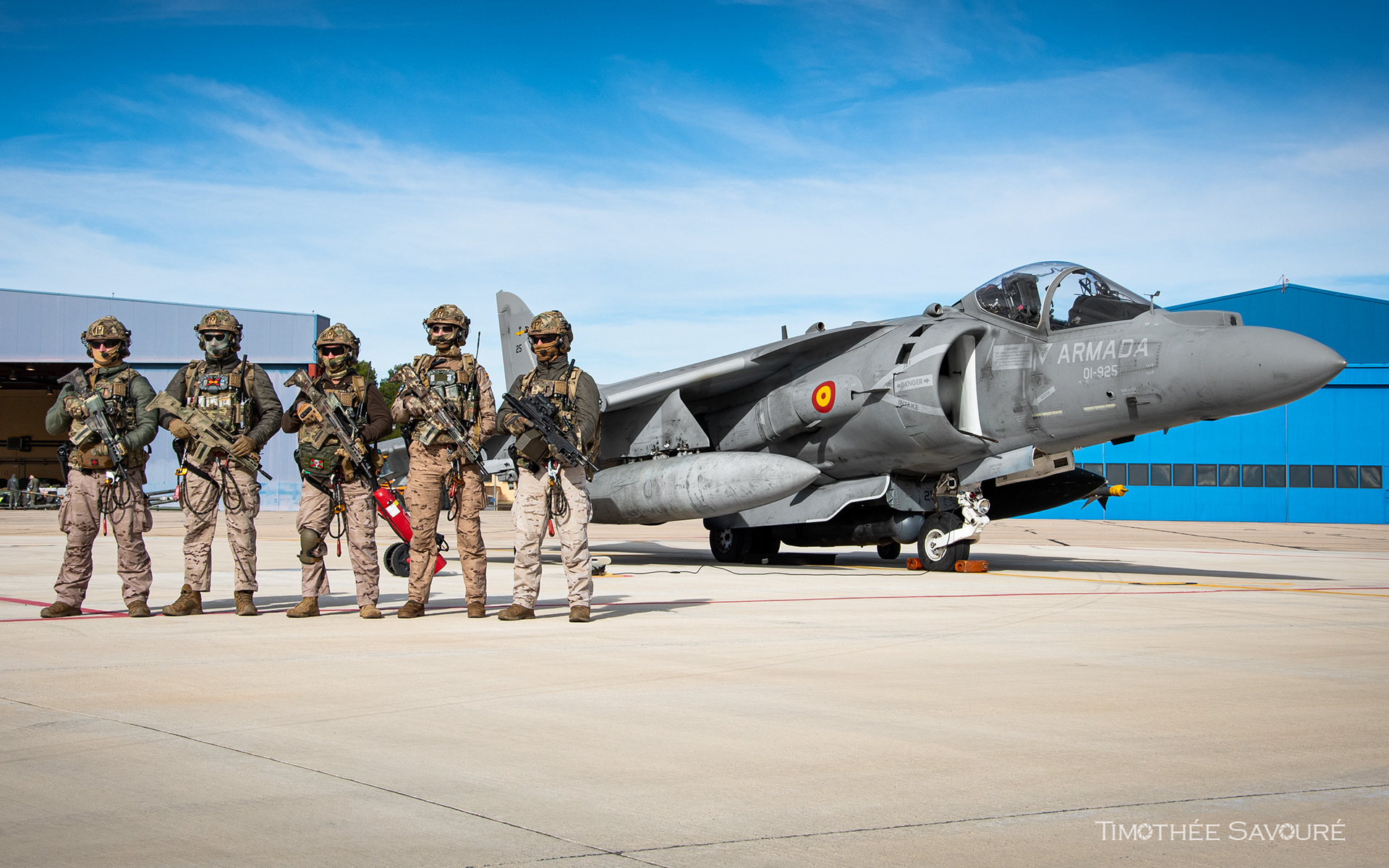
Tactical Leadership Programme (TLP) Flying Course 2025-4 was held from November 6 to 28 in Albacete Air Base, Spain. Jet Blast Area had the opportunity to participate in the multinational exercise, the third and last edition of the COMAO missions this year. Beyond the flight line, this access offered insight into the mindset and long-term vision that define the programme. Starting the day, a briefing was held in the TLP conference room with Colonel César Acabes, TLP Commander, who outlined the programme’s history and strategic importance.
The history of TLP
TLP was founded in 1978 at Fürstenfeldbruck, Germany, by six nations seeking to standardise air combat tactics and leadership during the Cold War. The rapid evolution of airpower and the need for deeper multinational integration led to successive relocations: Jever in 1979, followed by Florennes in 1989, a move that coincided with the arrival of new partner nations and an expansion of the programme’s scope.
A turning point occurred in 2002, when Spain became a permanent member and TLP was officially incorporated into the SHAPE NATO Training Programme, cementing its role within the Alliance’s training architecture. Since 2009, TLP has been permanently based at Albacete Air Base, where geography, airspace availability and infrastructure have allowed the programme to reach an unprecedented level of realism. Until 2025, TLP was supported by 11 permanent member nations—Belgium, Denmark, France, Germany, Greece, Italy, the Netherlands, Portugal, Spain, the United Kingdom and the United States. During Flying Course 2025-4, a ceremony marked Sweden’s future integration in 2026 as the 12th permanent member, underlining NATO’s continued expansion and the willingness to share innovation, technology and operational expertise across the Alliance.
A turning point occurred in 2002, when Spain became a permanent member and TLP was officially incorporated into the SHAPE NATO Training Programme, cementing its role within the Alliance’s training architecture. Since 2009, TLP has been permanently based at Albacete Air Base, where geography, airspace availability and infrastructure have allowed the programme to reach an unprecedented level of realism. Until 2025, TLP was supported by 11 permanent member nations—Belgium, Denmark, France, Germany, Greece, Italy, the Netherlands, Portugal, Spain, the United Kingdom and the United States. During Flying Course 2025-4, a ceremony marked Sweden’s future integration in 2026 as the 12th permanent member, underlining NATO’s continued expansion and the willingness to share innovation, technology and operational expertise across the Alliance.
Nowadays, TLP is one of the few multinational training centers in the world, with Nellis' hosted Red Flag and Anatolian Eagle in Konya, Türkiye. For Jet Blast Area's report about the 2023 edition of the Turkish exercise, click the link here.
TLP 2025-4: A Multinational Exercise at Full Scale
The Flying Course 2025-4 was one of the three annual flying courses organised by TLP, each lasting three weeks and structured around 12 progressively complex missions. From the first day, participants were immersed in a demanding operational rhythm combining mission planning, live-fly sorties and exhaustive debriefings, mirroring the tempo of real-world operations.
The nations participating in the Blue side of this flying course contributed 20 aircraft, including Eurofighter aircraft from Italy and Spain, AV-8B+ Harrier STOL fighters from Spain, F-16 aircraft from Turkey and Romania, German Tornados, and French Mirage 2000D and 2000-5 aircraft. As for the opposing side (Red Air), a total of nine aircraft flew for each mission, with the participant nations being France with Mirage 2000D and 2000-5F, Spain with Eurofighter and F-18, and Turkey with F-16. The air campaign was reinforced by a wide array of support assets, including an Italian C-27J Spartan, Spanish C295, an electronic warfare jammer, a Spanish NH90 helicopter for SAR missions, and a NATO E-3A AWACS to provide C2 role. This broad mix of assets allowed Mission Commanders to train in the coordination of fighters, enablers and command-and-control platforms within large-scale Composite Air Operations (COMAO).
The realism of the course was further enhanced by Albacete’s airspace, described by Colonel Acabes as unique in Europe. Its size, larger than the Red Flag training area, combined with access to low-level and supersonic corridors, indeed makes it ideally suited for complex, high-intensity scenarios. Supported by robust infrastructure, including six dedicated maintenance hangars, the base provides the operational depth required to sustain continuous multinational flying operations at scale.
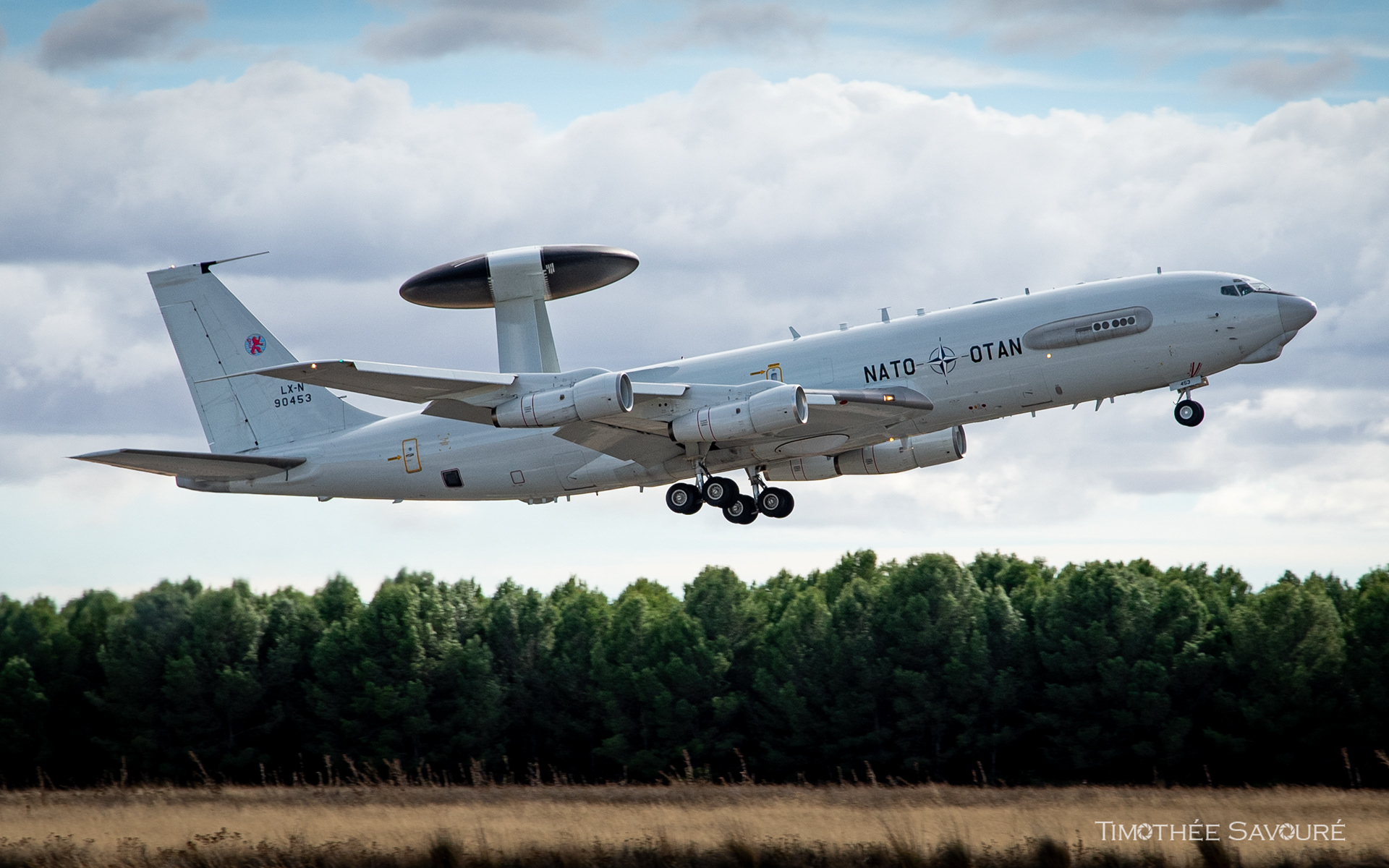
NATO E-3A AWACS
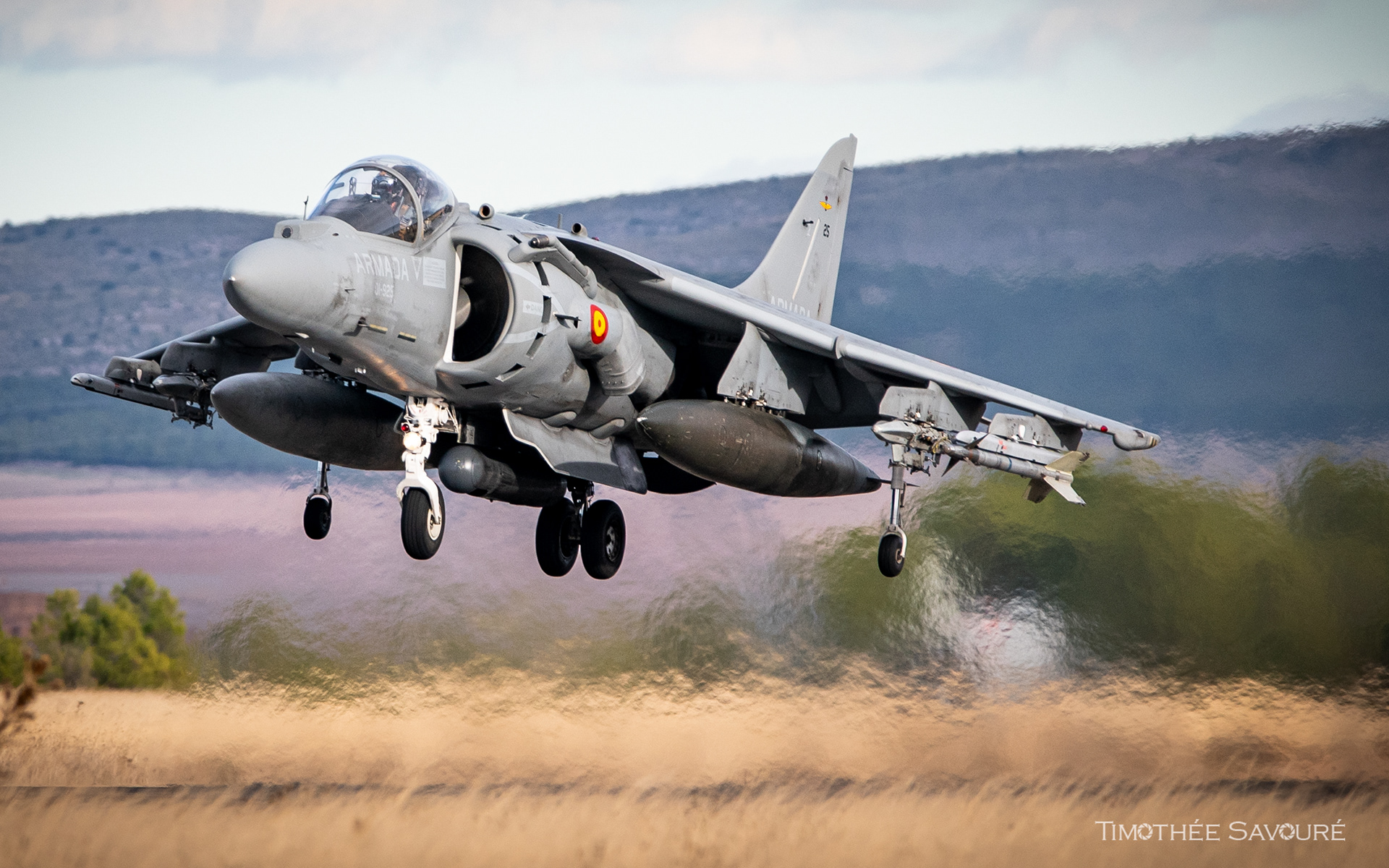
Spanish Navy (Armada española) McDonnell Douglas AV-8B+ II Plus - 9ª Escuadrilla Aeronaves
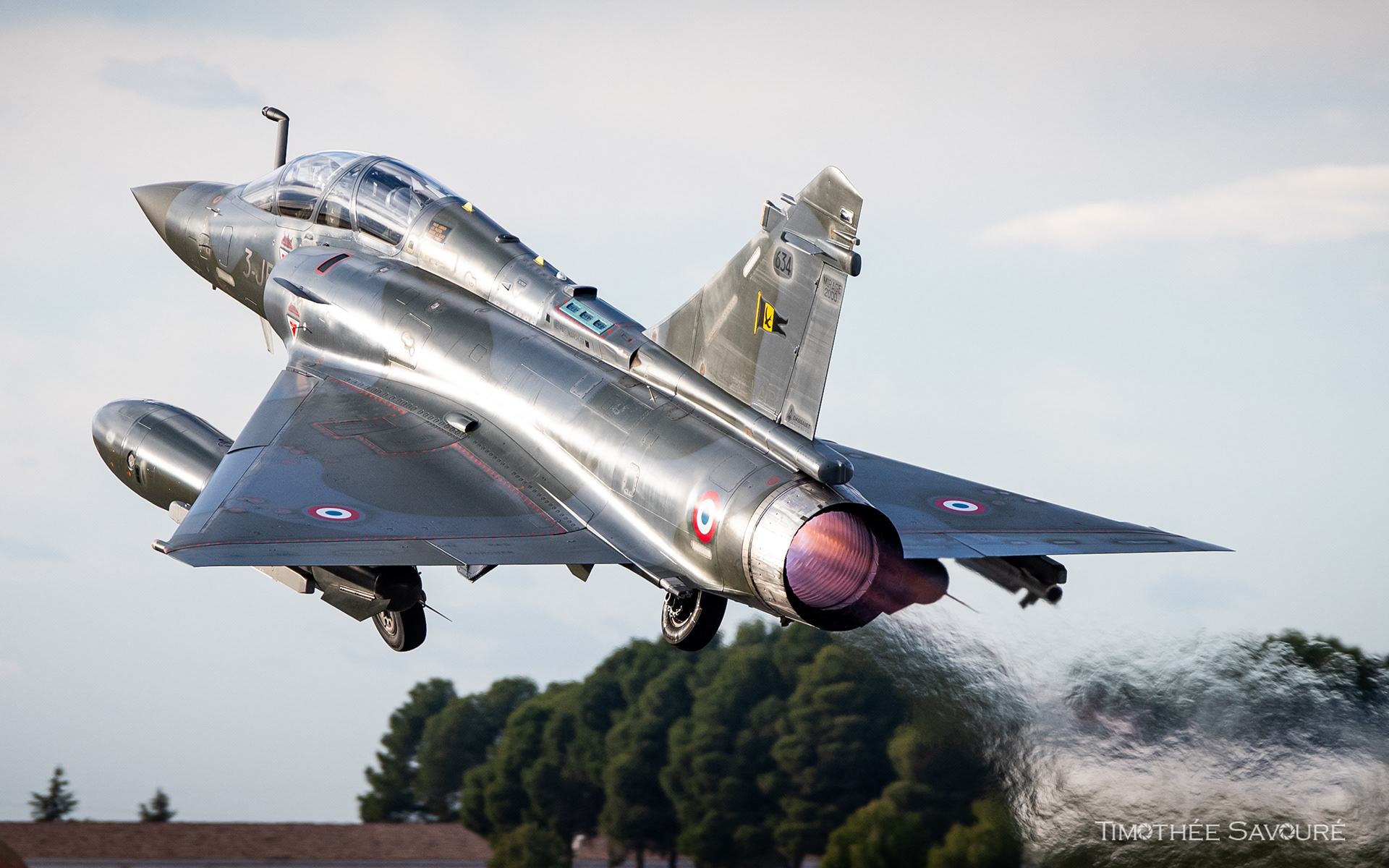
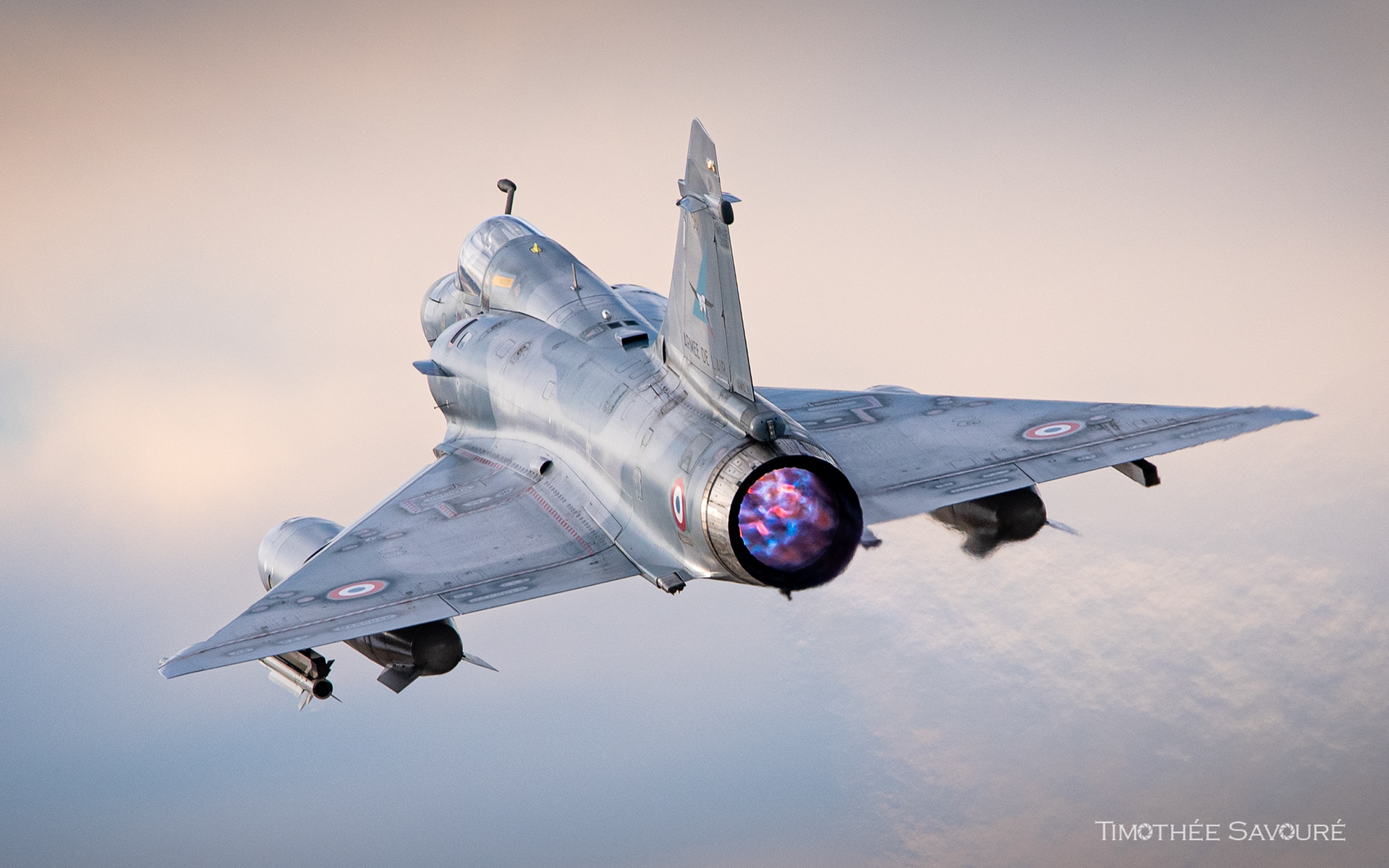
Armée de l'Air et de l'Espace Dassault Mirage 2000D RMV - 3ème Escadre de Chasse
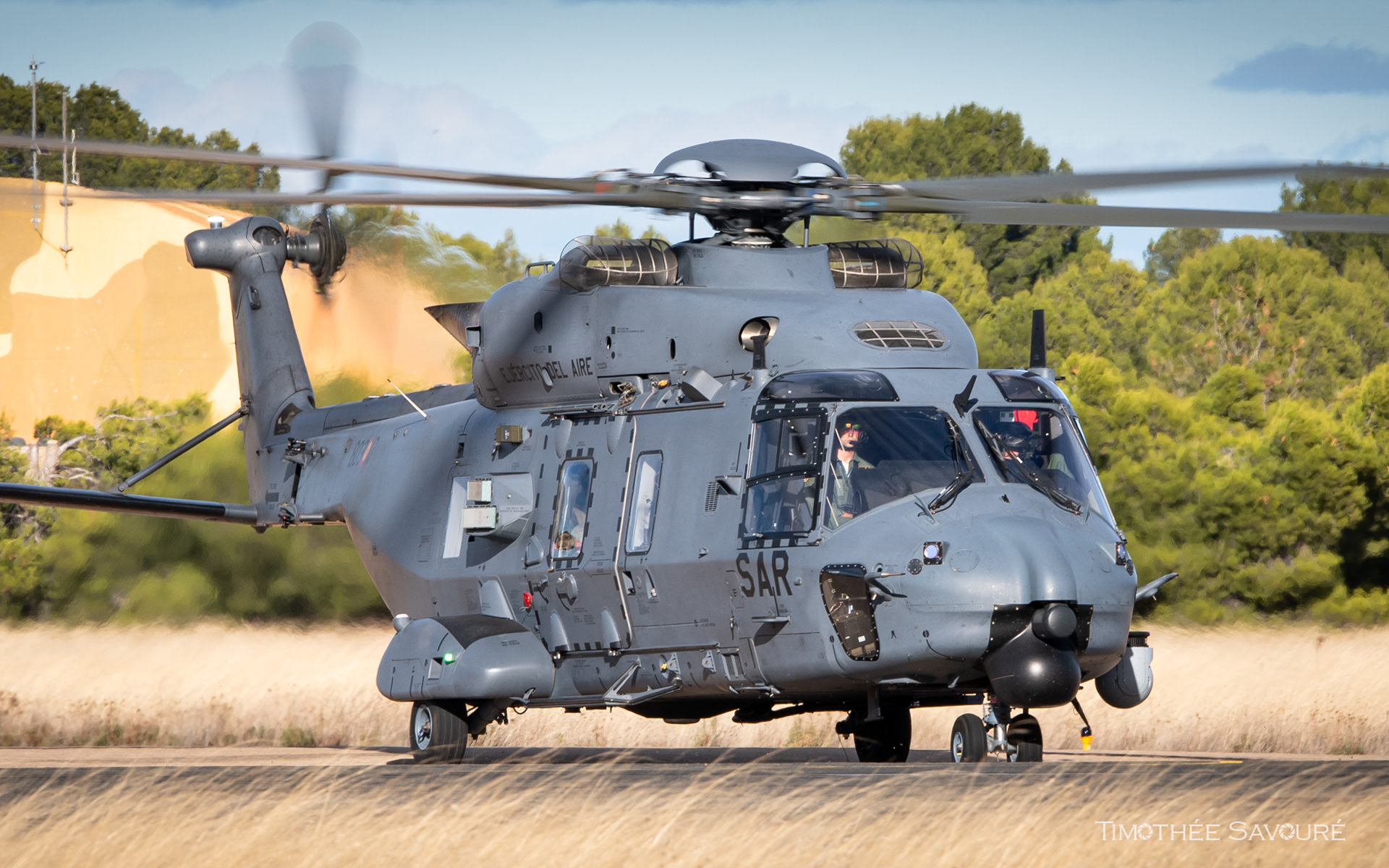
Ejerctito del Aire NH-90 TTH in SAR configuration - Ala48
Objectives, Missions and the Future of TLP
At its core, TLP’s mission is the development of leadership skills, with the aim of qualifying selected aircrew to become Mission Commanders capable of planning and executing complex multinational air operations. The Flying Course places participants in leadership roles where they must manage time constraints, incomplete information, and rapidly evolving tactical situations. In other words, conditions that closely resemble modern combat. Successful graduates are awarded the TLP patch, which within the military aviation community is a respected symbol of excellence. Far more than a course badge, it represents a recognised qualification that signals a pilot’s ability to command large-force missions and operate confidently within a NATO framework.
Looking to the future, TLP continues to evolve as a laboratory for NATO airpower, testing interoperability between legacy and next-generation fighters, including the progressive integration of fifth-generation platforms. In 2025, Italian F-35s participated to a training for the first time. Although it is not yet possible to welcome to full F-35 detachments, it is one of the goals for future editions. The programme is structured around five core pillars: modern fighter integration, Agile Combat Employment, advanced synthetic training, contested and degraded operations supported by the MACE environment, and multi-domain integration across air, land, maritime, space and cyber domains. Initiatives such as Maintainers Interactivity Training (MIT) highlight TLP’s holistic approach, extending interoperability beyond aircrews to technical personnel. The second iteration of MIT was held during TLP 25-4, when maintainers from France and Spain shared knowledge and common practice on Eurofighter Typhoon from ALA 14 and Mirage 2000D from the 3ème Escadre de Chasse.
As Colonel Acabes concluded, TLP’s strength lies in its ability to bring allies together in a single, purpose-built environment: the union marks the force. By continuously adapting to emerging technologies, updating infrastructure, and refining doctrines, TLP aims to remain relevant and aligned with NATO’s operational needs, with the clear ambition of becoming the NATO standard for fighter integration in the years to come.
Jet Blast Area would like to warmly thank TLP Commandment, especially Jessica Martínez for her help on this article.
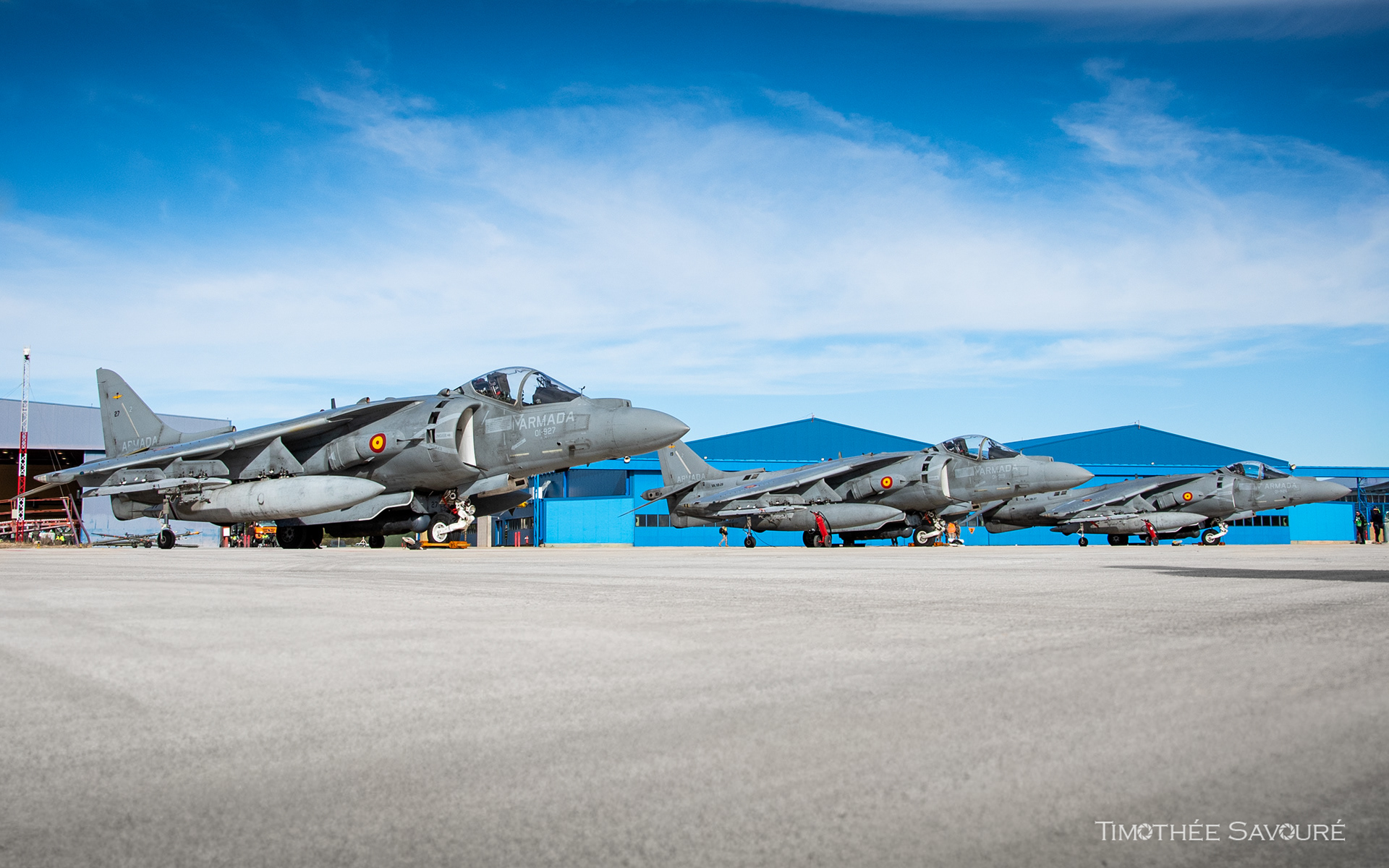
Armada Española AV-8B Harrier II Plus - 9ª Escuadrilla Aeronaves
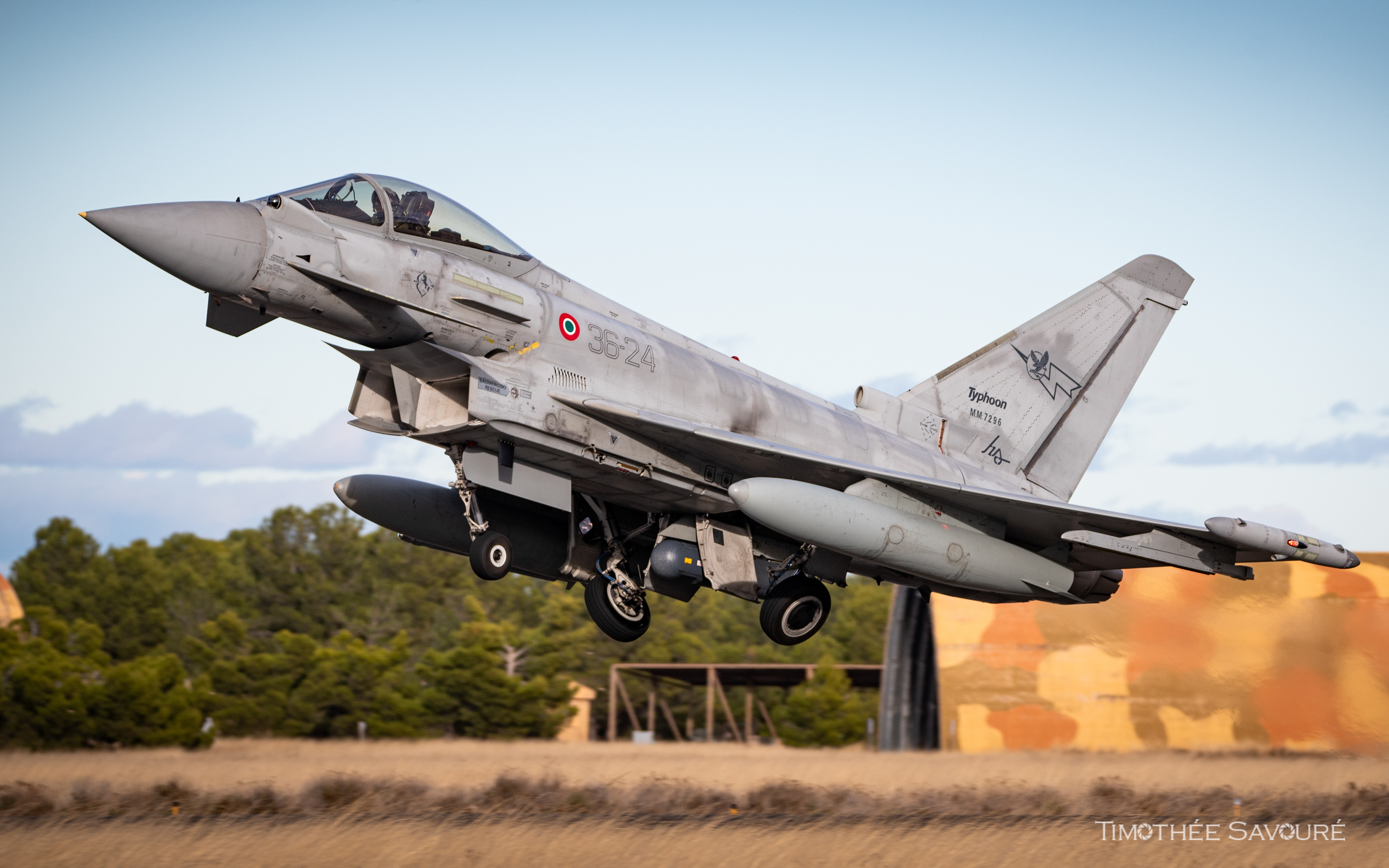
Aeronautica Militare Eurofighter Typhoon - 36° Stormo
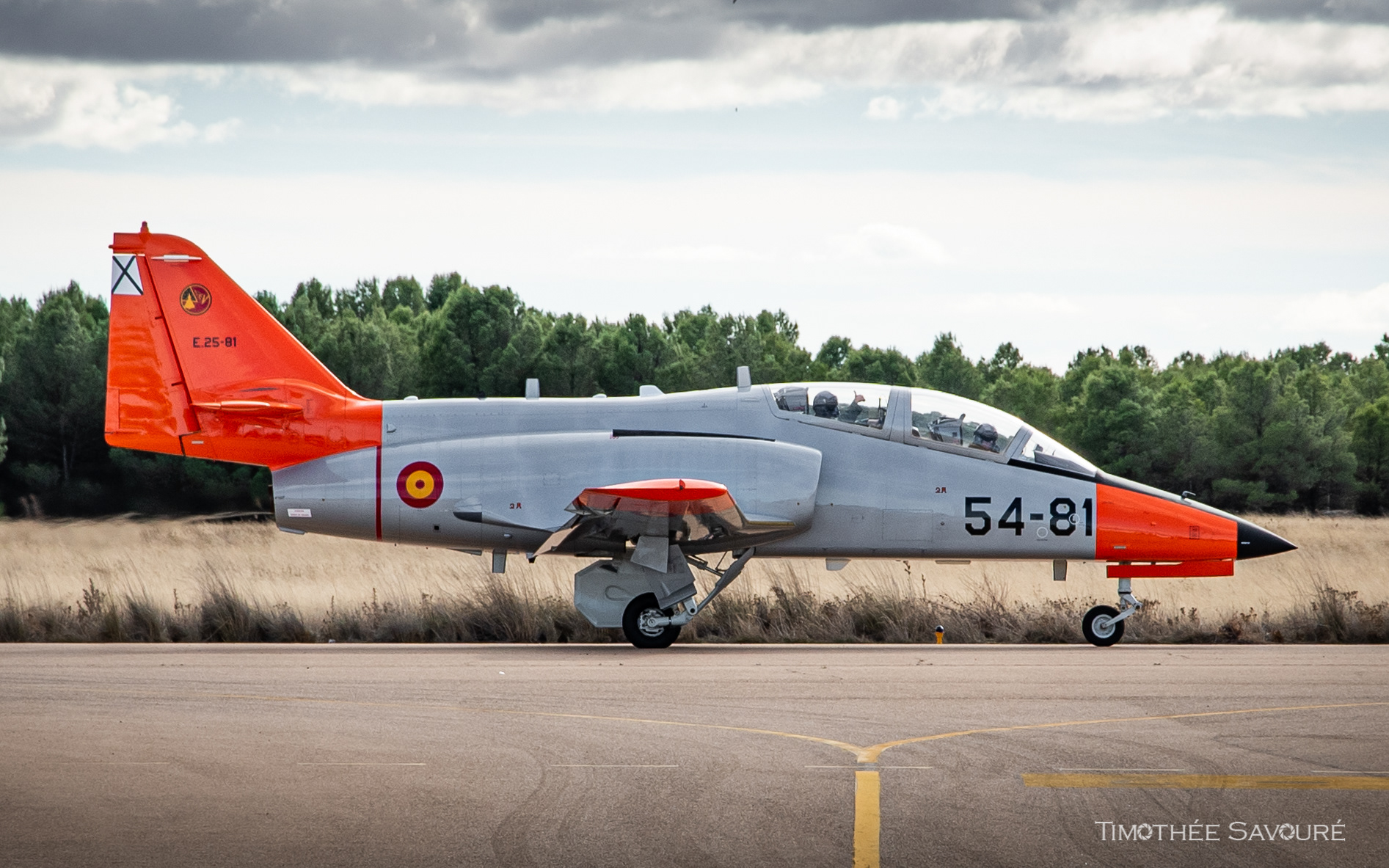
Spanish Air Force CASA C-101 Aviojet - Ala 74
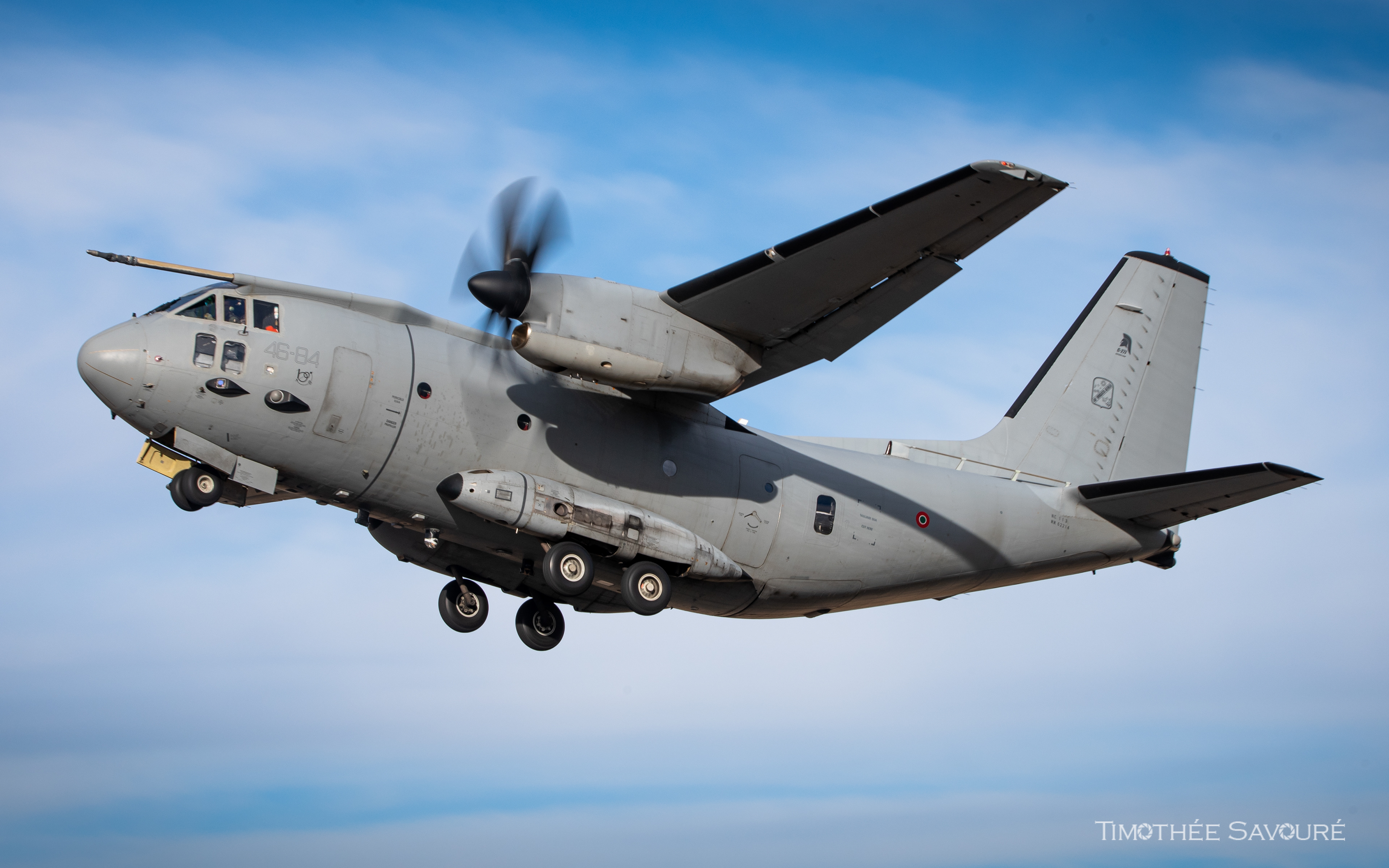
Aeronautica Militare Alenia C-27J Spartan - 46° Brigata Aerea
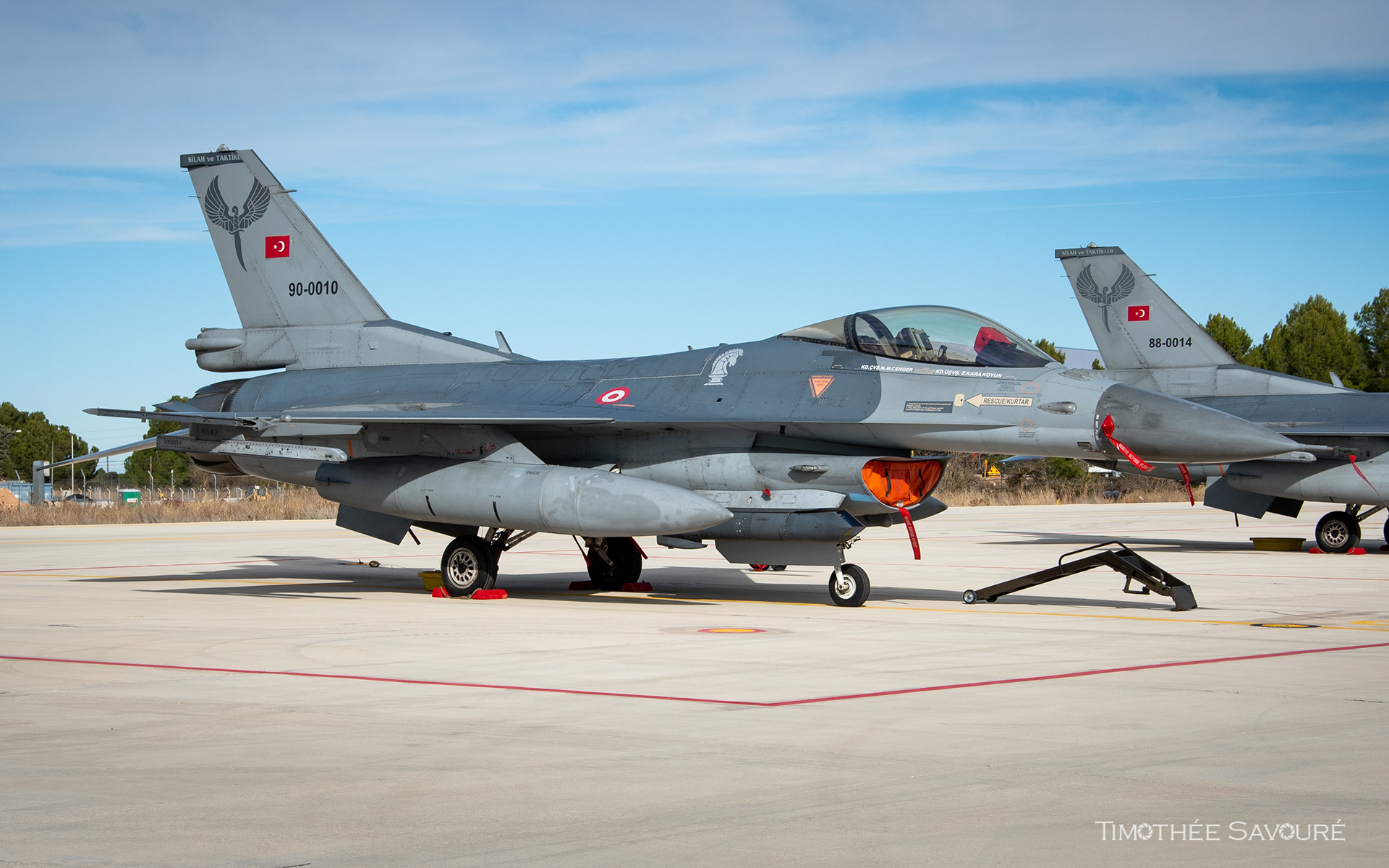
Turkish Air Force F-16C Fighting Falcon - 132 Filo
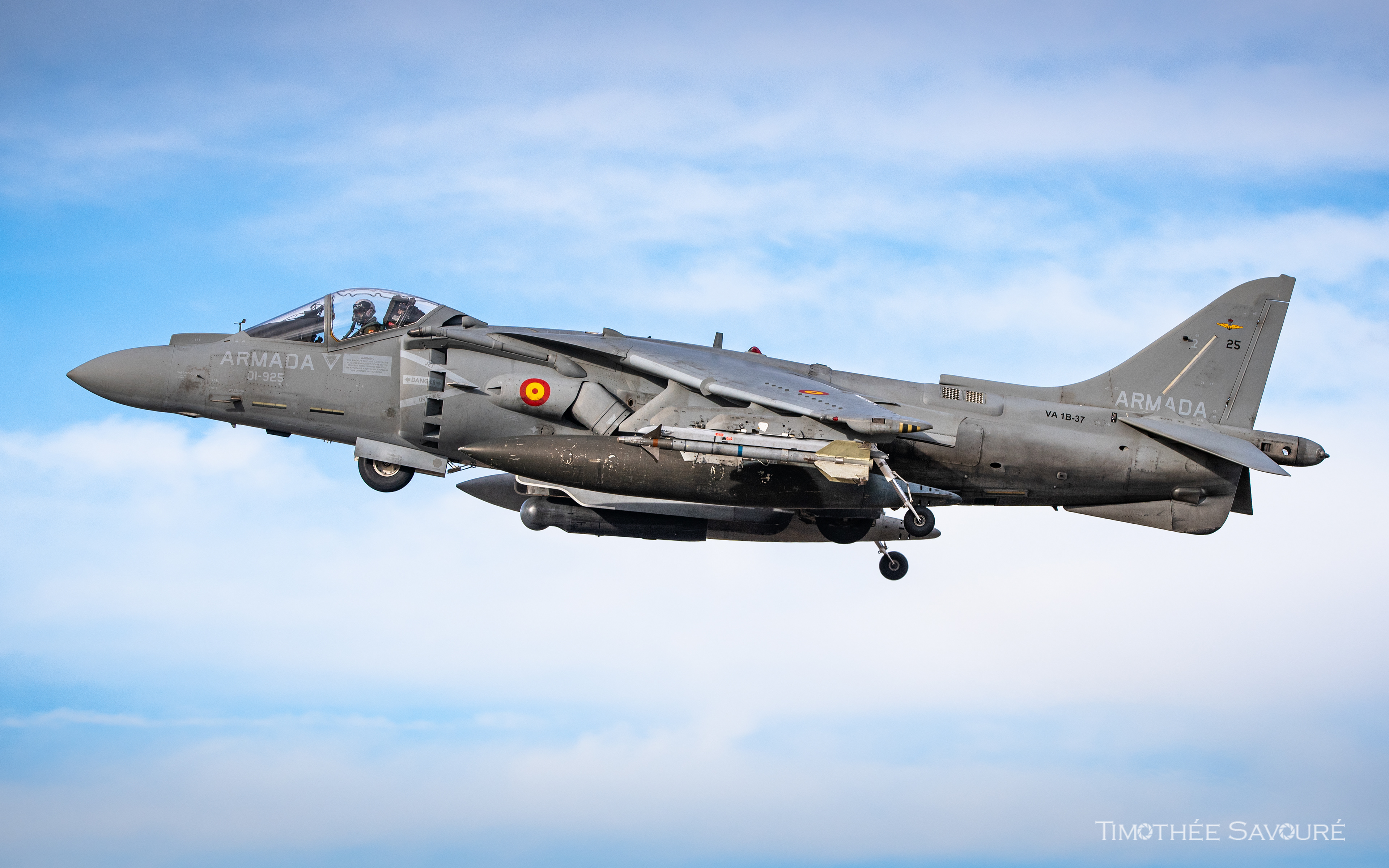
Armada Española AV-8B Harrier II Plus - 9ª Escuadrilla Aeronaves
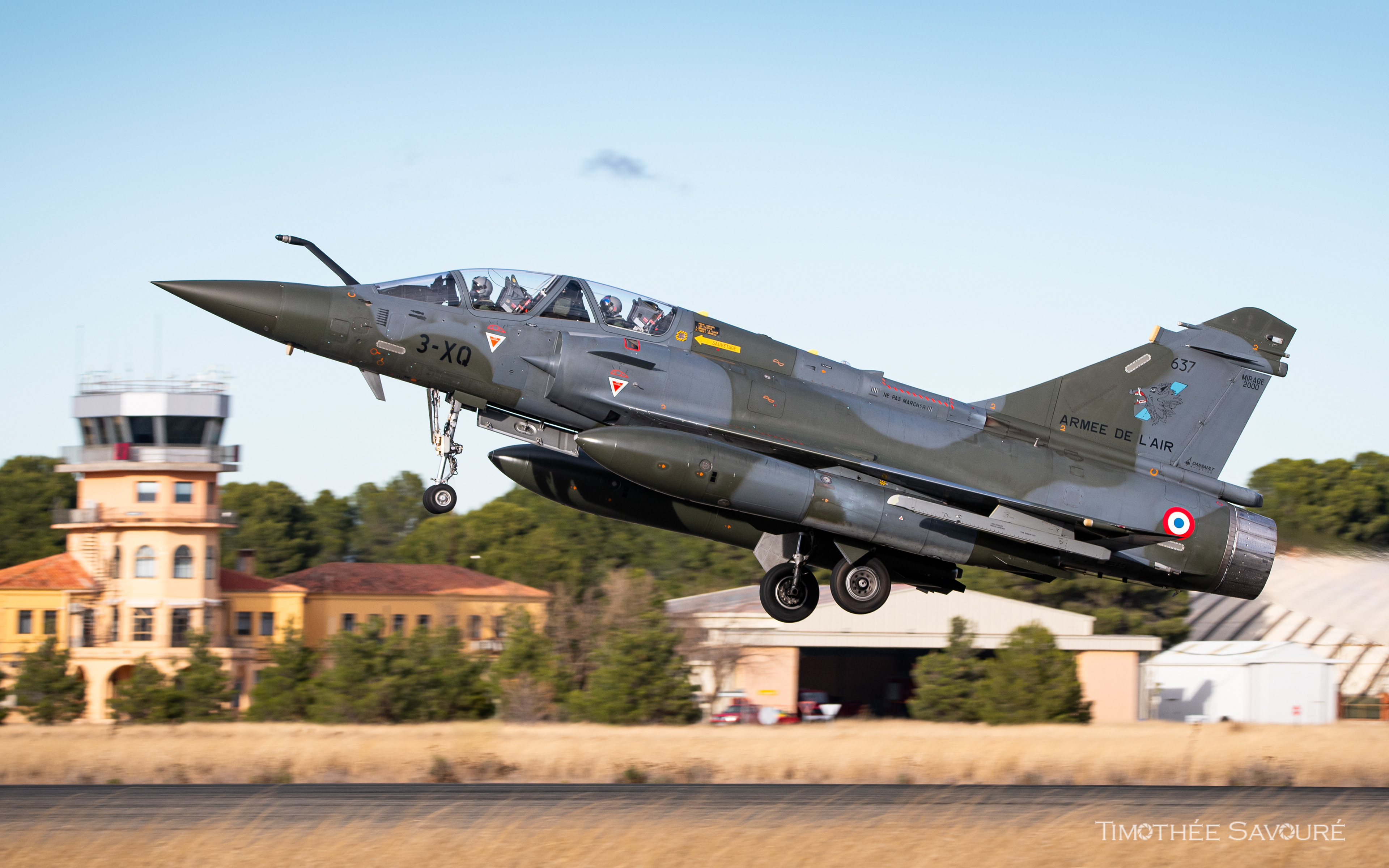
Armée de l'Air et de l'Espace Dassault Mirage 2000D RMV - 3ème Escadre de Chasse
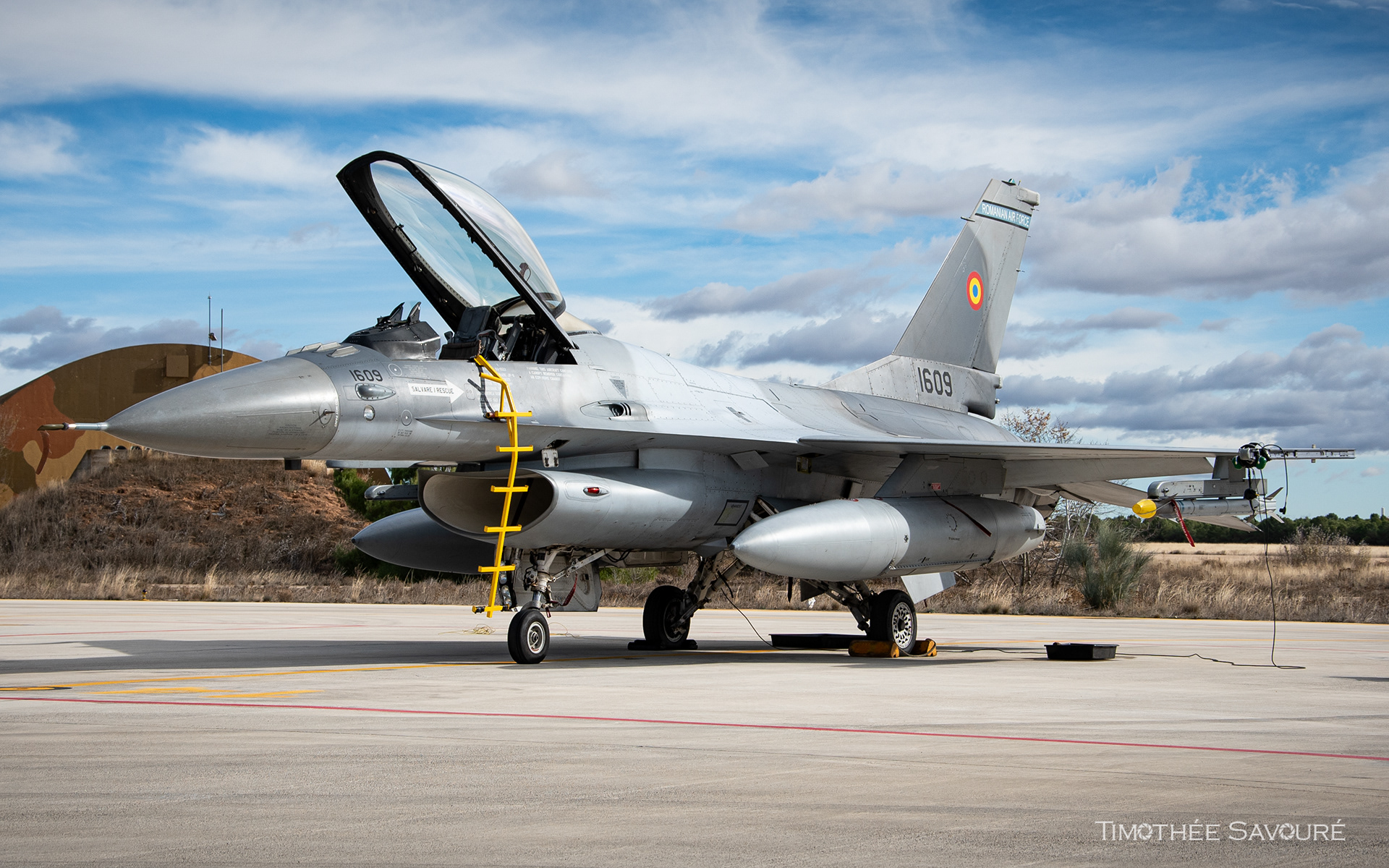
Romanian Air Force F-16AM Fighting Falcon - Esc 53
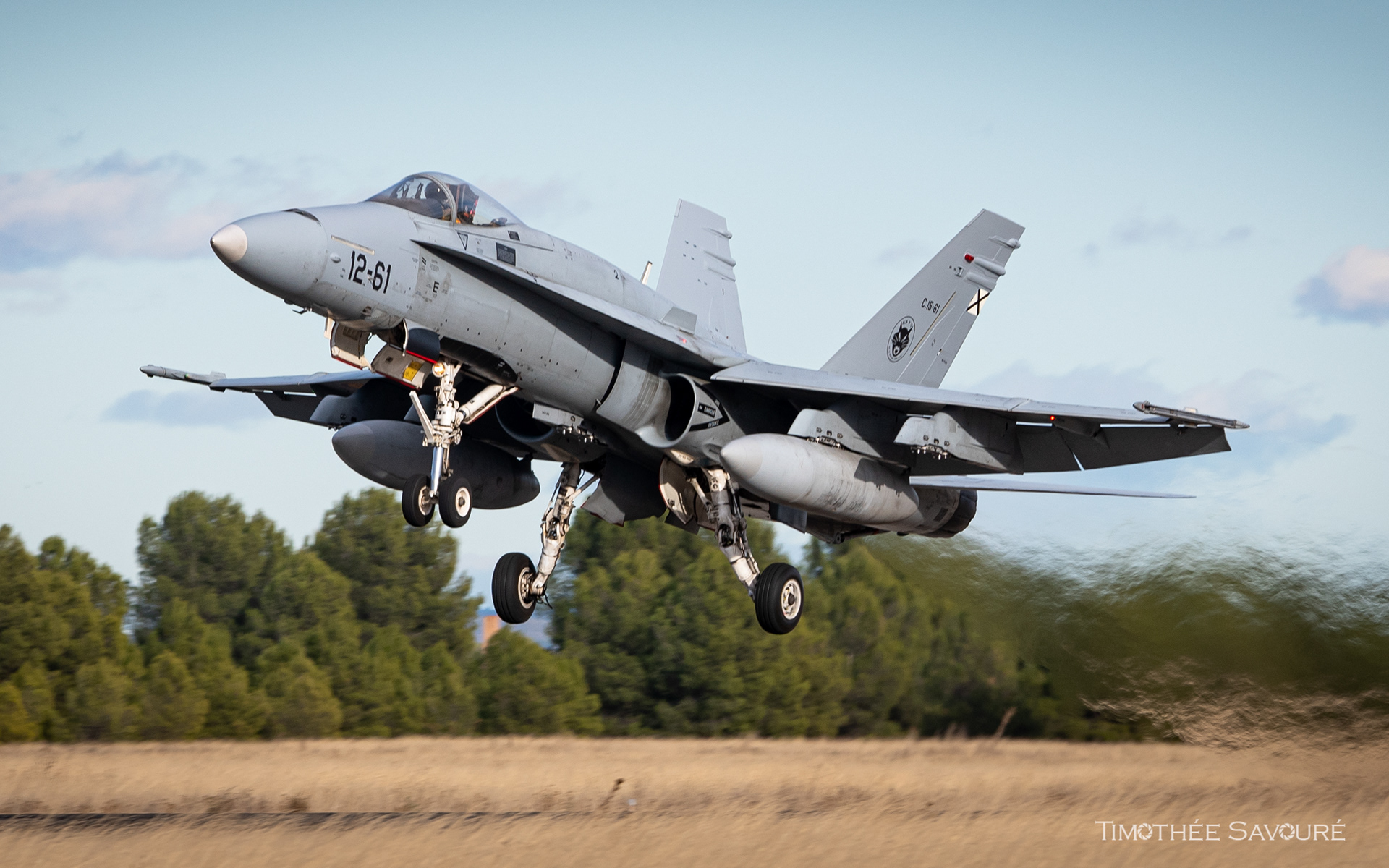
Spanish Air Force EF-18M Hornet - Ala 12
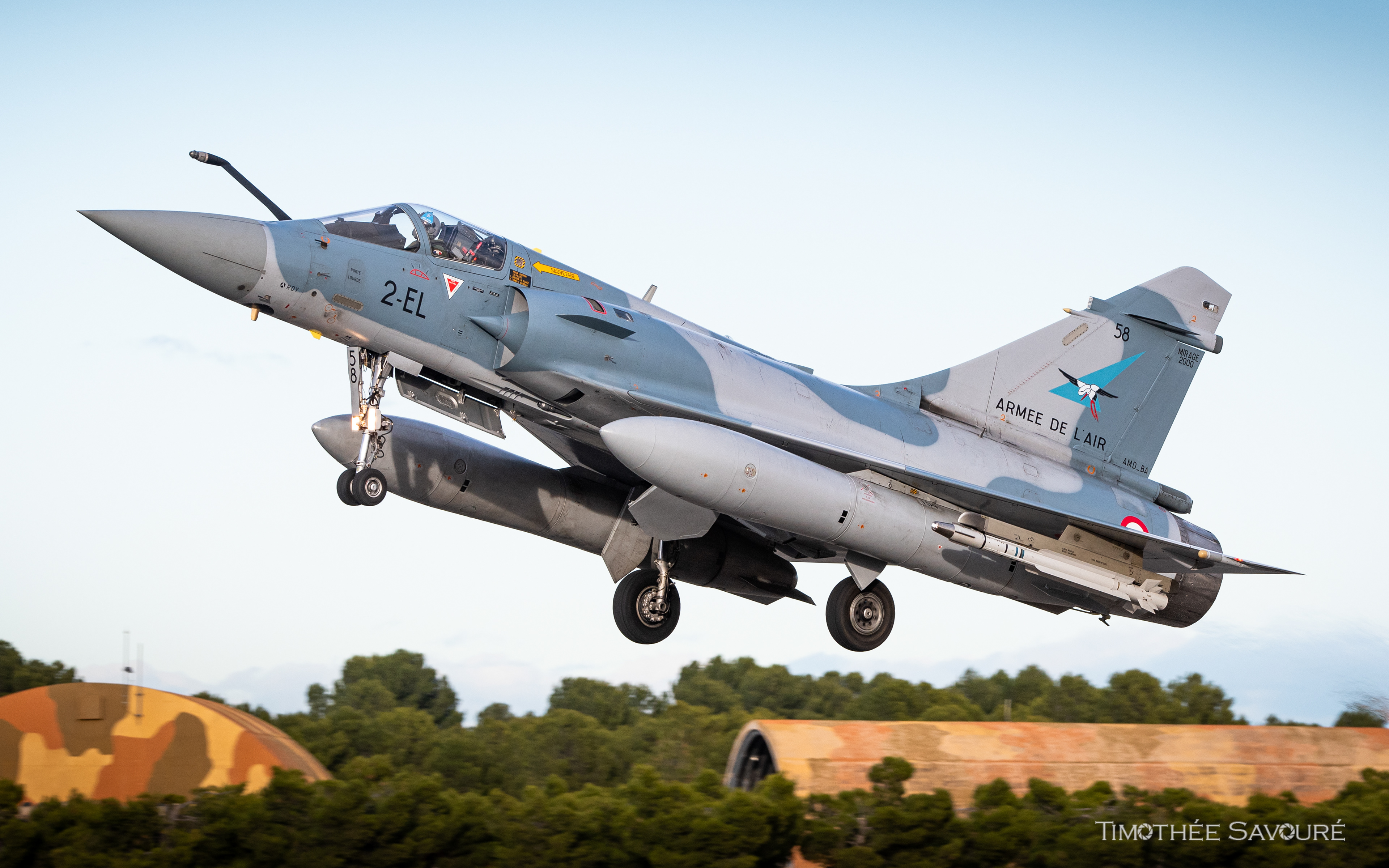
Armée de l'Air et de l'Espace Dassault Mirage 2000-5F - Groupe de Chasse 1/2 'Cigognes'
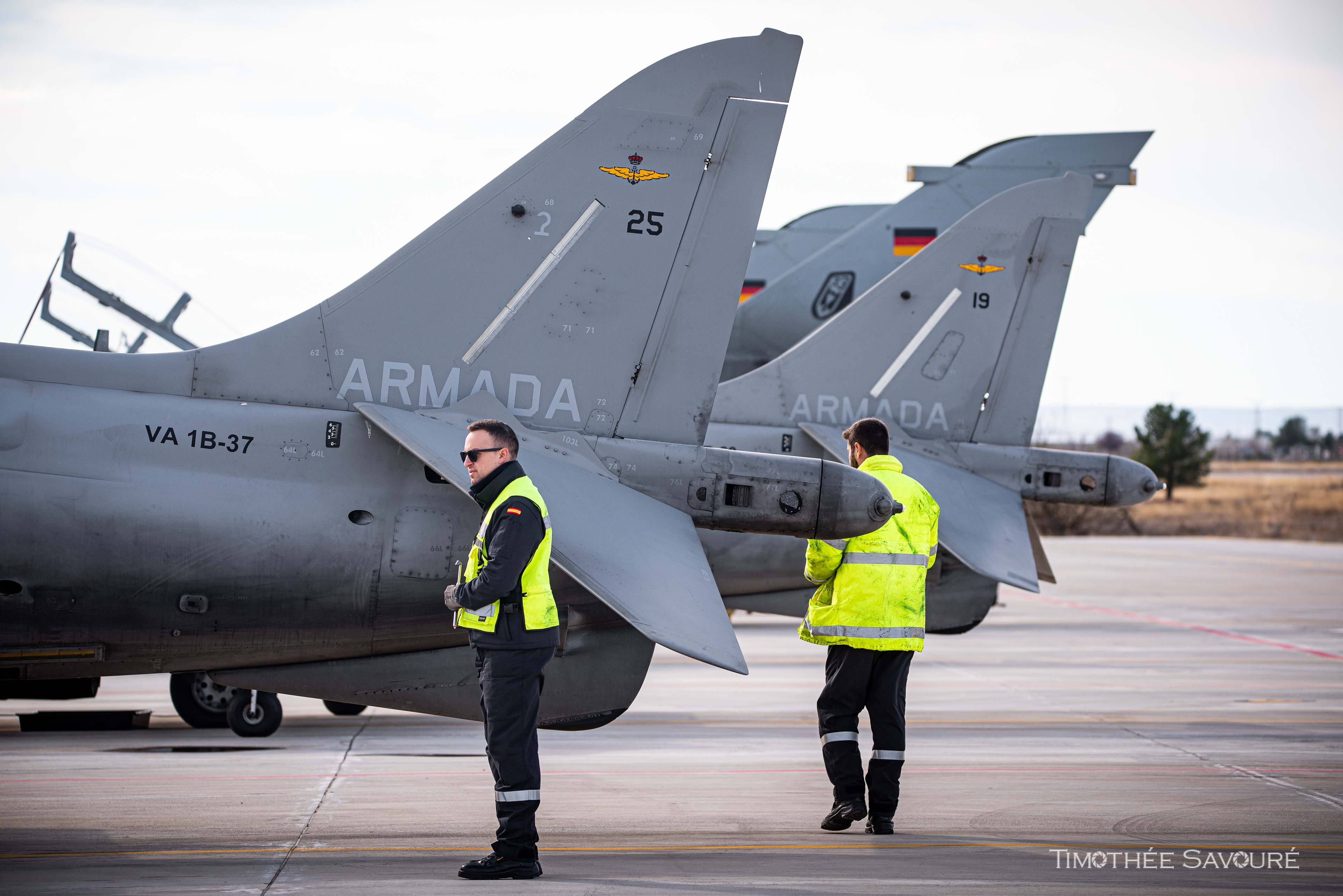
Armada Española AV-8B Harrier II Plus - 9ª Escuadrilla Aeronaves
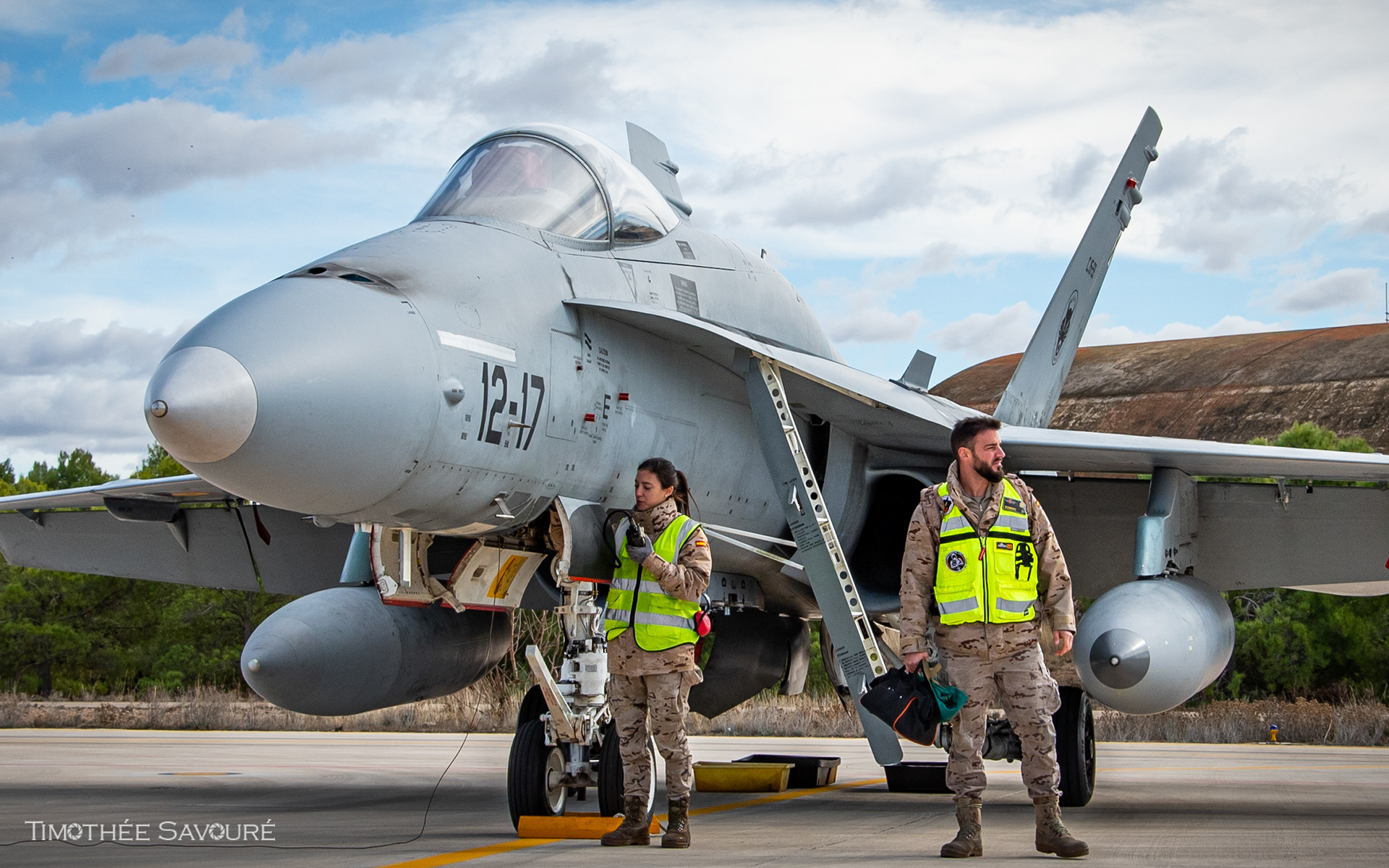
Spanish Air Force EF-18M Hornet - Ala 12
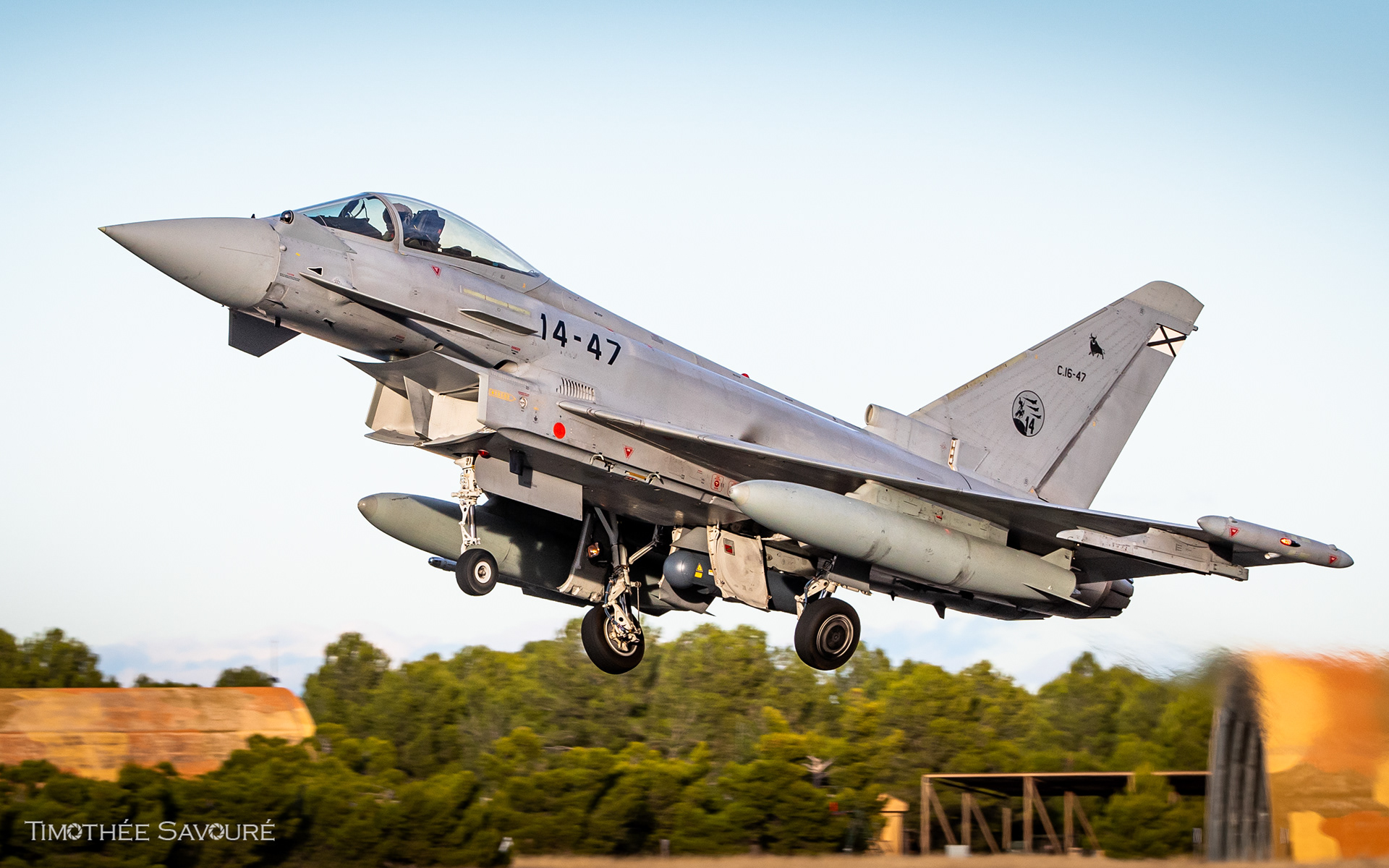
Spanish Air Force Eurofighter Typhoon - ALA 14
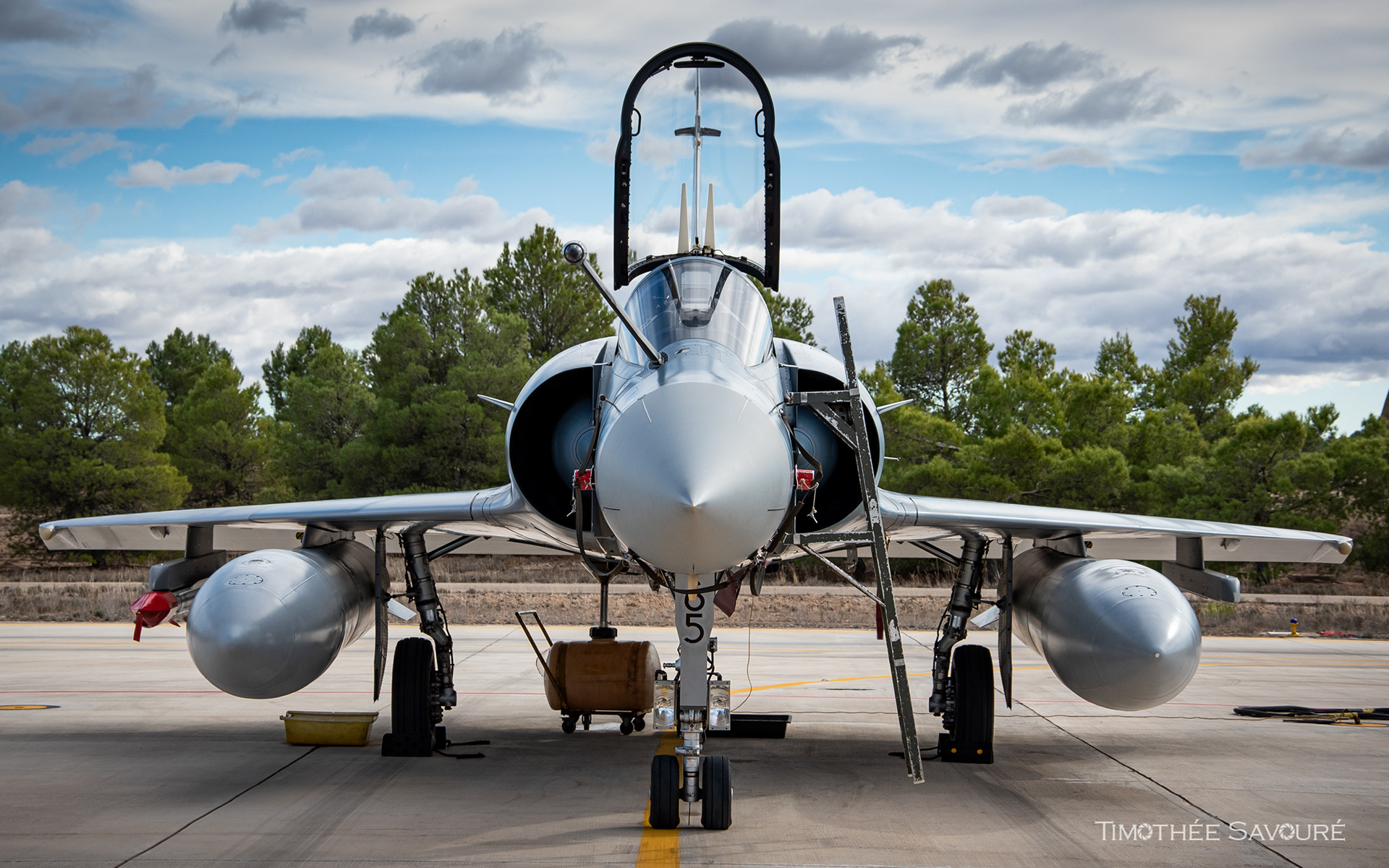
Armée de l'Air et de l'Espace Dassault Mirage 2000-5F - Groupe de Chasse 1/2 'Cigognes'
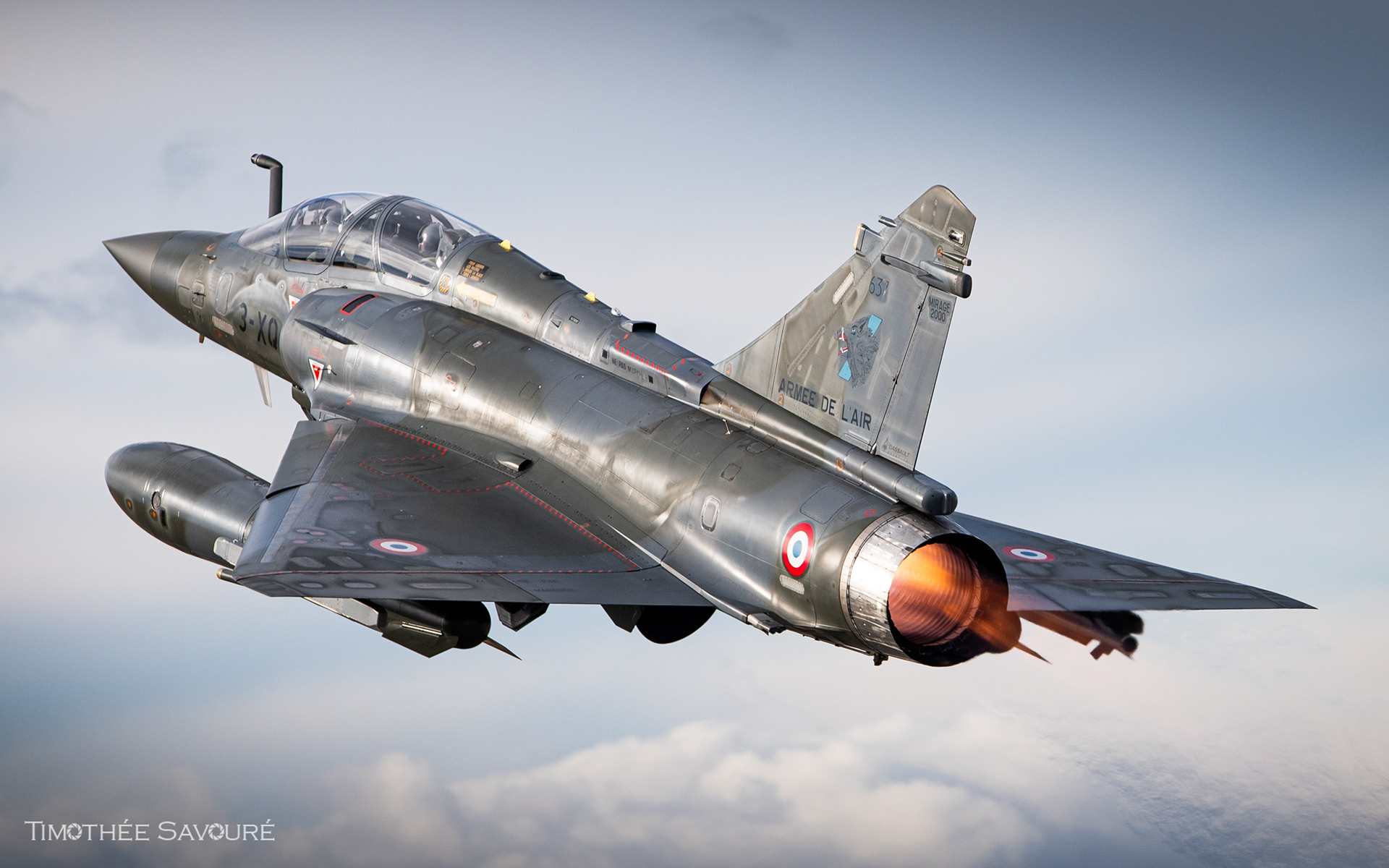
Armée de l'Air et de l'Espace Dassault Mirage 2000D RMV - 3ème Escadre de Chasse
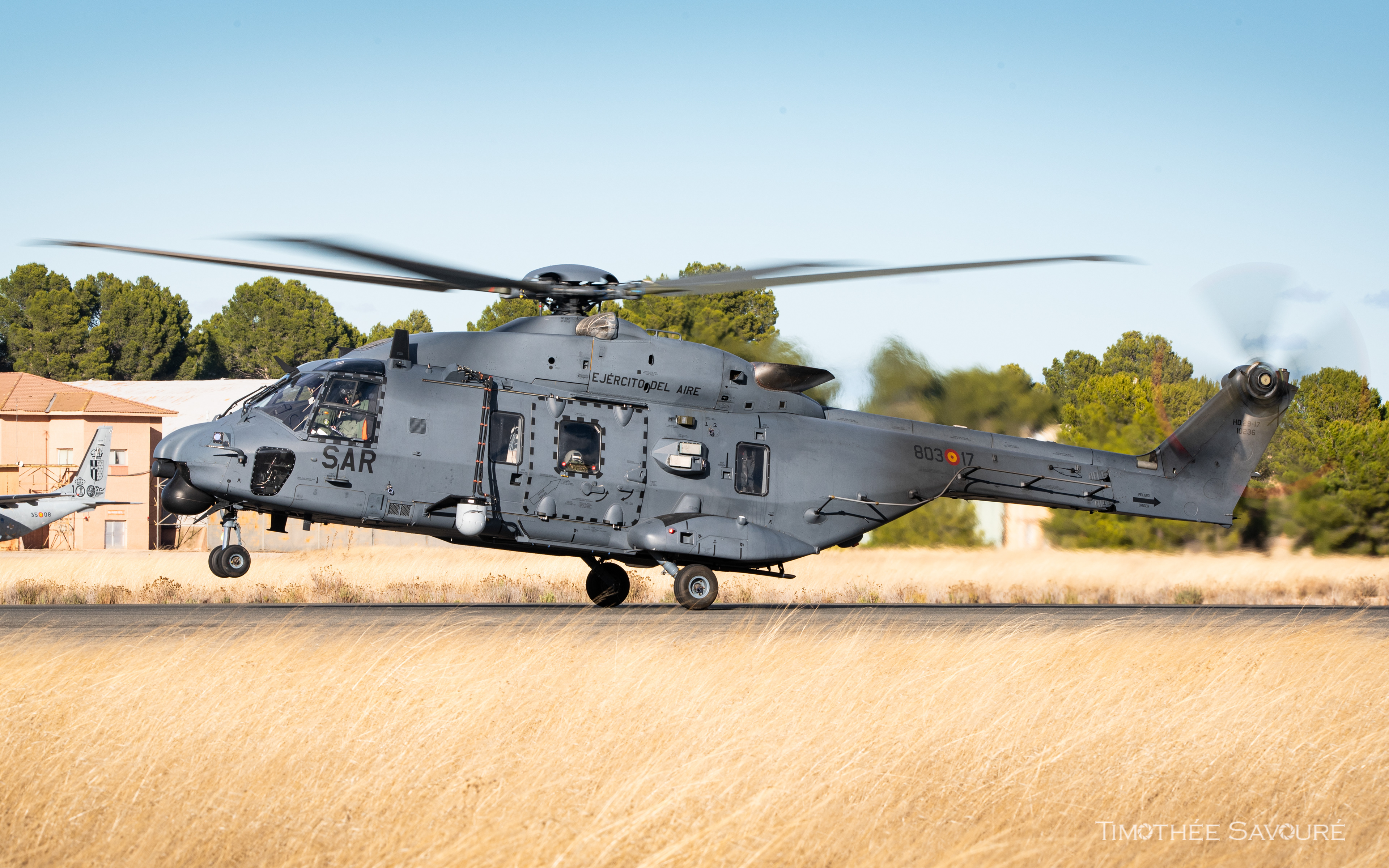
Ejerctito del Aire - SAR NH-90 TTH - Ala48
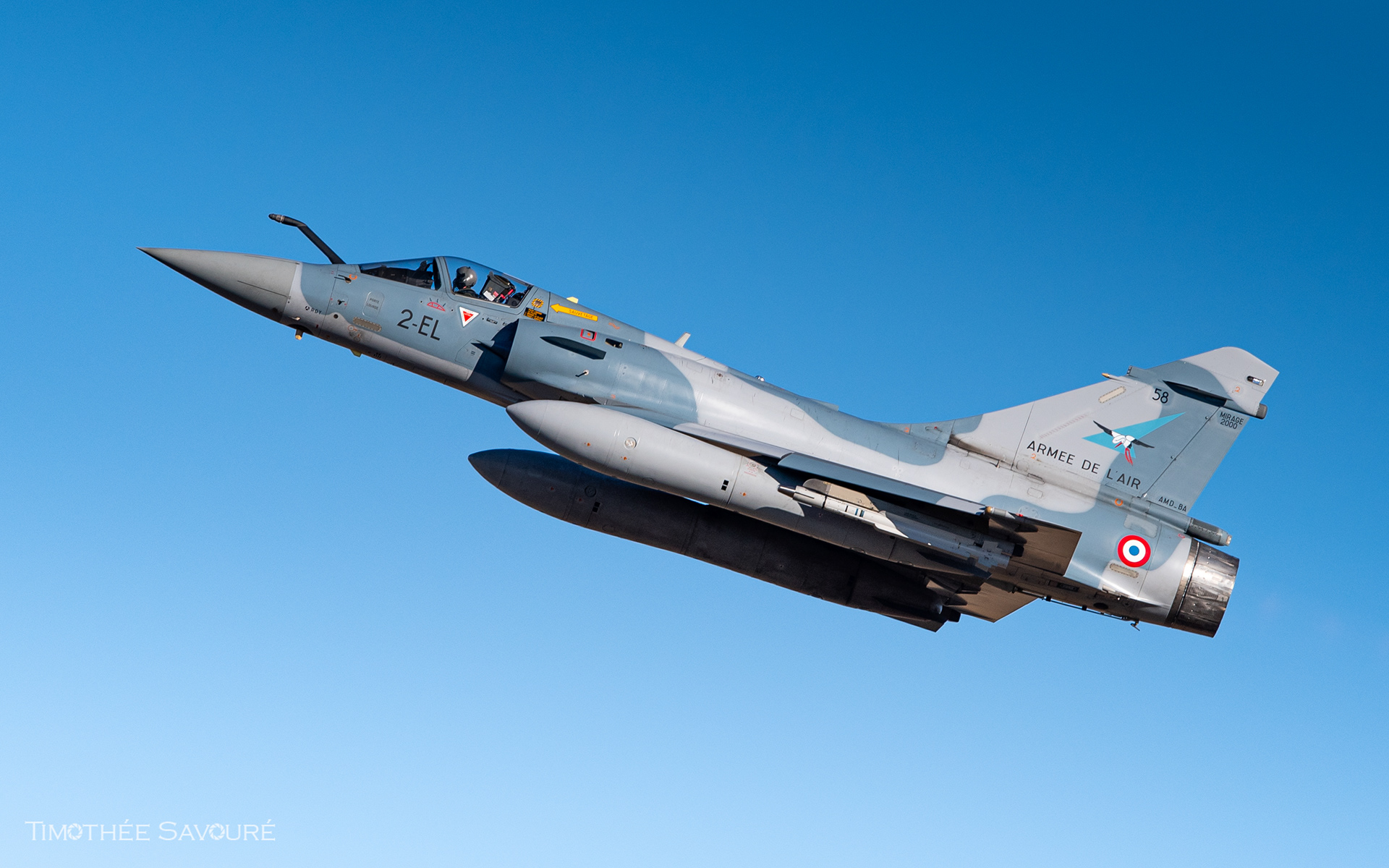
Armée de l'Air et de l'Espace Dassault Mirage 2000-5F - Groupe de Chasse 1/2 'Cigognes'
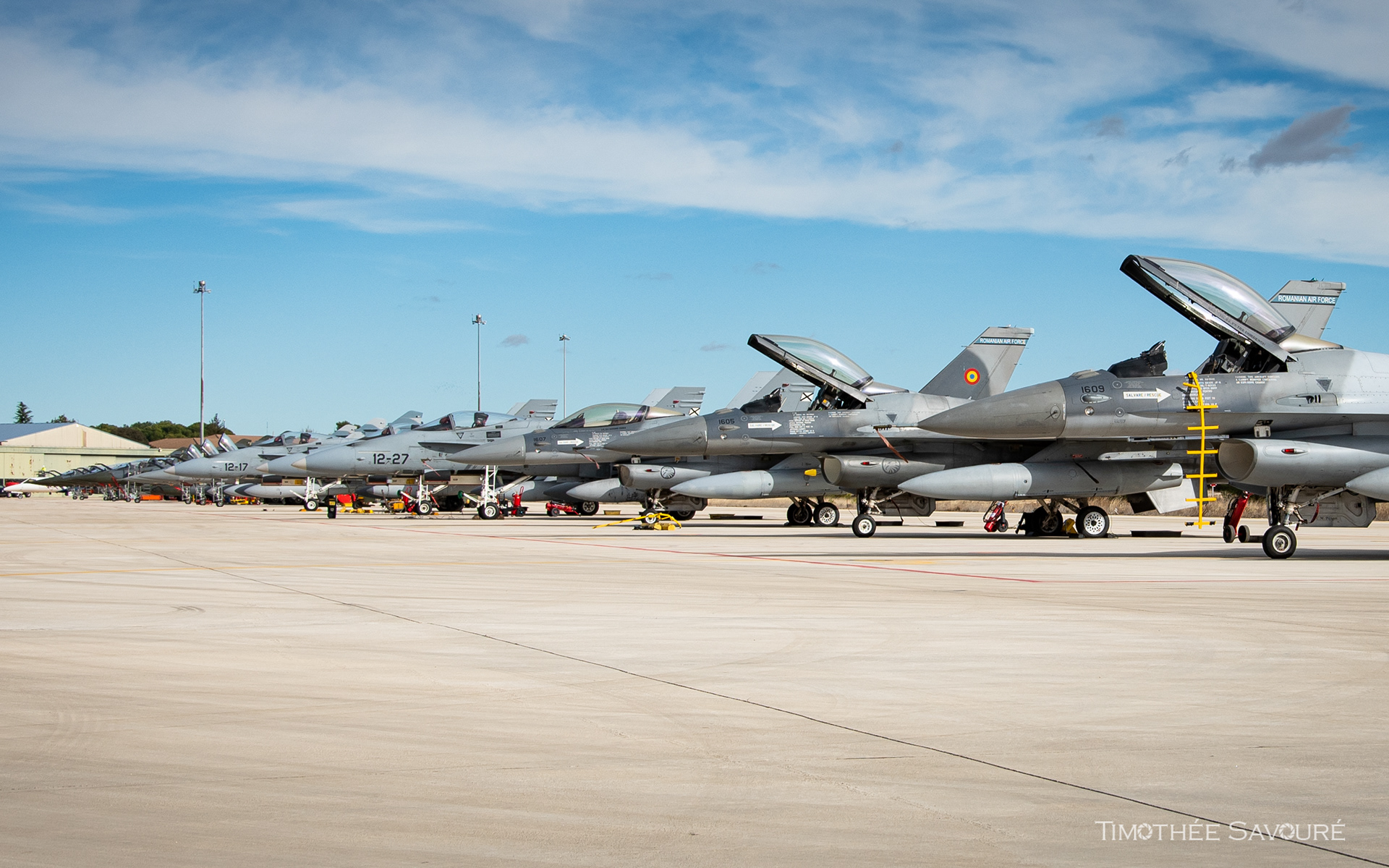
TLP 2025-4 Flightline
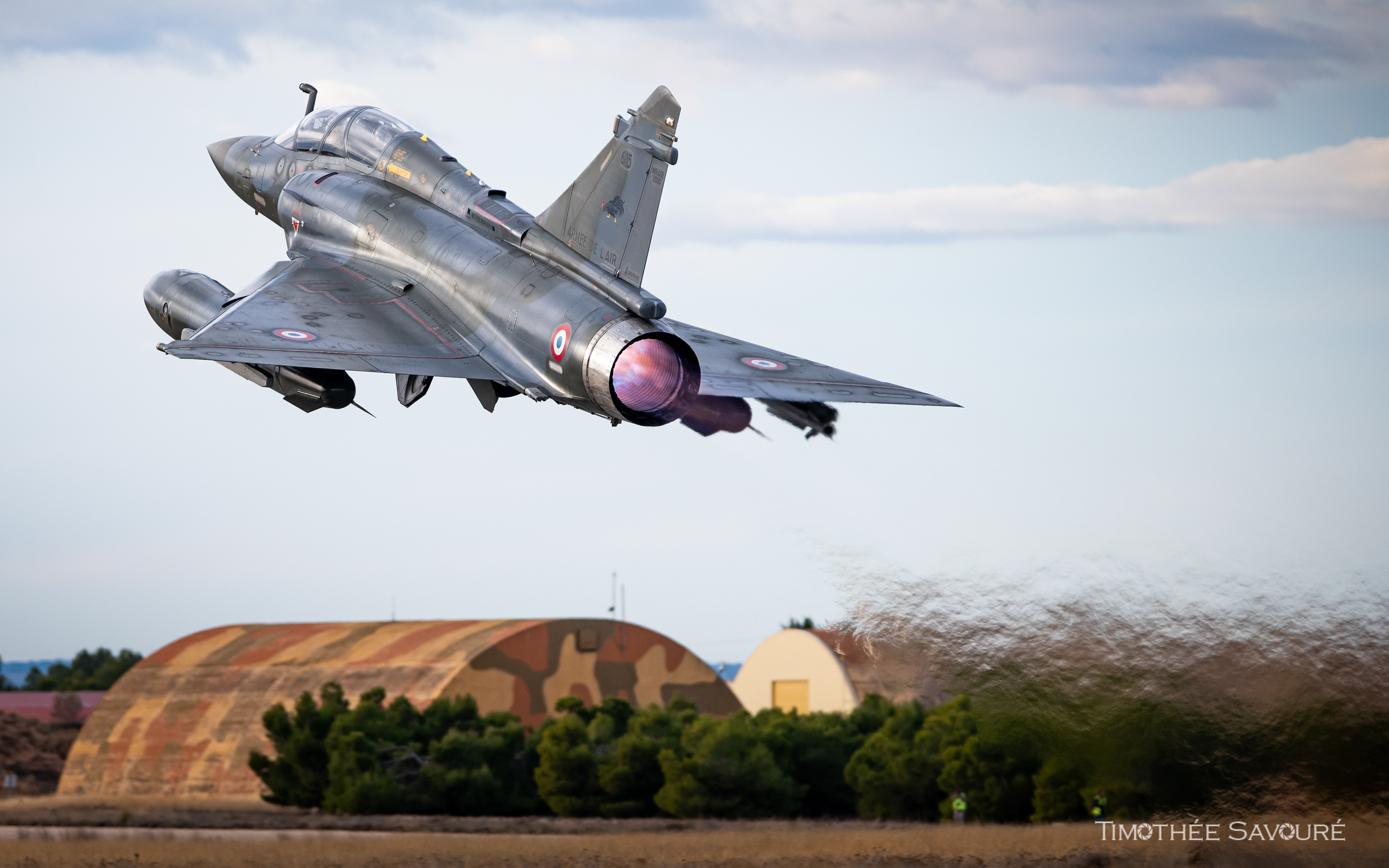
Armée de l'Air et de l'Espace Dassault Mirage 2000D RMV - 3ème Escadre de Chasse
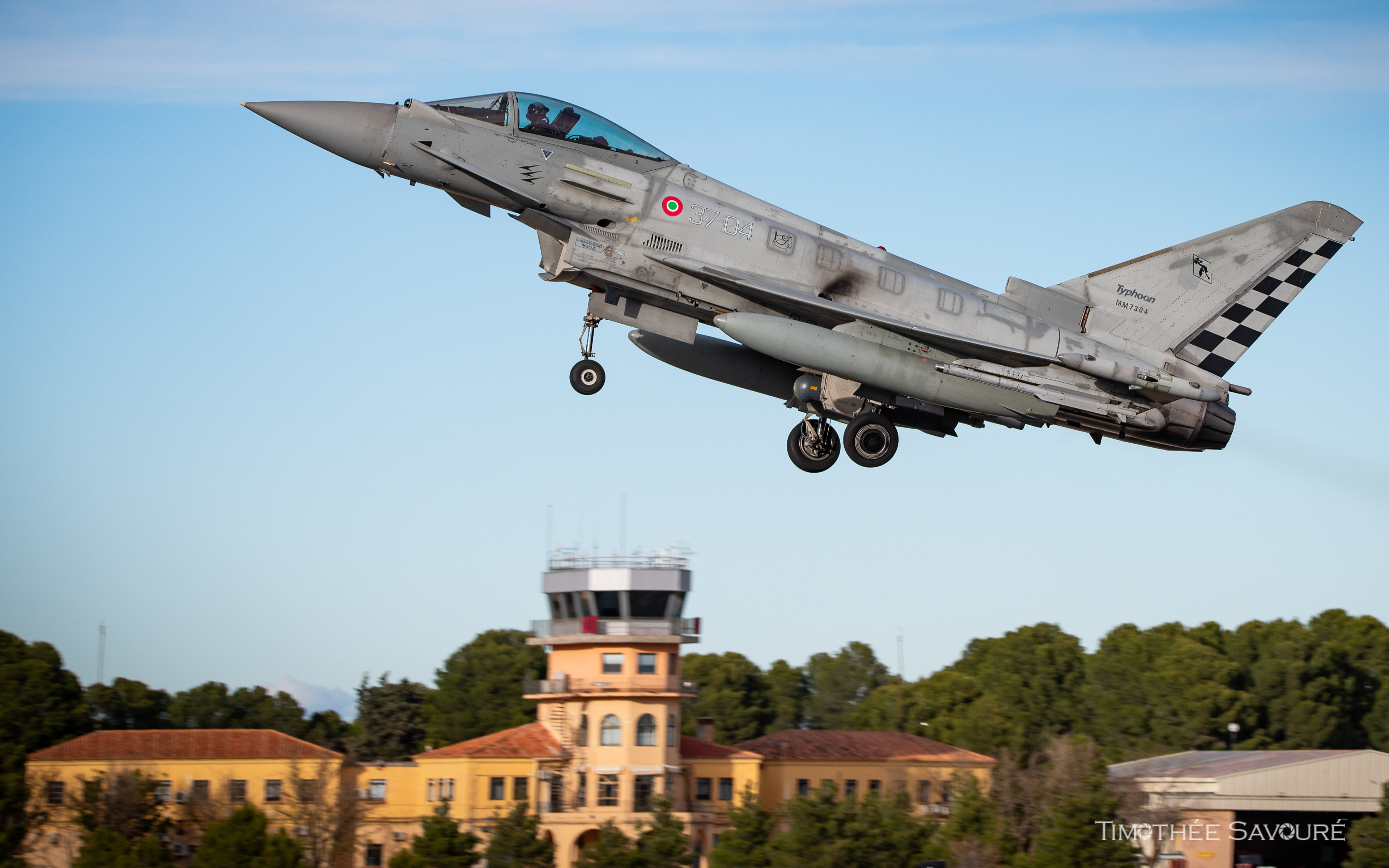
Aeronautica Militare Eurofighter Typhoon - 36° Stormo
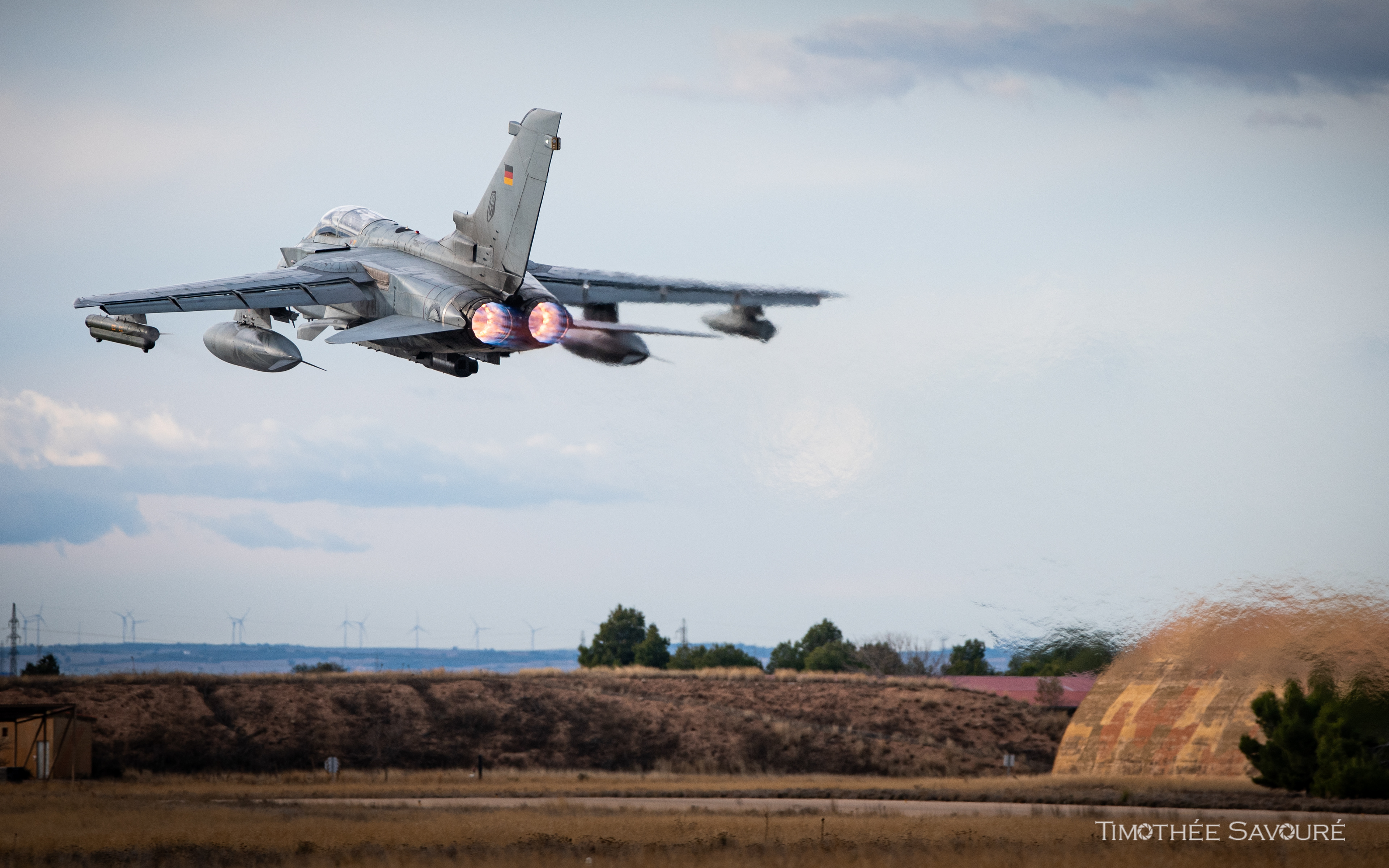
Luftwaffe Panavia Tornado IDS - TLG33
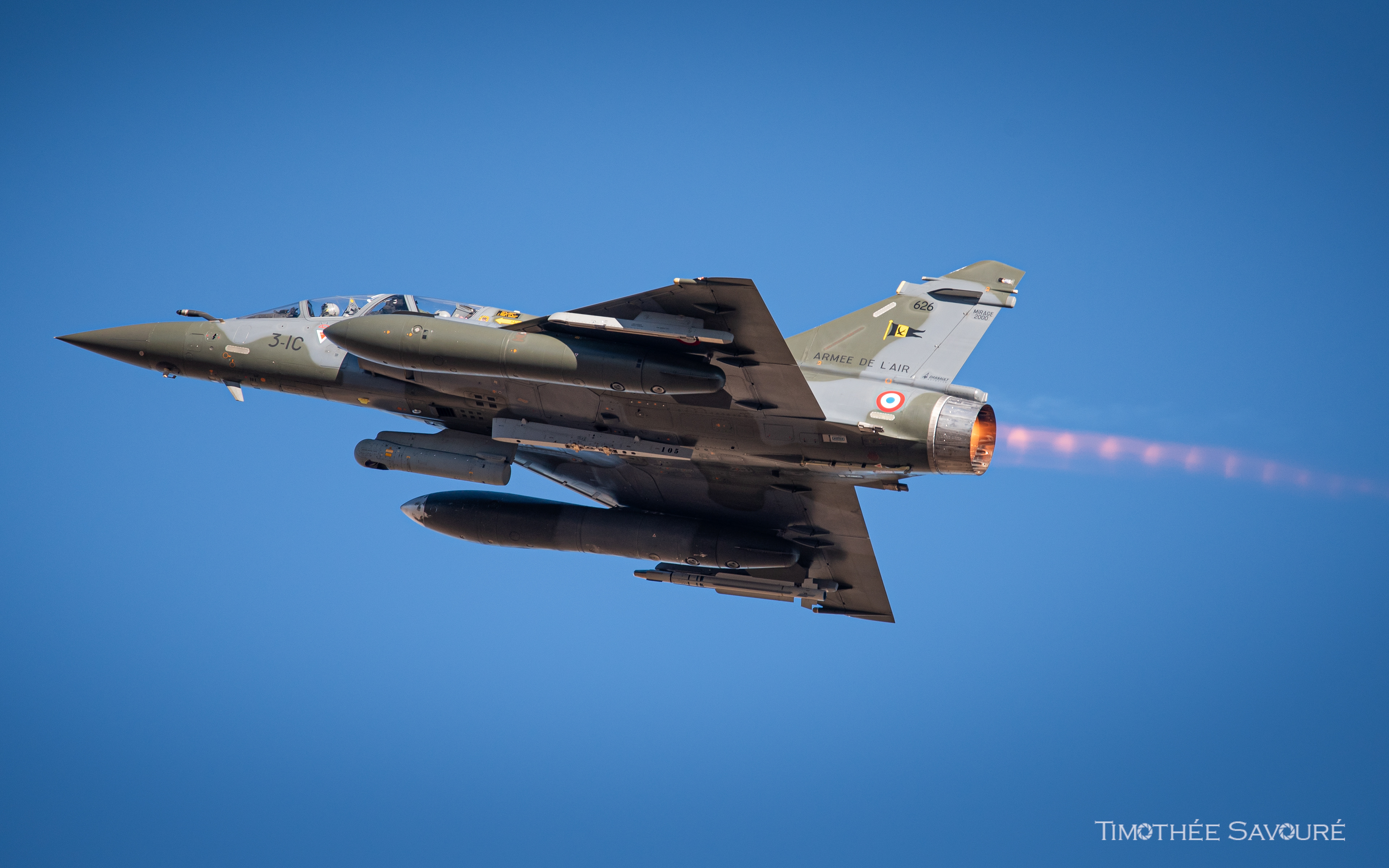
Armée de l'Air et de l'Espace Dassault Mirage 2000D RMV - 3ème Escadre de Chasse
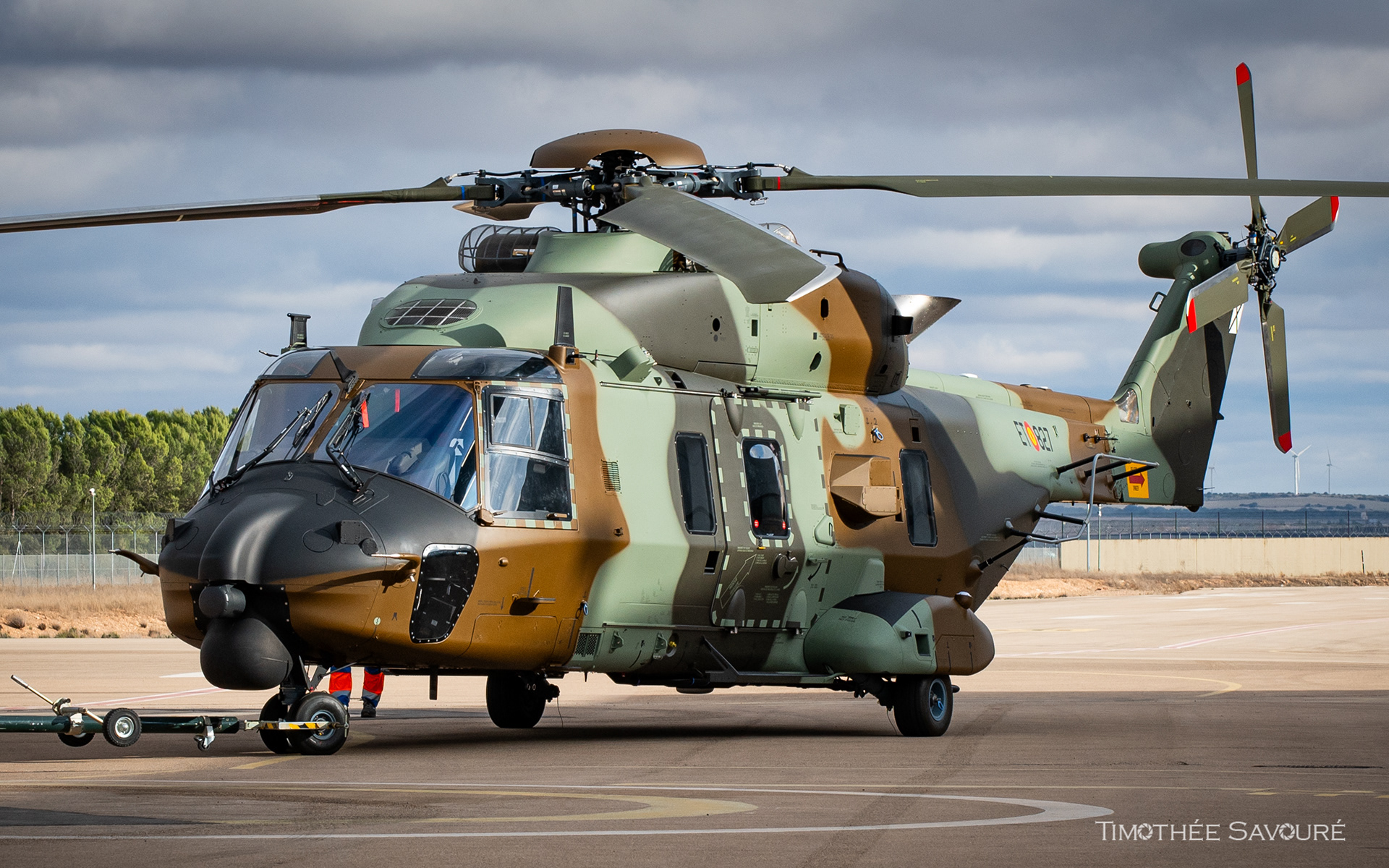
Spanish Army NH-90
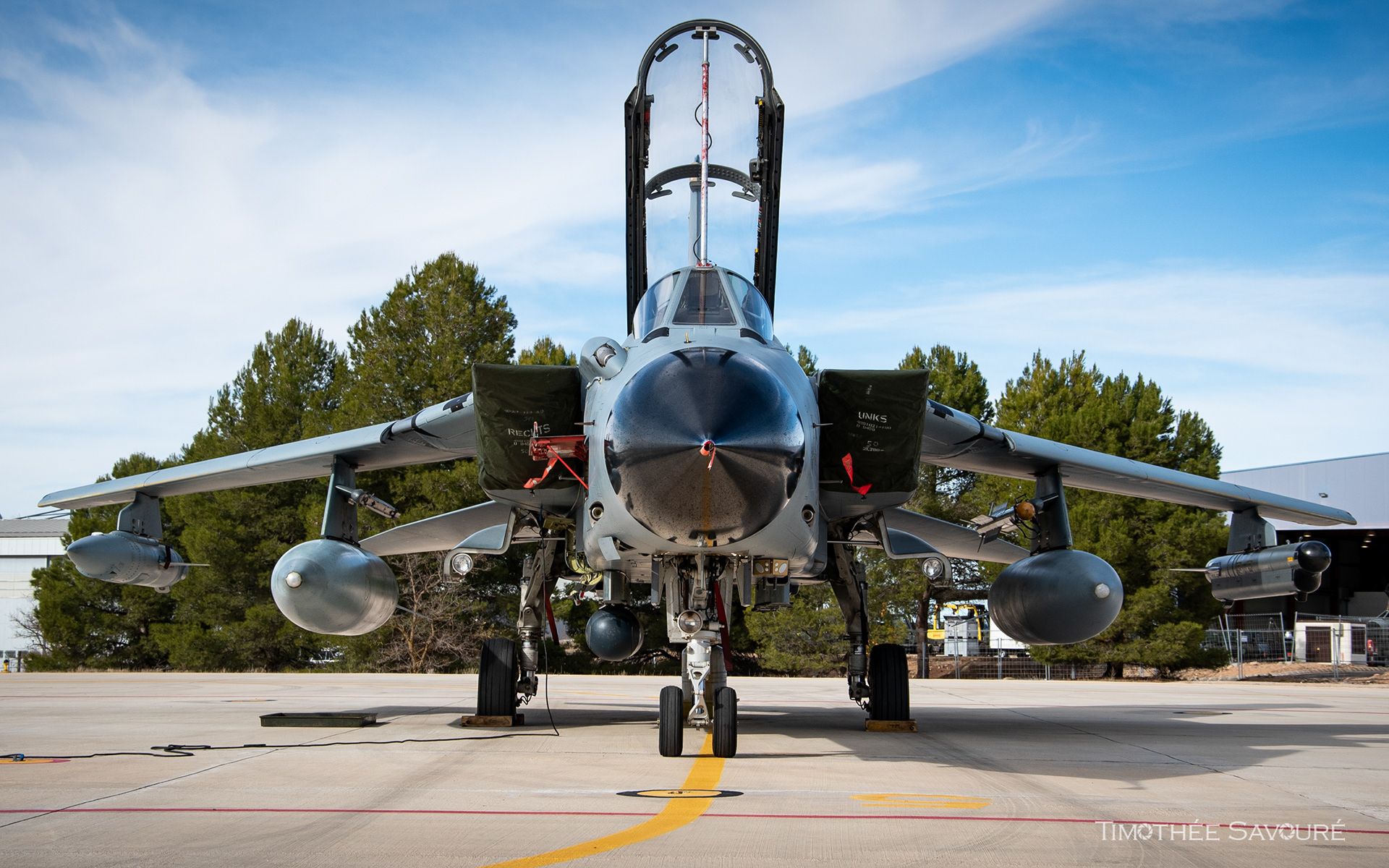
Luftwaffe Panavia Tornado IDS - TLG33