Seymour-Johnson AFB
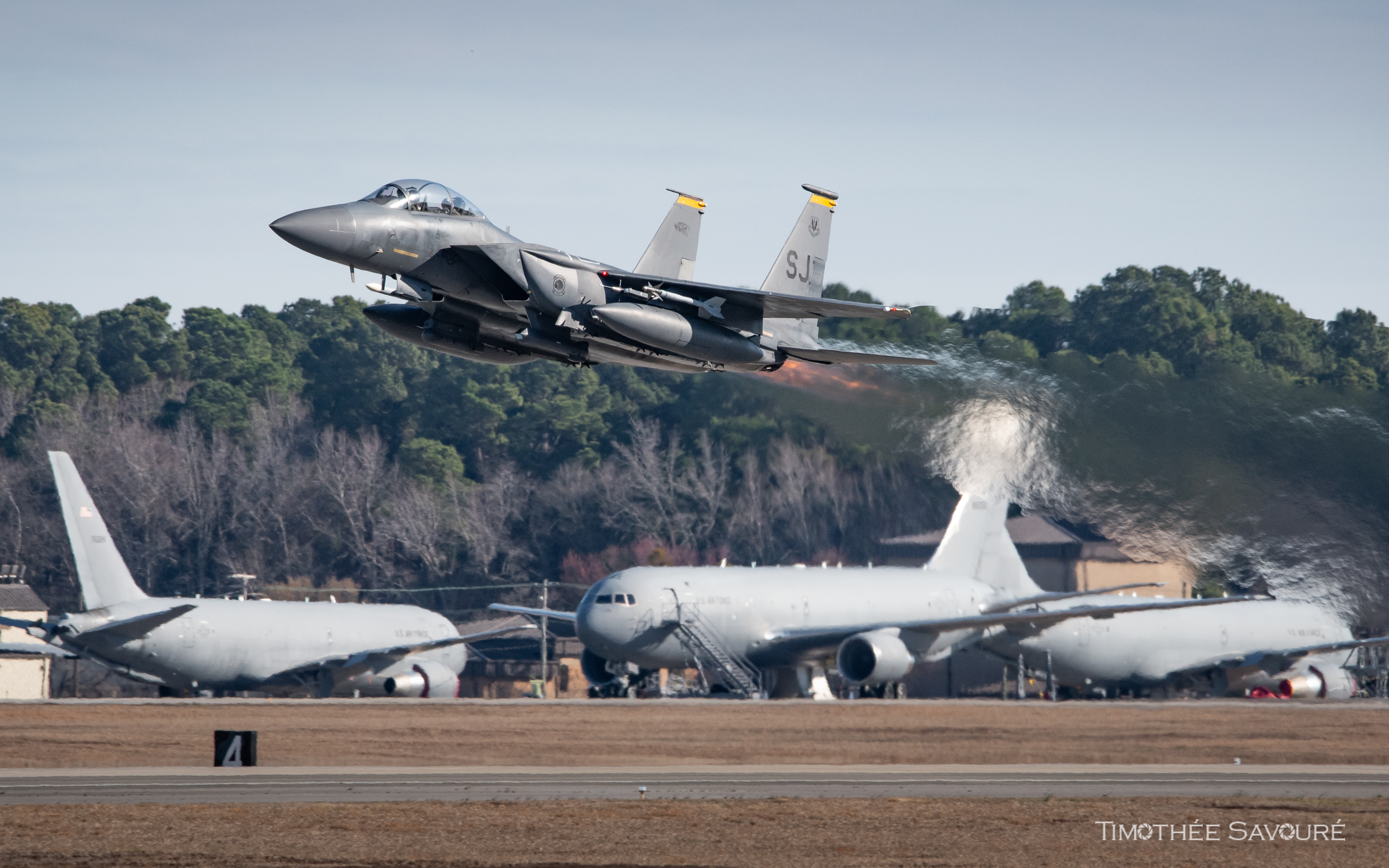
Located near Goldsboro in eastern North Carolina, Seymour Johnson Air Force Base is one of the most important tactical airpower hubs in the United States. Opened in 1942 during the Second World War, the base was originally created as a training field for Army Air Forces units. It was later named in honor of Navy test pilot Seymour A. Johnson, a North Carolina native killed in a 1941 crash. Over the decades, the installation evolved from a wartime training center into a premier fighter base of the U.S. Air Force. Since 1957, it has been home to the legendary 4th Fighter Wing, one of the most decorated fighter wings in American military history.
The 4th Fighter Wing traces its lineage to the famous Eagle Squadrons—American volunteer pilots who flew for Britain before the United States entered World War II. Later redesignated within the USAF, the unit distinguished itself in Europe, Korea, Vietnam, the Gulf War, Afghanistan, Iraq, and many expeditionary operations. Seymour Johnson became the first operational home of the McDonnell Douglas F-15E Strike Eagle in 1988–1991, cementing the base’s reputation as the center of American deep-strike fighter aviation. Today, Seymour Johnson hosts four combat-coded fighter squadrons equipped with the F-15E: the 333rd, 334th, 335th and 336th Fighter Squadrons. Together they form one of the largest concentrations of Strike Eagles in the world. These squadrons are often deployed overseas, especially during military operations involving the United States. At the time of our visit in February 2026, two squadrons were indeed deployed amid ongoing tensions in Iran.
The base also hosts the 916th Air Refueling Wing, which operates the Boeing KC-46A Pegasus, giving the installation both strike and tanker capabilities. In total, the base supports thousands of military personnel, civilians, contractors and family members, while its airfield and maintenance infrastructure sustain a high sortie rate and global deployment readiness.
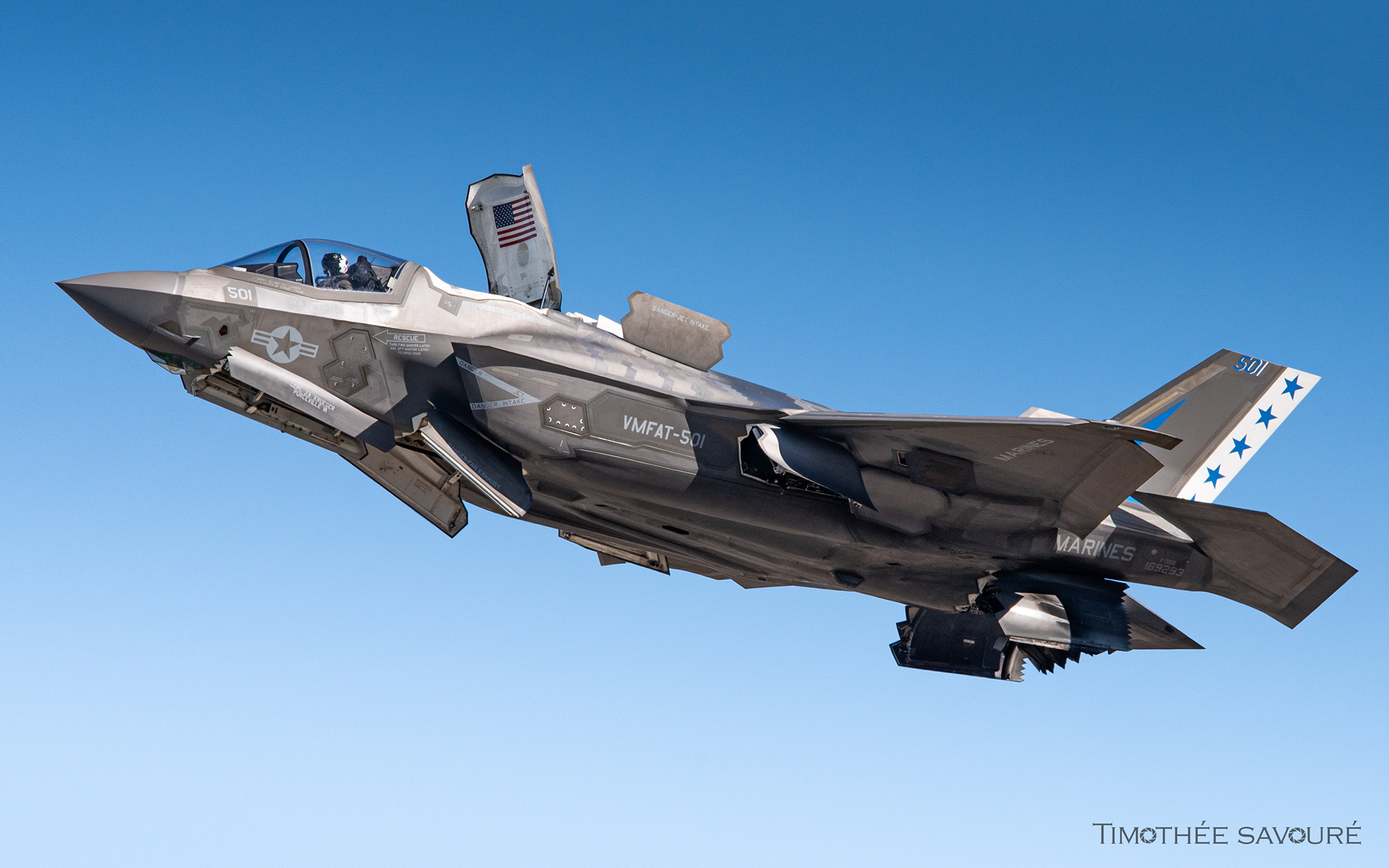
Strategically, Seymour Johnson’s location in North Carolina is ideal. It sits on the U.S. East Coast, within reach of Atlantic air routes, major ports, and rapid deployment corridors toward Europe, the Middle East, and Africa. It also benefits from access to extensive military training airspace over the southeastern United States and proximity to other key installations such as Marine Corps Air Station Cherry Point (home at the time of our visit of VMA-223 Bulldogs, the last Harrier Squadron), Fort Liberty, and Langley Air Force Base. This geography allows the wing to train jointly, deploy quickly, and integrate with naval and ground forces. During our visit, an F-35B Lightning II from MCAS Beaufort based VMFAT-501 performed a low approach, illustrating the close connexion between air arms in the region.
As for the future, Seymour Johnson is likely to remain a fighter base for quite a long time. The key question is which aircraft. The current F-15E fleet remains highly capable after radar, avionics and weapons upgrades, so it is expected to serve well into the 2030s, but the US Air Force is looking at their replacement in a few years. One possible successor would be the Boeing F-15EX Eagle II, which shares common lineage with the Strike Eagle and would fit the base’s maintenance expertise. Another possibility would be a transition to the Lockheed Martin F-35A Lightning II, although that would require major infrastructure and mission changes. A mixed future is also plausible: F-15Es retained for strike missions while newer aircraft assume air-superiority or stealth roles. No final decision has been publicly announced, but Seymour Johnson’s proven combat record, infrastructure, and strategic location make it highly likely to remain a frontline combat aviation center whatever platform comes next.
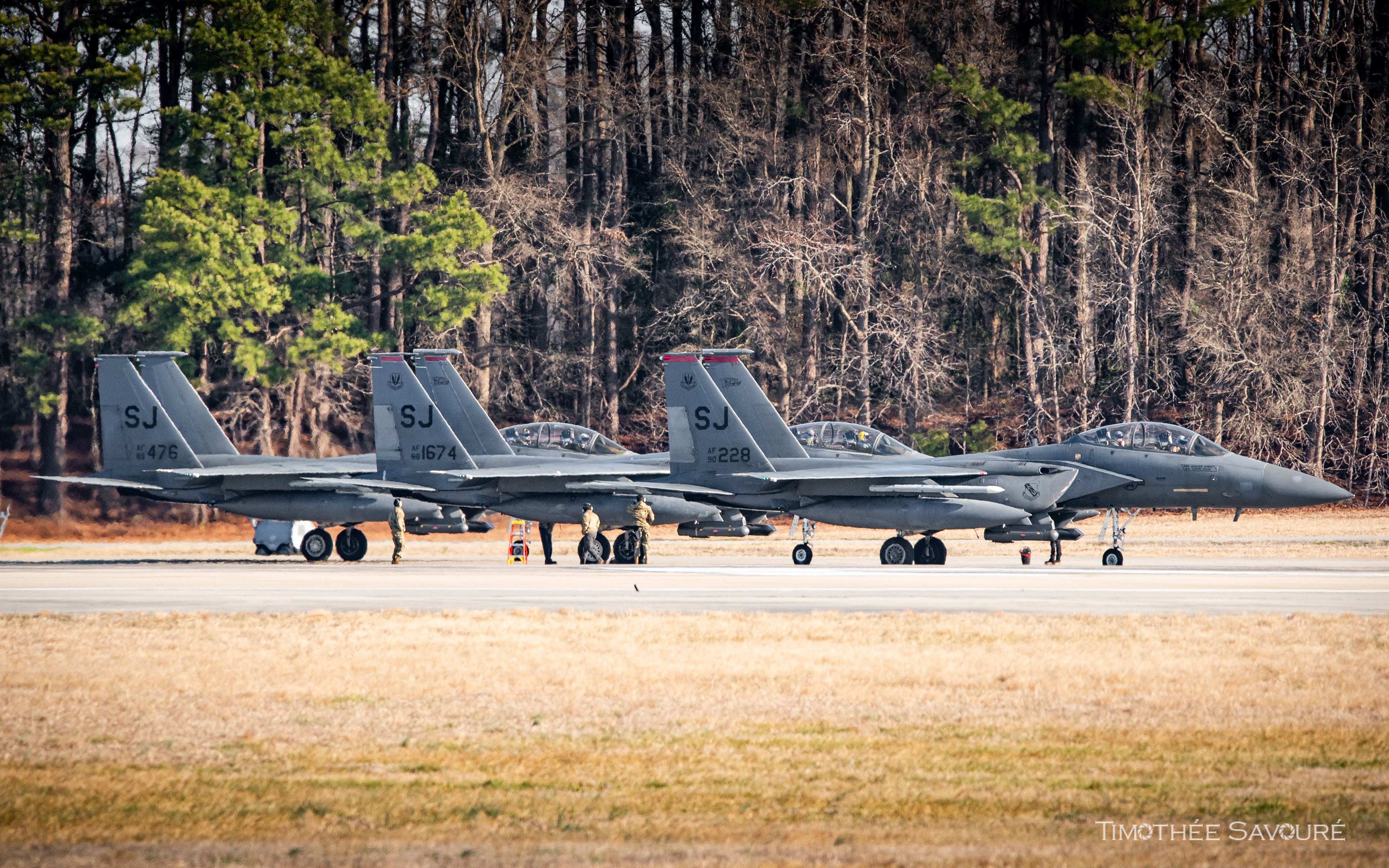
F-15E Strike Eagle | 336th Fighter Squadron 'The Rocketeers'
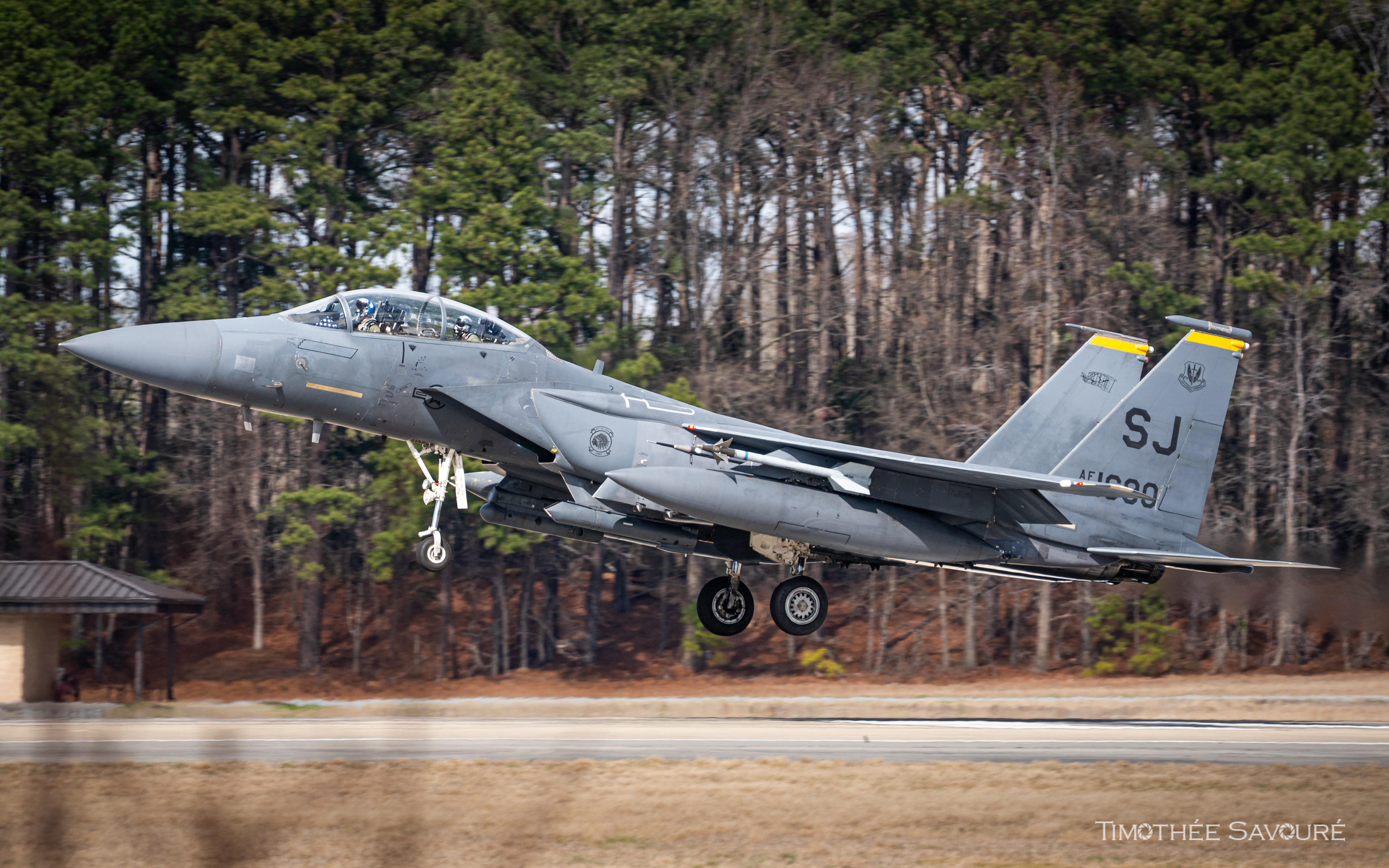
F-15E Strike Eagle | 335th Fighter Squadron 'Chiefs'
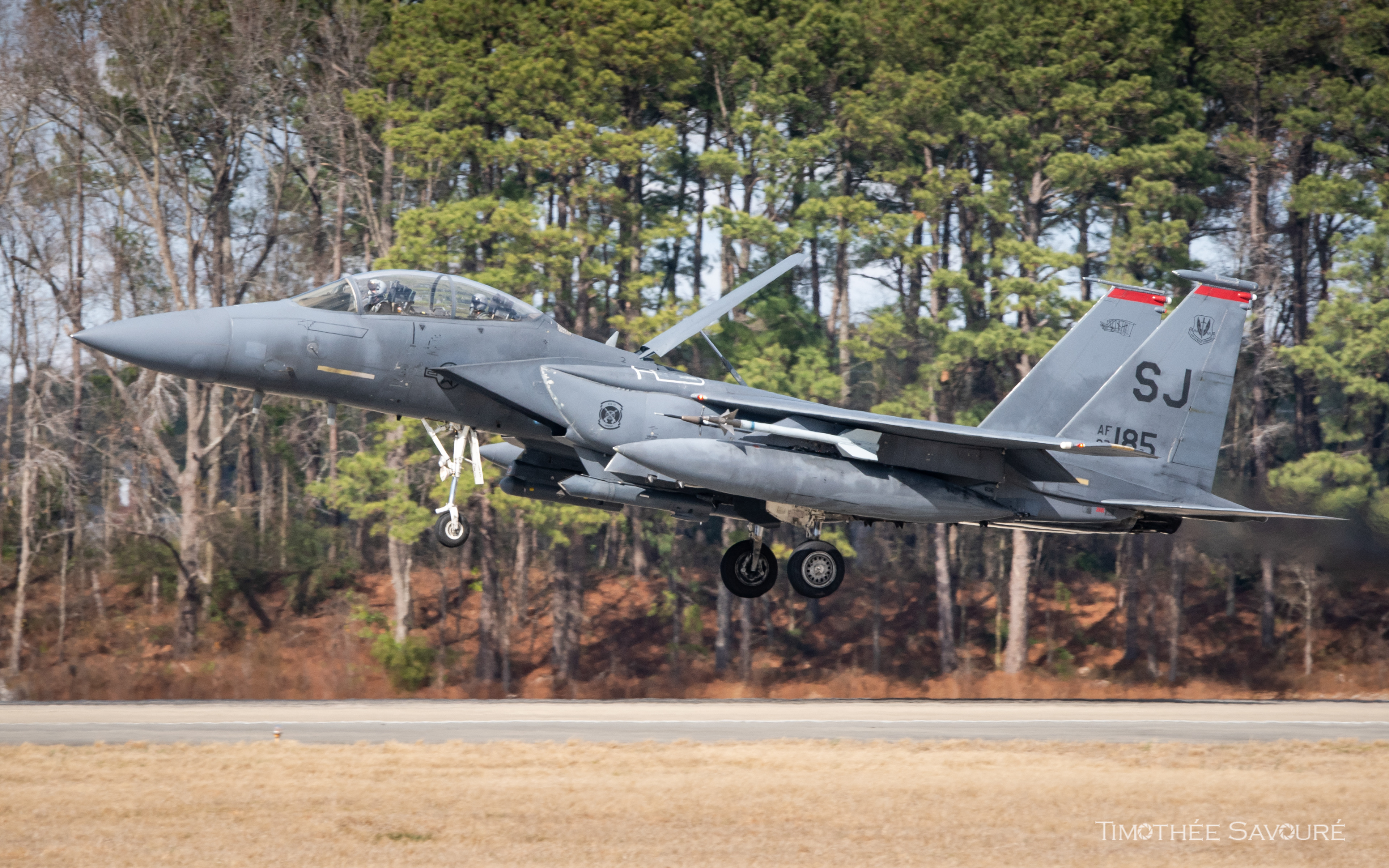
F-15E Strike Eagle | 333rd Fighter Squadron 'Lancers'
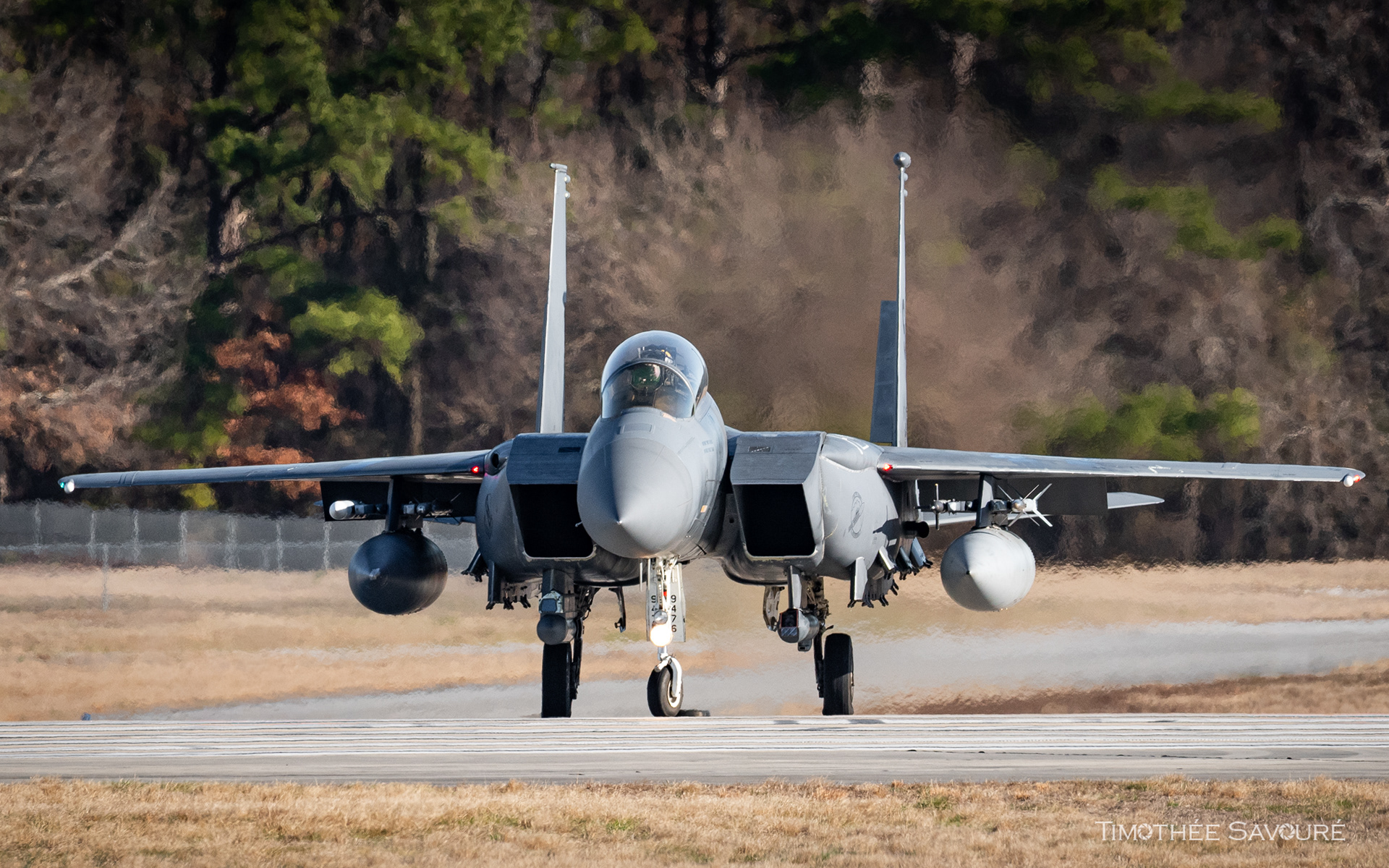
F-15E Strike Eagle | 336th Fighter Squadron 'The Rocketeers'
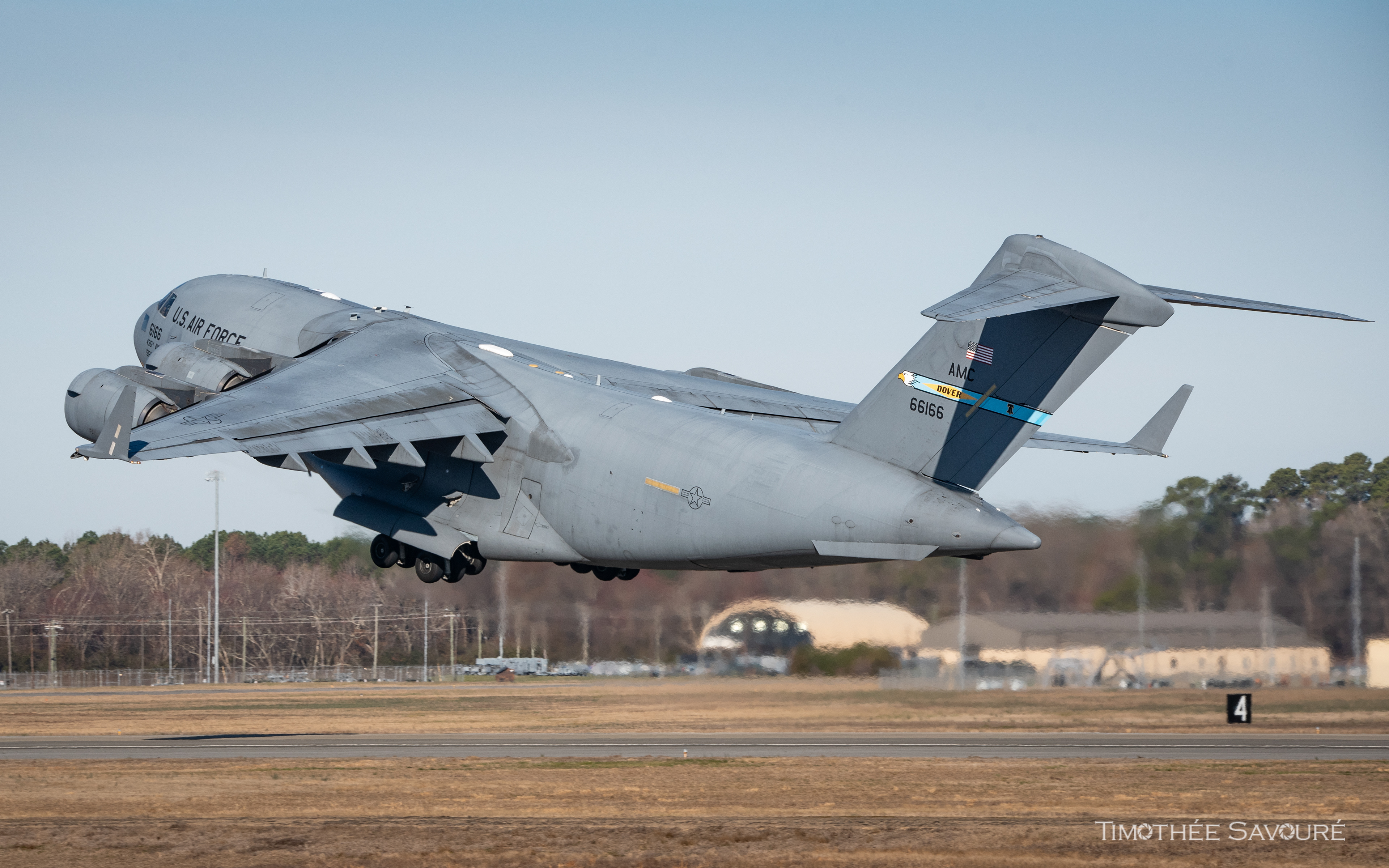
C-17A Globemaster III | 436th Airlift Wing
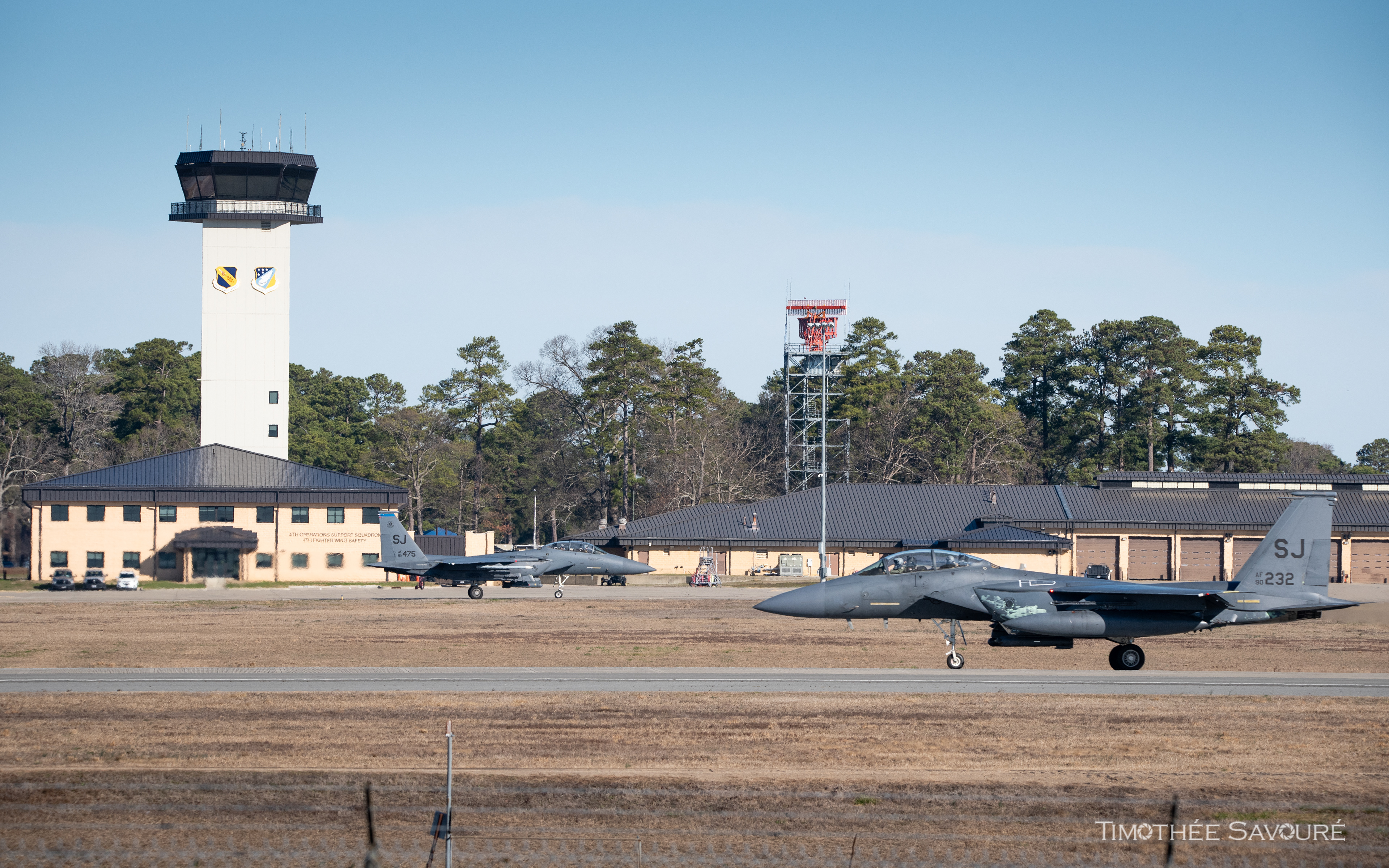
F-15E Strike Eagle | 4th Fighter Wing
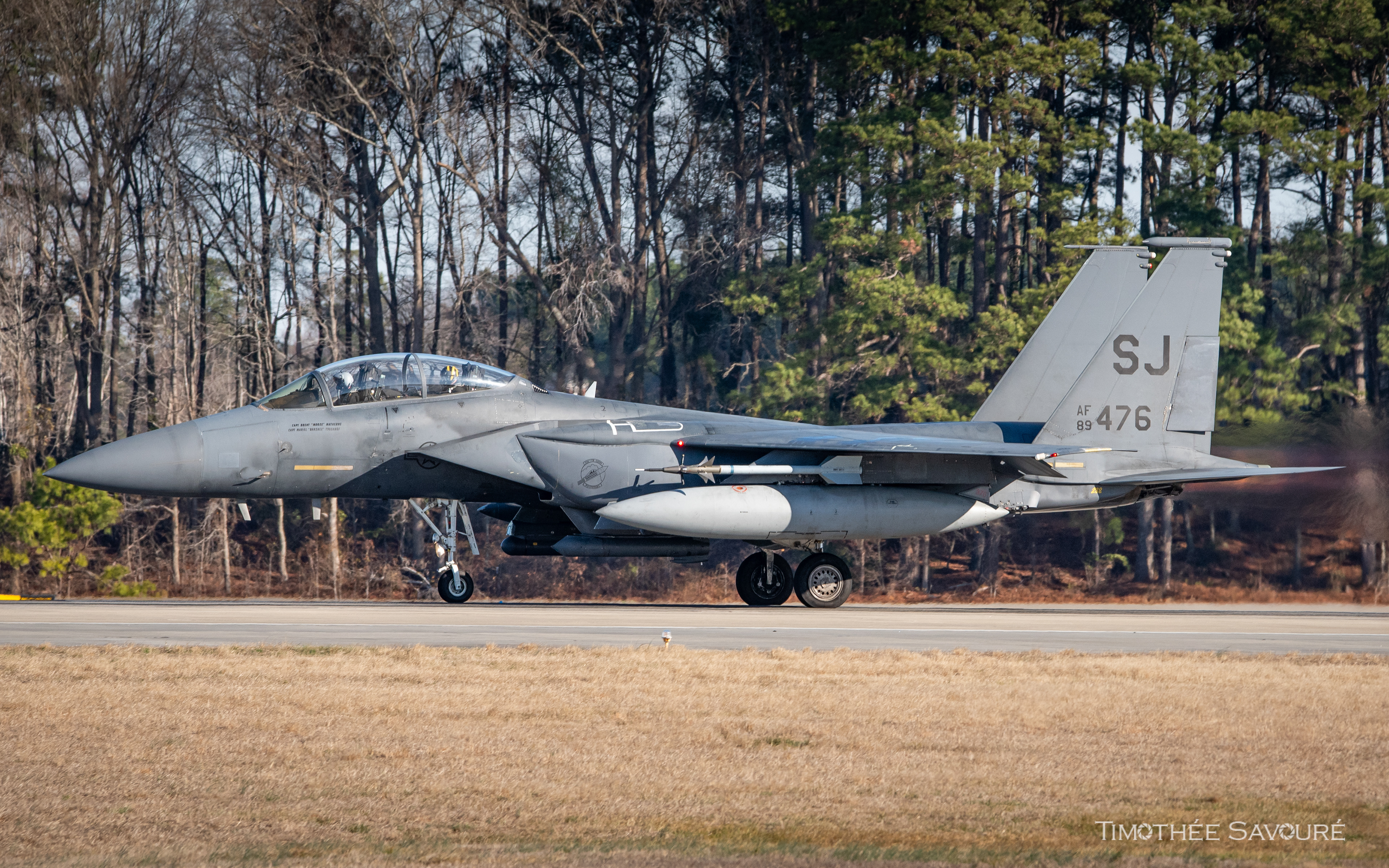
F-15E Strike Eagle | 336th Fighter Squadron 'The Rocketeers'
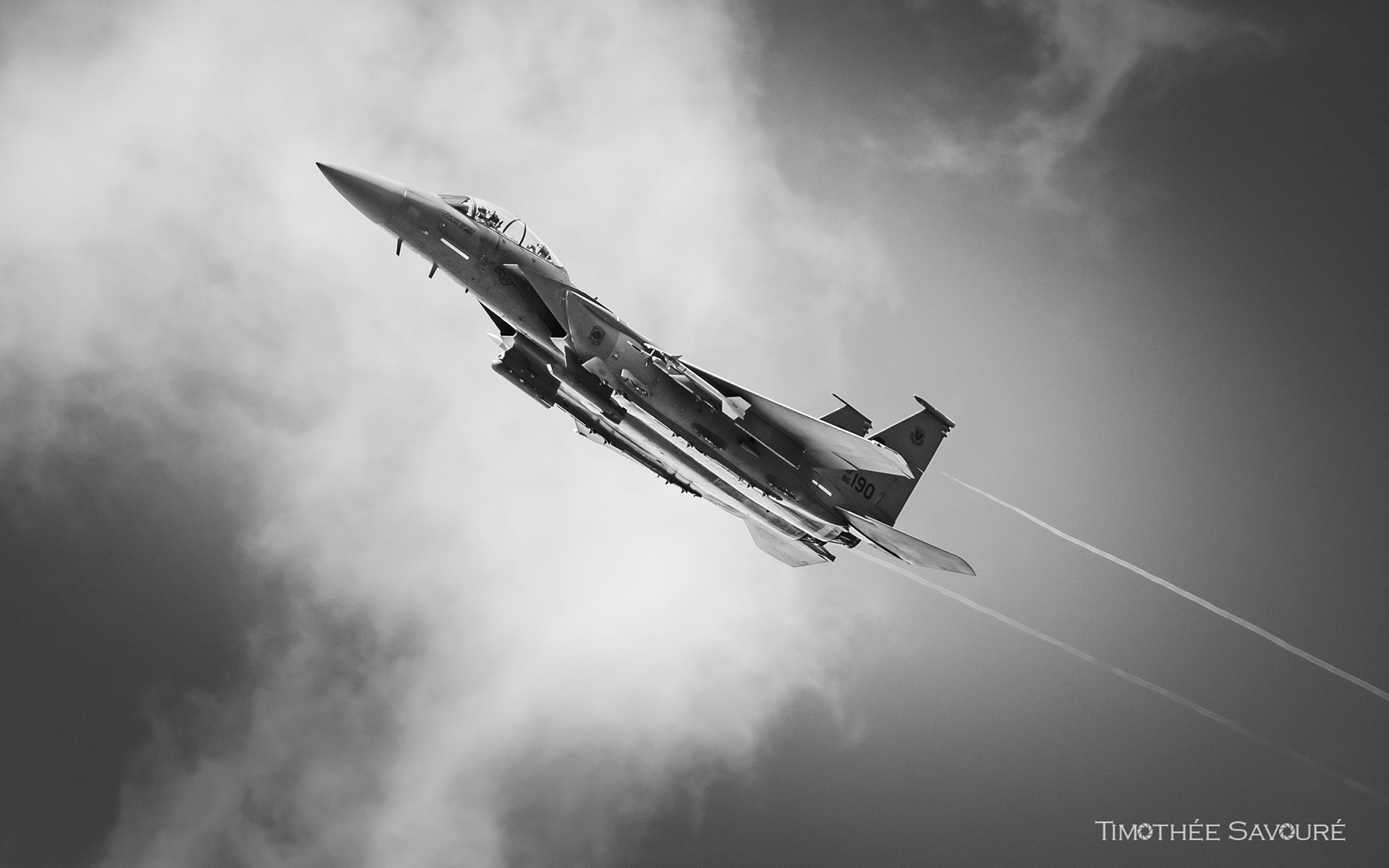
F-15E Strike Eagle | 335th Fighter Squadron 'Chiefs'
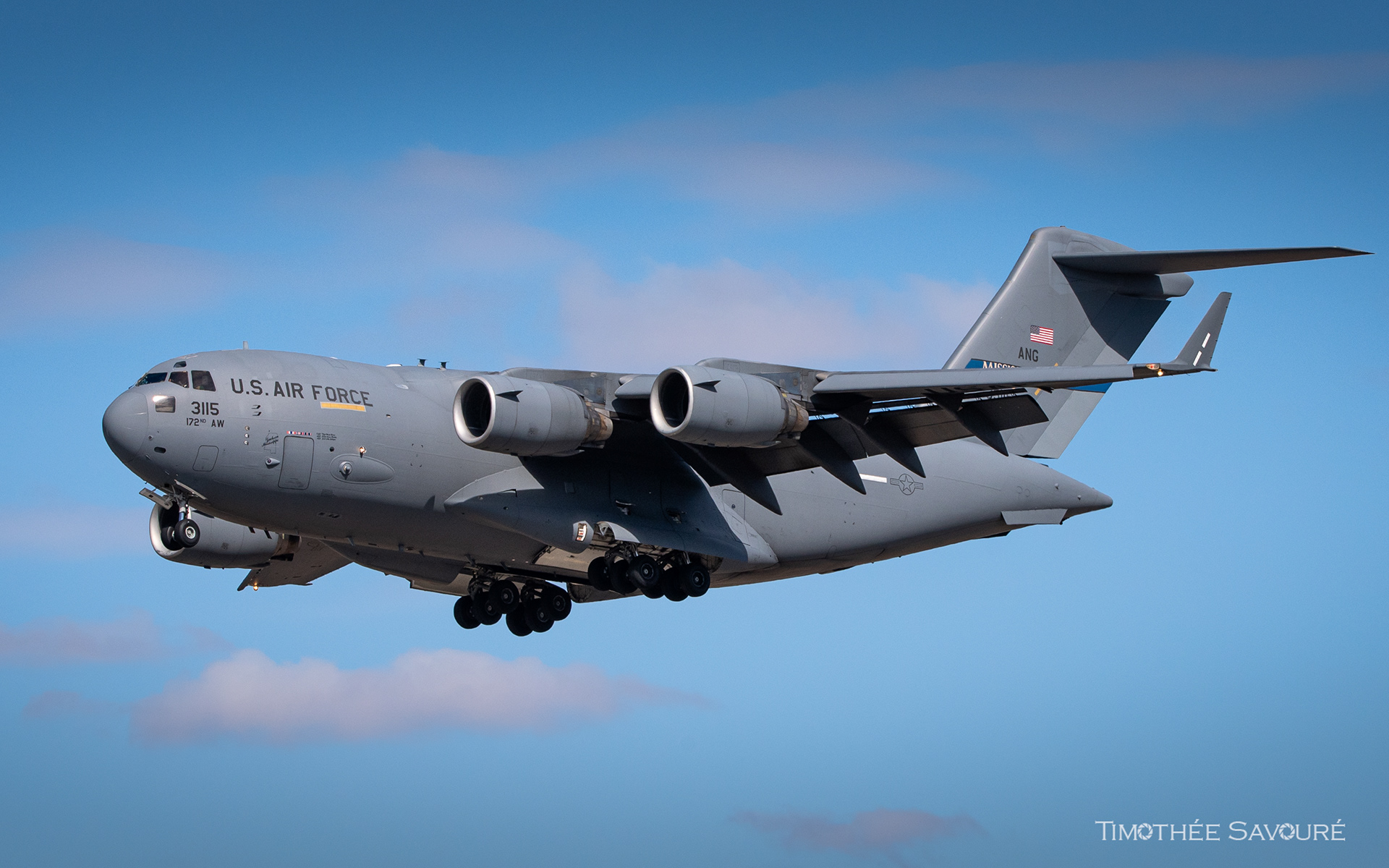
C-17A Globemaster III | 172nd Airlift Wing
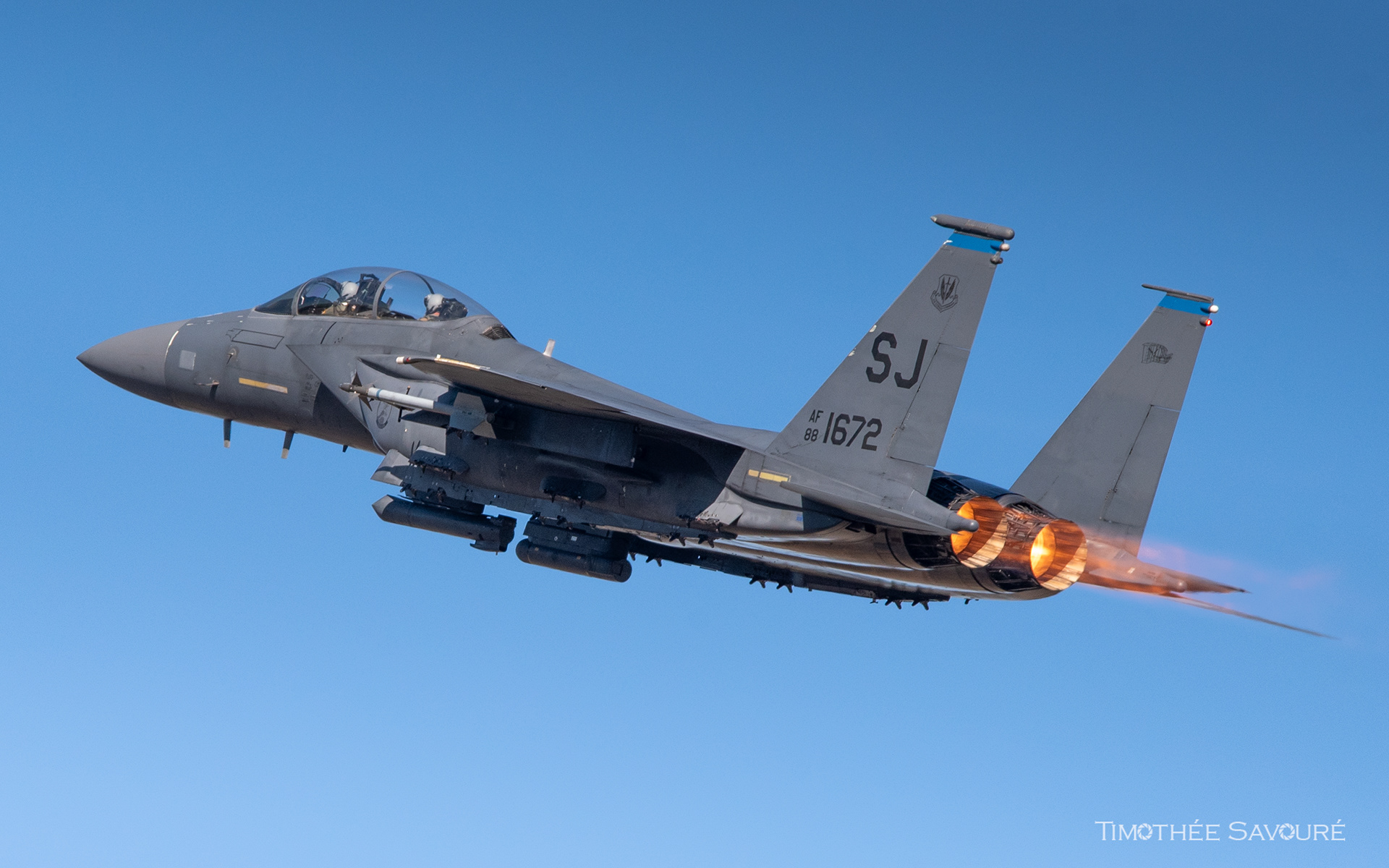
F-15E Strike Eagle | 334th Fighter Squadron 'Eagles'
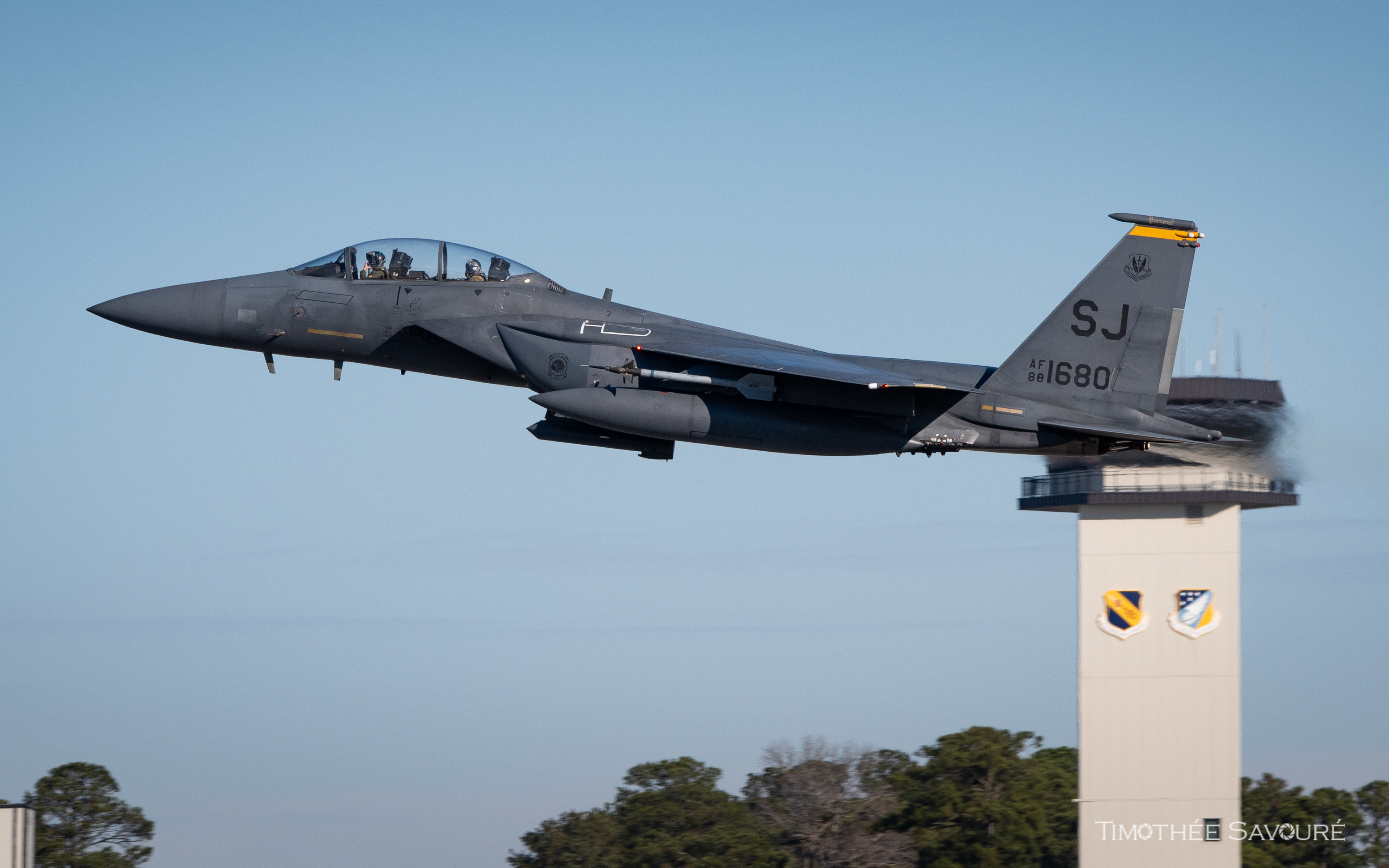
F-15E Strike Eagle | 335th Fighter Squadron 'Chiefs'
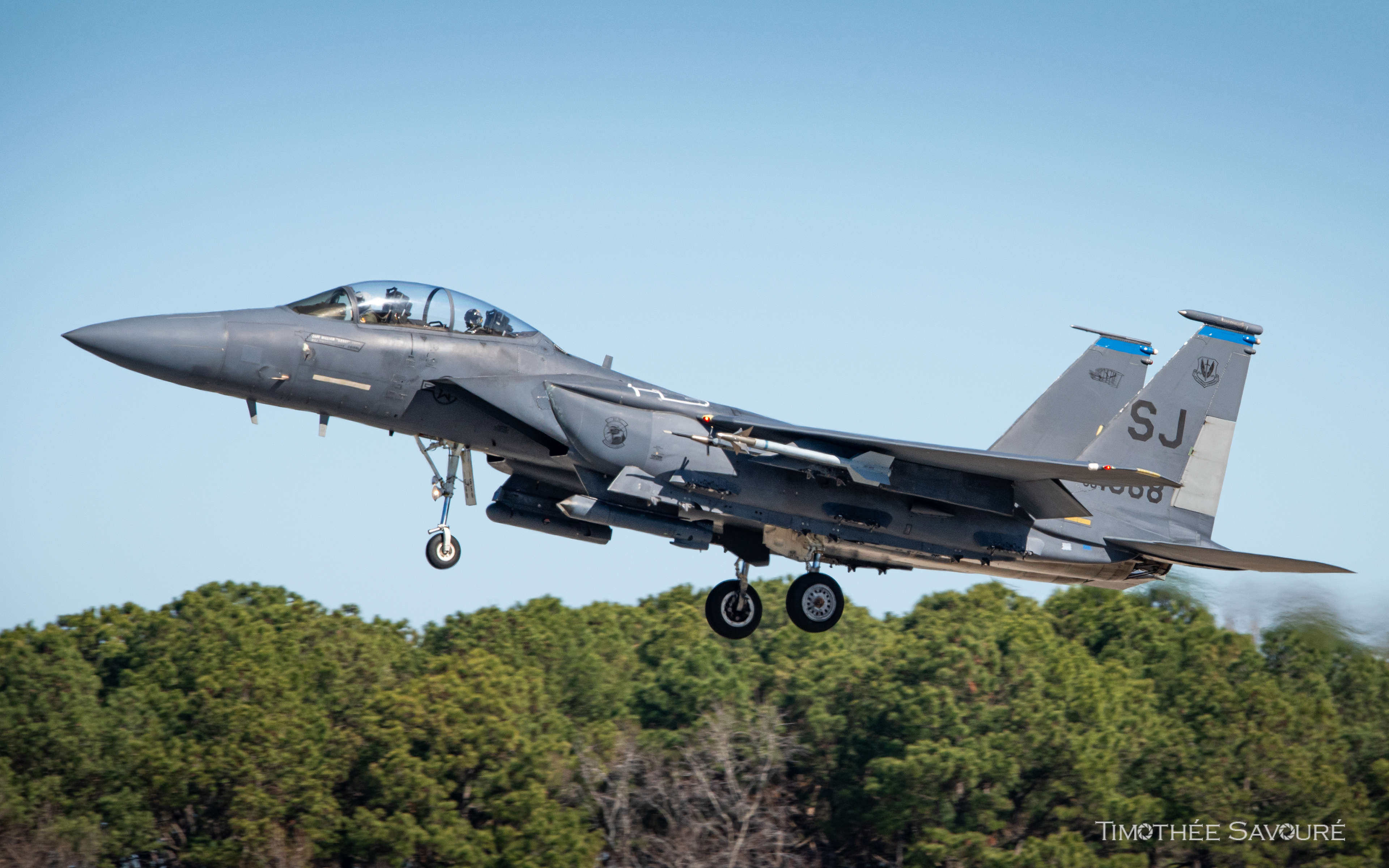
F-15E Strike Eagle | 334th Fighter Squadron 'Eagles'